
The Story
Why it exists.
The beginning
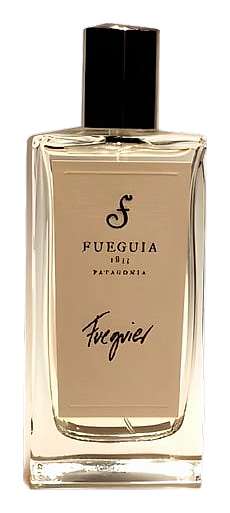
Fueguier belongs to the Linneo collection, Fueguia 1833's series dedicated to Carl Linnaeus, the 18th-century botanist whose systematic cataloguing of the natural world reshaped how humans understood plants. Where most fig fragrances pull from a Mediterranean fantasy of ripe fruit and cream, Julian Bedel approached fig as a field researcher might: through observation of the living plant, not a memory of eating it. The composition captures the green, slightly astringent quality of fig stems and leaves rather than the sweet flesh of the fruit itself. Petitgrain, bitter citrus from the leaves and twigs of the bitter orange, grounds the opening with an herbal sharpness that keeps the whole thing cool and grounded. It's fig as specimen, not fig as sentiment.
The structure is minimal by design: fig, musk, petitgrain. Three materials, three stages of an afternoon under a tree. What makes it work is the refusal to smooth the edges. Petitgrain's bitter, slightly tar-like quality cuts against the green softness of the fig, creating a tension that most fig fragrances resolve in favor of comfort. Here, the discomfort is the point, the moment before the day breaks open, when shade still feels like enough. Musk appears in the heart not as a fixative but as a softening agent, bridging the gap between the sharp opening and the quieter drydown where the petitgrain lingers longest.
The evolution
The opening hits bright and green. Fig leaf, not fig milk, there's an immediate sharpness that reads more like crushed stems than ripe fruit. That green bite stays for the first thirty minutes, held in check by petitgrain's bitter citrus edge. It's astringent in the way that good tea is astringent: drying, clean, slightly medicinal. Around the hour mark, the musk surfaces. Not animalic, this is a clean, skin-like musk that softens everything around it. The green notes don't disappear; they recede gradually, like afternoon shade shifting as the sun moves. Petitgrain leads the drydown, its bitter citrus-wood character lasting longest on skin. By hour eight or nine, what's left is a faint green warmth and the softest trace of musk, close to the skin, intimate, present the next morning if you're paying attention.
Cultural impact
The Linneo project is a curated collection named after Carl Linnaeus's classification system, offering a structured approach to fragrance that emphasizes the research methodology behind each scent. This three-note structure proposes that restraint can communicate depth, challenging the assumption that complexity alone equals quality. The green, austere fig interpretation emphasizes bitter and herbaceous qualities over sweet creaminess, providing an alternative to more conventional lactonic approaches.