The Story
Why it exists.
The beginning
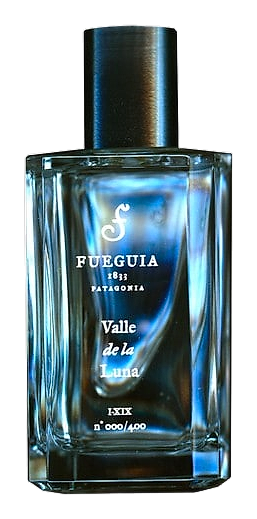
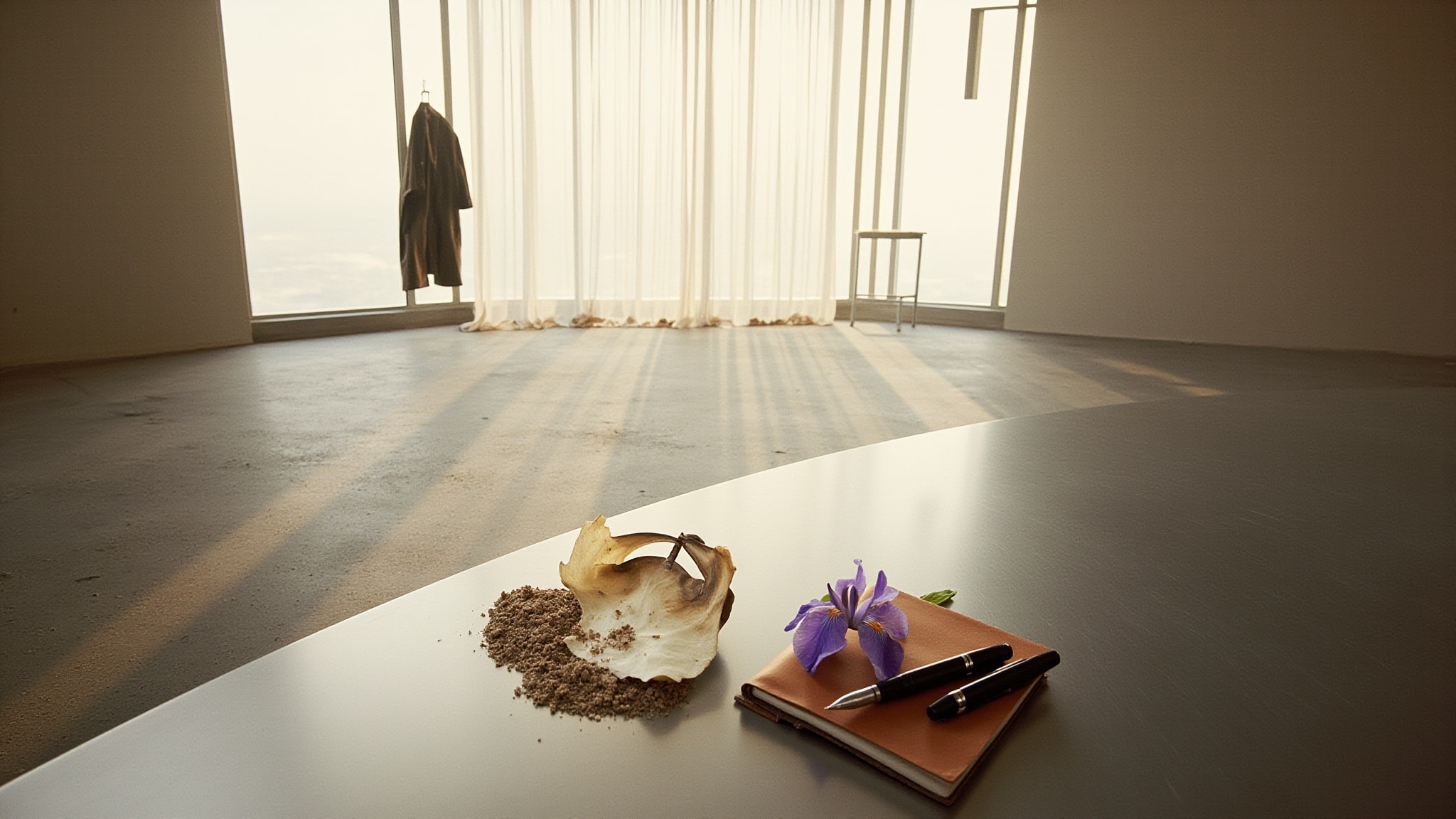
Valle de la Luna was built around a single contradiction: a violet iris growing in arid lunar soil. Julian Bedel, the nose behind Fueguia 1833, treats fragrance as botanical research, each scent a dispatch from places where life persists against all reason. The Destinos collection maps those territories. This fragrance is one of them.
The Destinos collection explores contrasts, unlikely species in hostile terrain. Valle de la Luna takes that concept and commits to it fully: three notes, nothing superfluous. Iris brings violet and that unmistakable powder quality, cool, almost mineral, not quite floral. Sandalwood anchors it with warmth and cream, preventing austerity. The amber base doesn't announce itself so much as settle, the warmth you notice when you lift your wrist hours later. What could read as minimal instead reads as intentional. Every note earns its place.
The evolution
The opening hits fast, violet and powdery iris arrive before you've finished applying, with the earthiness and warm spice of amber establishing the terrain in the first minutes. By hour one, sandalwood has taken over as the true protagonist. Creamy, warm, and dominant, it carries the next several hours as the iris recedes like a memory of the top notes. The drydown doesn't announce itself, it accumulates. The amber warmth becomes skin-warm rather than applied, the sandalwood develops a quiet intimacy, and the entire composition settles into something you stop noticing because it has become part of you. Moderate sillage throughout. The second day, it smells almost more like you than like itself.
Cultural impact
Valle de la Luna channels the stark beauty of the Patagonian steppe where delicate life persists against hostile conditions. The fragrance's philosophy of botanical research explores how materials survive in extreme environments. The name itself invokes the Valley of the Moon, referencing lunar terrain and desert belonging to another world, a place where life persists in unexpected places. This sparse construction mirrors the brand's philosophy: minimal ingredients with significant impact, a deliberate restraint that speaks to the landscape that inspired it.
The House
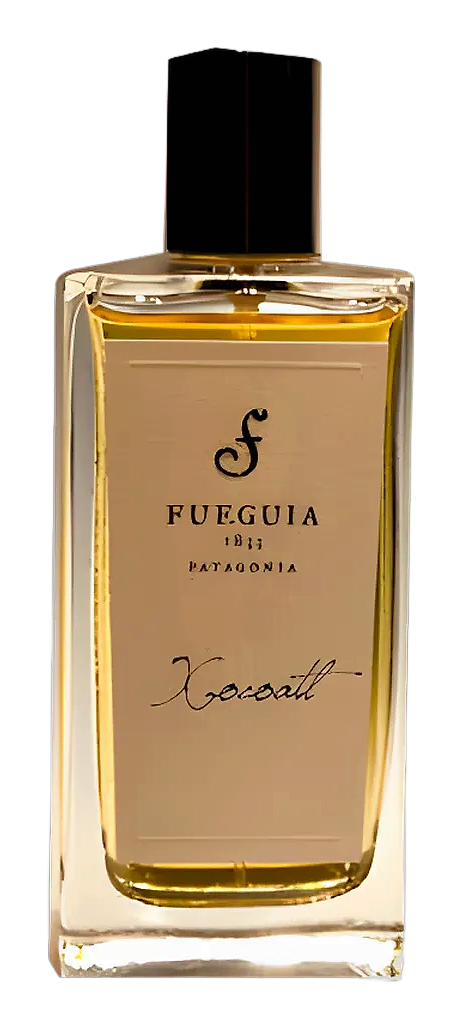
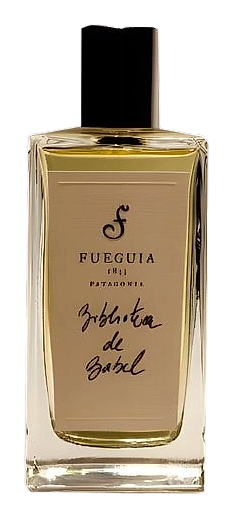
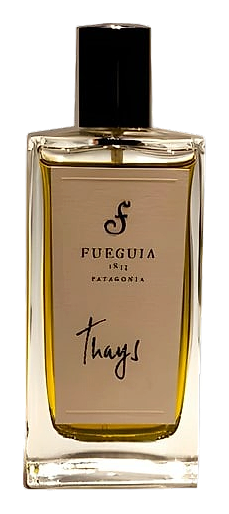
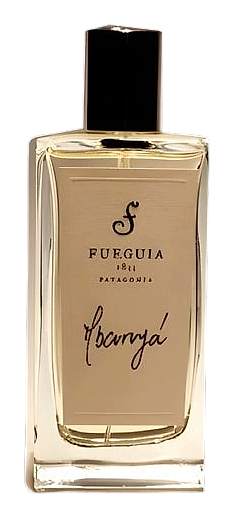
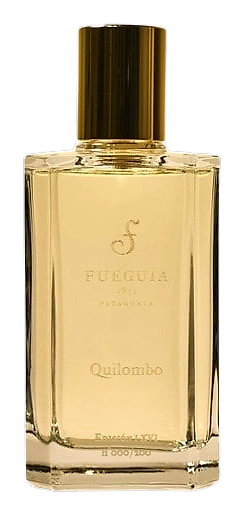
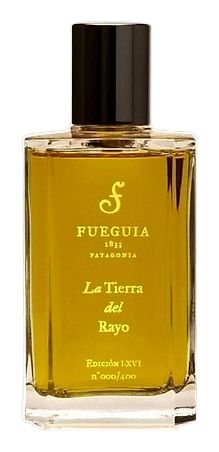
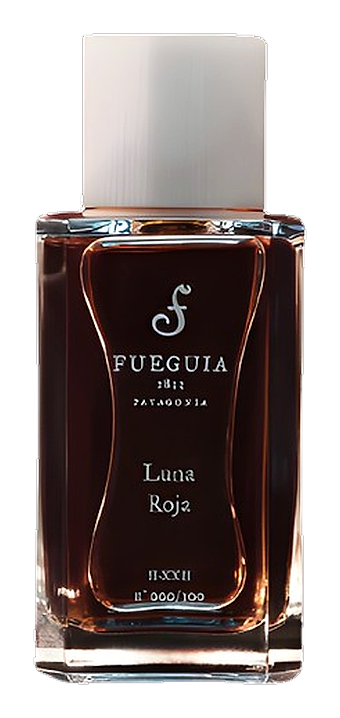
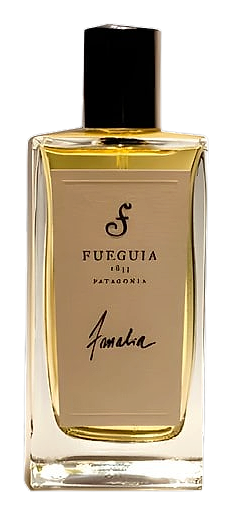
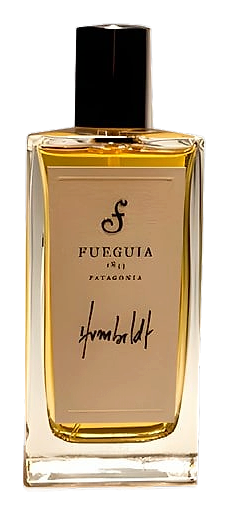
Fueguia 1833Fueguia 1833 is an Argentine fragrance house that creates limited‑edition scents rooted in the botanical heritage of Patagonia. Each perfume draws on medicinal plants harvested from the region’s wild landscapes, and the brand presents its creations as vintage‑style bottles that evoke a sense of travel and memory. The house operates a vertically integrated supply chain, growing, extracting and bottling its own raw materials, which allows it to maintain tight control over quality and environmental impact. Its collections, such as Rosa de los Vientos (2018) and Oud Jungle (2022), have attracted collectors who value authenticity and a narrative that links scent to place.
The Creator
Julian BedelJulian favors a palette that mixes rare South American botanicals with classic European absolutes. He often extracts essential oils from medicinal herbs such as catuaba, calafate and patagonian tea, then anchors them with ambergris, cedar and fine musks.