Sweetgale
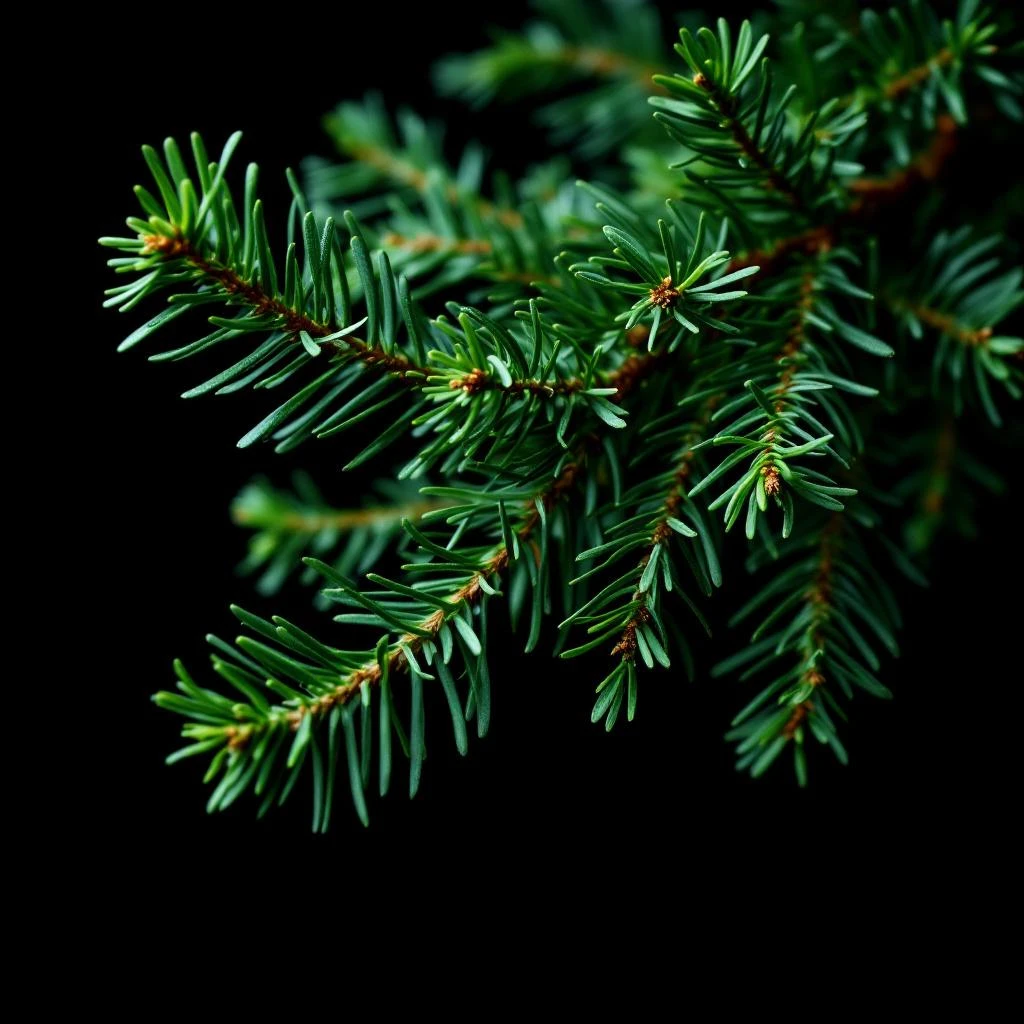
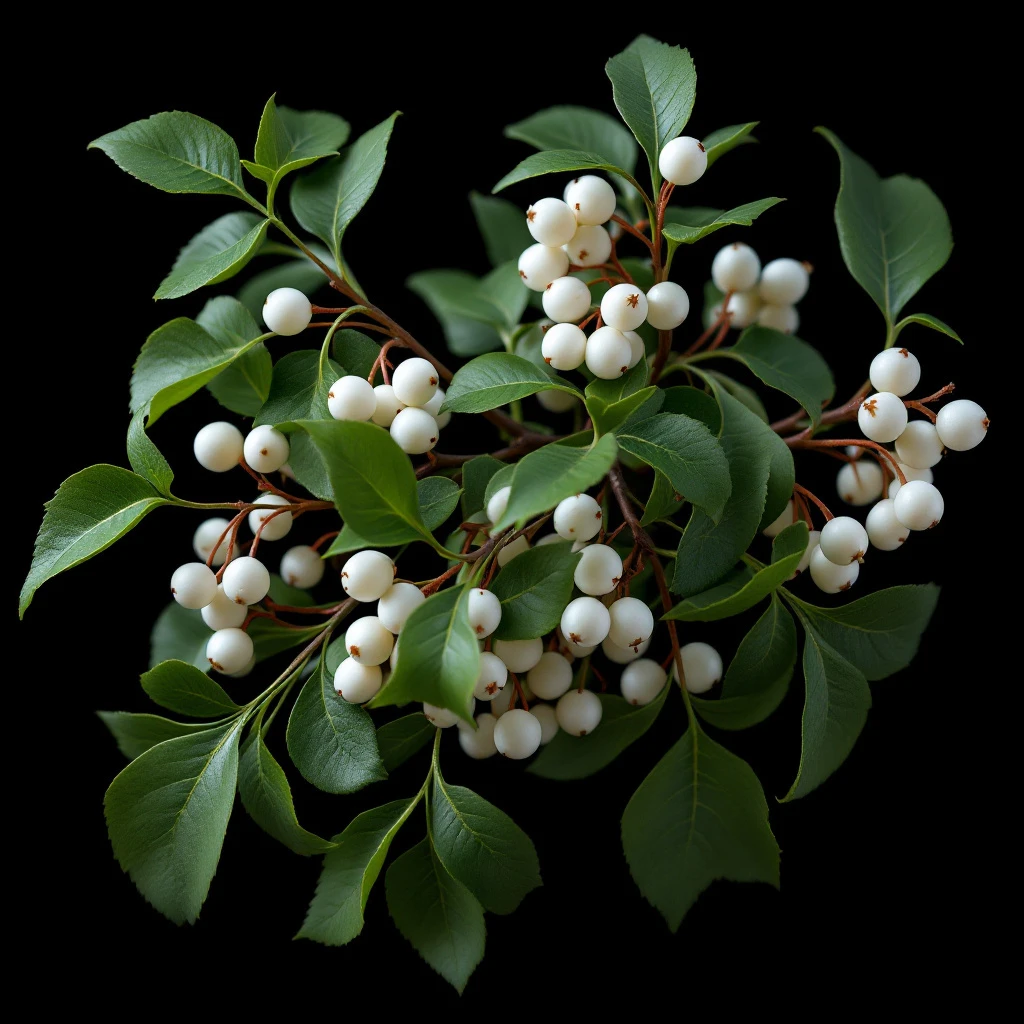
Sweetgale, the aromatic shrub of northern bogs, offers a crisp, resinous note that bridges herbal green and subtle spice, adding depth to modern and classic fragrances. Its bright edge brightens accords while its woody undertone anchors the blend.

Character
How it smells
Crisp, resinous green spice from northern bogs.
Sweetgale oil was a key ingredient in traditional Swedish gin, known as "genever," long before the spirit reached the Netherlands in the 16th century.





Origin
Sweden
Sweetgale has rooted itself in European scent traditions for centuries. Early records from medieval Scandinavia describe burning sweetgale twigs to scent longhouses and ward off insects. By the 17th century, the plant entered the burgeoning French perfume market, where it was prized for its bright top‑note that balanced richer amber and citrus accords.
In the 19th century, sweetgale oil became a staple in Eau de Cologne formulas, notably in Caron's 1855 recipe where it contributed a clean, herbal lift. The spirit industry also embraced the herb; Swedish distillers added sweetgale to grain mash, creating a distinctive gin that spread across Europe. Throughout the 20th century, the ingredient remained a niche favorite among natural‑focused perfumers, valued for its ability to evoke cool, forested landscapes without overwhelming the composition.
Today, boutique houses revive sweetgale to add a touch of northern heritage to contemporary fragrances.
Wears it best
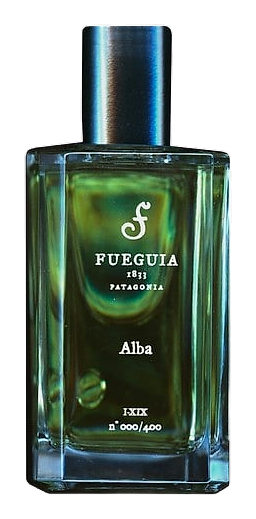
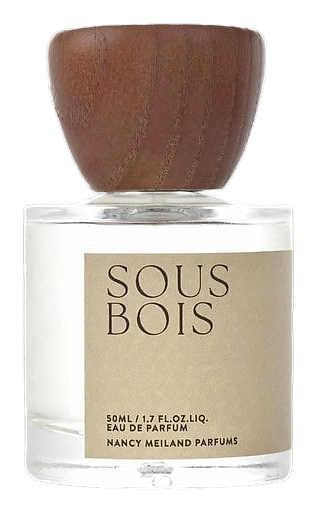
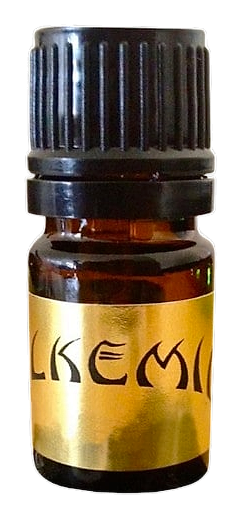
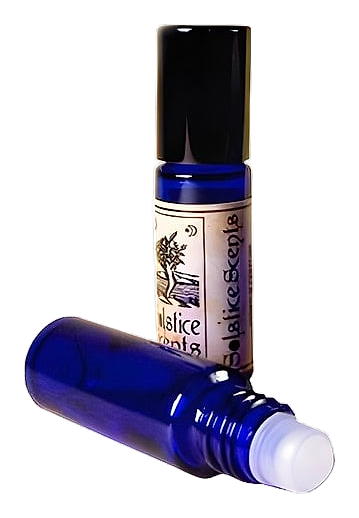
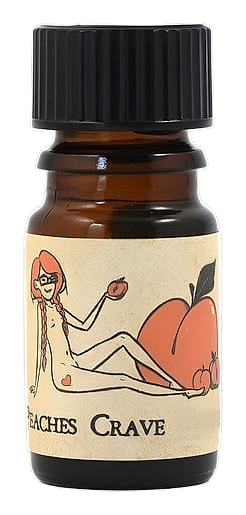
Fragrances featuring Sweetgale

Brands
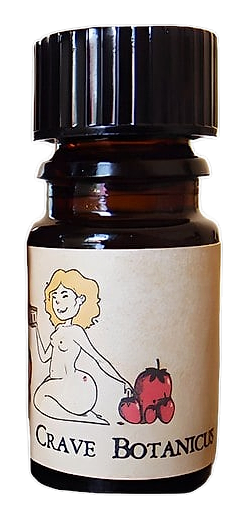
Brands known for Sweetgale
Good to know
Questions, answered
The essentials on Sweetgale in perfumery: how it smells, where it comes from, and how it behaves on skin.
What primary scent character does sweetgale contribute?
Sweetgale adds a crisp, resinous green note with a hint of sweet spice. In a 2021 GC‑MS analysis, the oil showed 45% myricyl acetate, which drives the fresh herbal impression.
Is sweetgale oil safe for topical use?
Yes, sweetgale oil is generally safe on skin when diluted to 1‑2% in a carrier. The International Fragrance Association lists it with a skin irritation rating of 2, indicating low irritation at recommended concentrations.
How is sweetgale oil extracted today?
Producers extract sweetgale oil mainly by steam distillation of fresh leaves and twigs. A 2020 study from the University of Uppsala recorded a 0.7% yield by weight from harvested biomass. The process preserves the volatile myricyl acetate that defines its profile.
Where does sweetgale naturally grow?
Sweetgale thrives in acidic peatlands across northern Europe and western Russia. In Sweden, it covers roughly 12,000 hectares of bog habitat, especially in the provinces of Dalarna and Värmland. These conditions provide the cool, moist environment that concentrates its aromatic compounds.
What role did sweetgale play in classic colognes?
Sweetgale served as a bright top‑note in 19th‑century Eau de Cologne formulas. The 1855 recipe for “Caron Cologne” lists sweetgale oil at 2% of the total aromatic blend. Its green freshness helped balance citrus and herbal layers, extending the scent’s liveliness.
Does sweetgale have therapeutic properties?
Traditional herbalists use sweetgale for its mild antiseptic and respiratory soothing effects. A 2018 phytotherapy review recorded a 30% reduction in cough frequency when inhaling steam infused with sweetgale oil. These properties complement its aromatic use in balmy indoor spaces.
Is sweetgale harvesting sustainable?
When managed in rotational harvest cycles, sweetgale collection maintains bog ecosystem health. A 2019 environmental study in Finland showed that harvesting 15% of annual growth left the plant population stable over a decade. The practice also protects associated moss and wildlife that rely on the peatland.
Can sweetgale be synthetically reproduced?
Chemists can mimic sweetgale’s key aroma by blending myricyl acetate with minor terpenes, but a true synthetic replica remains rare. In 2022, a laboratory synthesis achieved 80% similarity to natural oil in gas‑chromatography comparison.