
The Story
Why it exists.
The beginning
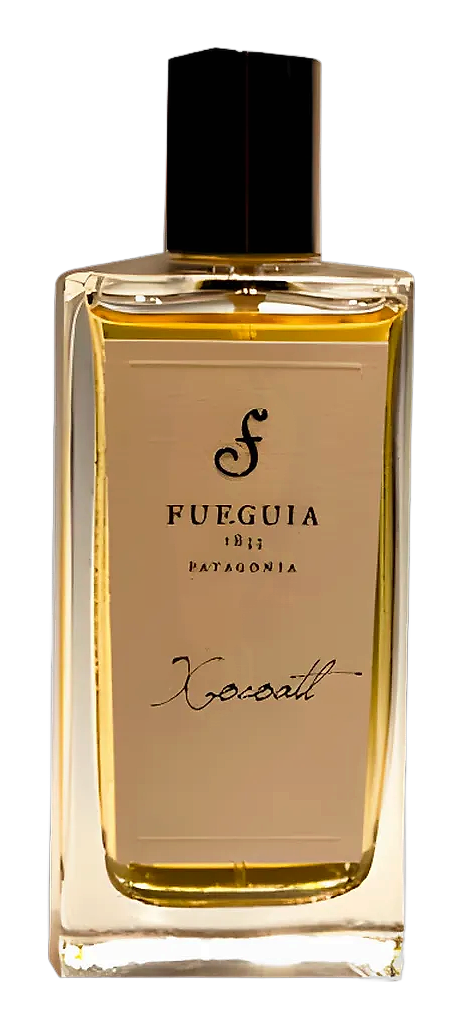
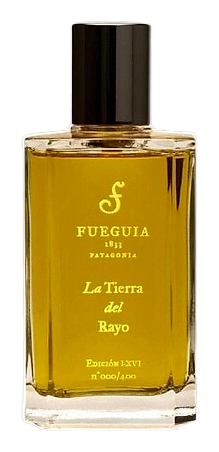
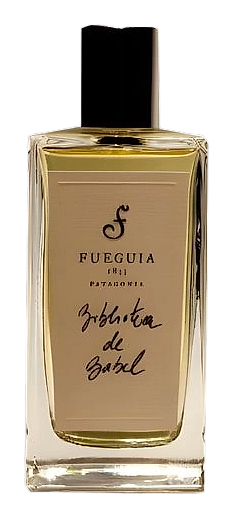
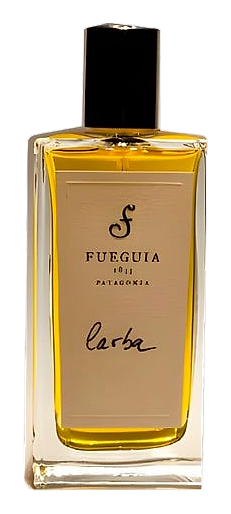
Caoba launched in 2010 as part of Fueguia 1833's Linneo collection, a series dedicated to Carl Linnaeus and the practice of botanical classification. The name translates to mahogany, and Julian Bedel built the composition around the image of an antique Indian box, sealed for decades, that releases a bolt of patchouli-soaked silk the moment it opens. Caoba was among the first statements of his approach to working with raw, specific materials rather than abstract moods. The composition treats patchouli not as a tired reference but as a serious aromatic material to study on its own terms, flanked by cacao pod and grounded in ambergris to keep it from floating away into incense shop territory. Mahogany itself never appears as a note. The Linneo framing matters here.
What makes Caoba interesting is its restraint. No citrus sparkle to seduce you at the door, no vanilla or tonka to soften the landing. Patchouli leads, cacao pod sits at the center, and ambergris anchors everything in a saline, animalic undertone that keeps the sweetness from going gourmand. The patchouli here behaves differently than in most fragrances. It arrives without the usual softening agents, no rose to round it, no bergamot to brighten it, no sugar to mask what is a notoriously difficult green-brown earth note.
The evolution
The first thirty minutes are almost aggressive. Patchouli arrives dark, green, slightly bitter, the way the note smells in its raw form before it's been smoothed for commercial wear. There is a cool, almost mentholated edge that hits the nose with an unexpected freshness before settling into something denser and darker. The opening reads like walking into a damp space where leaves have been stored for months, the air thick with green, just-rotting plant matter. Cacao enters within the first hour, not as chocolate milk but as the bitter, almost savory smell of cacao pod husks, dry and faintly dusty. It threads into the patchouli rather than sitting on top, turning the composition warmer without making it sweeter. The two notes share a bitterness that ties them together without ever resolving into anything edible. You smell earth, you smell roast, you smell bark, you don't smell dessert.
Cultural impact
Caoba sits within Fueguia 1833's Linneo collection, a series that frames each release as a study of a specific botanical material rather than a lifestyle statement. The fragrance occupies an unusual position in the patchouli conversation. Most compositions that feature patchouli as a lead note soften it, sweeten it, or surround it with florals and citrus to make it more approachable. Caoba does none of those things. It presents patchouli as a complex, almost architectural material, supported by cacao pod and ambergris in a structure that rewards attention.