The Story
Why it exists.
The beginning
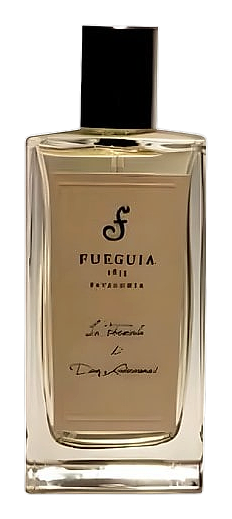
Don Giovanni was born from a collaboration between Julian Bedel and Italian theater director Filippo Timi, commissioned for an operatic production. Bedel had already established himself through years of botanical and ethnobotanical work, but this project pulled him somewhere different: into the psychology of desire, rendered through scent. The result is a composition that treats seduction as a studied gesture, not an accident. Named for the legendary Spanish libertine of opera and literature, the fragrance leans into its namesake's signature move: turning around to look, with that incidental grace that makes the whole room rearrange itself. The cologne opens with a civet-driven warmth that feels almost tactile on skin, an immediate presence that doesn't ask permission.
Thirty-two musks. That number alone signals intent. Most fragrances lean on a single musk molecule or maybe two. Bedel stacked thirty-two, layering clean and dirty, animalic and powdery, until the musk stopped reading as a base note and started behaving like an atmosphere. Jasmine and tuberose anchor the florals, but the musk architecture is what makes Don Giovanni feel less like a perfume and more like a presence. It is a technical flex disguised as effortless seduction.
The evolution
The civet arrives first, unapologetic and warm, almost furry on skin. Within minutes the white florals push forward, jasmine folding into tuberose with a creamy, indolic sweetness that never tips into soap. The musk layer, all thirty-two of them, hums underneath the entire arc. As the first hour passes, the animalic heat recedes slowly, leaving the florals dusted with something powdery and ambered. The drydown is where the civet returns, quieter now, blended so deeply into the musk that it reads as warmth rather than as a note. The musk architecture holds for hours after the florals have faded. Each phase carries its own density, from the dense animalic opening to the lifted cream of the white florals, then into the powdery hush that settles in the late afternoon.
Cultural impact
Don Giovanni sits within Fueguia's Personajes collection, a series that translates literary and operatic characters into scent. The collaboration with theater director Filippo Timi gave it a performative edge rooted in the world of opera rather than conventional perfumery. Each fragrance in the line reads as a character study, an attempt to capture a figure's essence through scent rather than narrative description. The Personajes collection positions fragrance as dramaturgy, where jasmine, tuberose, civet, and musk become the vocabulary for an entire scene.