The Story
Why it exists.
The beginning
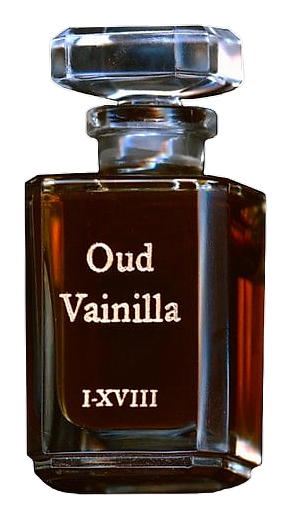
Julian Bedel has spent years documenting Patagonian botanicals, roots, resins, the aromatic fingerprints of a landscape at the edge of the world. But Oud Vainilla isn't Patagonia. It's the opposite direction entirely: oud from Southeast Asia, vanilla from somewhere warm and green. The question that drove this 2019 fragrance was simple, what happens when you bring those two materials into a Fueguia 1833 composition? No softening, no diplomatic resolution. Just the meeting of an ancient resin and a familiar sweetness, filtered through Bedel's field-notes sensibility. The result is less perfume than encounter report.
Oud and vanilla is a common pairing in perfumery, the resin's darkness and the bean's warmth feel like natural opposites. But most interpretations sweeten the oud into submission or spice the vanilla into submission. This one doesn't. The oud and vanilla arrive almost simultaneously, neither dominant. What makes the structure unusual is the powdery accord that sits between them, a quiet moderator that keeps the combination from cloying and prevents the oud from pulling too dark. It's a composition that earns its simplicity: two materials held in careful tension rather than blended into something safer.
The evolution
The opening is immediate, vanilla's sweetness arrives first, bright and clean. The oud doesn't push; it warms the edges. Five minutes in, you might wonder if the oud is there at all. It is. By the second hour, the oud gains presence, threading through the vanilla like a dark current. The vanilla doesn't recede, it deepens alongside the oud, becoming less sweet, more resinous. The drydown is the quietest part: powdery warmth close to the skin, the vanilla settling into something creamier as the oud finally exhales. Lasts four to six hours on most skin. Lingers on fabric as a soft, sweet warmth the next morning.
Cultural impact
Oud Vainilla occupies an interesting position in the oud-vanilla conversation: it's neither the warm, gourmand interpretation common in Western niche nor the rich, resinous style of Middle Eastern oud fragrances. The powdery accord that runs through the composition is the signature, a quiet moderator that keeps the pairing from tipping into sweetness or darkness. Wearers describe it as the kind of fragrance someone reaches for when they've already found their taste, not when they're still looking.
The House
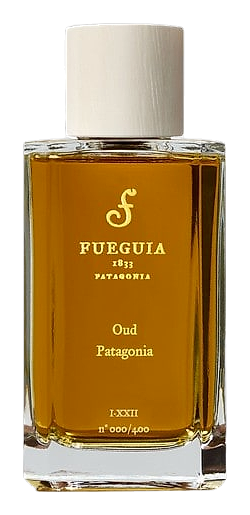
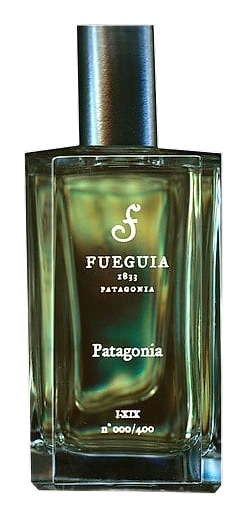
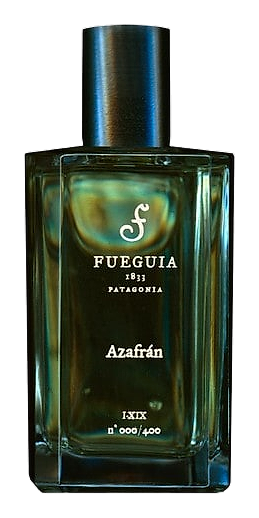
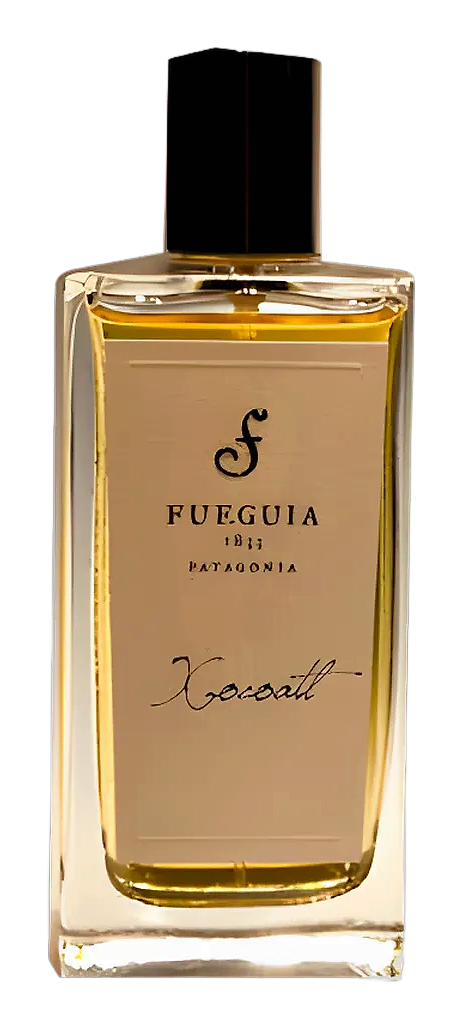
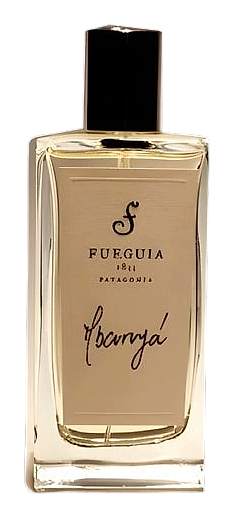
Fueguia 1833Fueguia 1833 is an Argentine fragrance house that creates limited‑edition scents rooted in the botanical heritage of Patagonia. Each perfume draws on medicinal plants harvested from the region’s wild landscapes, and the brand presents its creations as vintage‑style bottles that evoke a sense of travel and memory. The house operates a vertically integrated supply chain, growing, extracting and bottling its own raw materials, which allows it to maintain tight control over quality and environmental impact. Its collections, such as Rosa de los Vientos (2018) and Oud Jungle (2022), have attracted collectors who value authenticity and a narrative that links scent to place.
The Creator
Julian BedelJulian favors a palette that mixes rare South American botanicals with classic European absolutes. He often extracts essential oils from medicinal herbs such as catuaba, calafate and patagonian tea, then anchors them with ambergris, cedar and fine musks.