
The Story
Why it exists.
The beginning
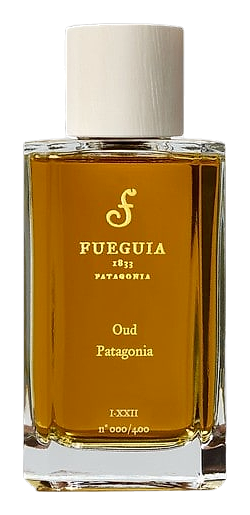
Julian Bedel spent years mapping the aromatic life of Patagonia, its resinous trees, its wind-bent shrubs, its cold-soil herbs. Oud Patagonia began as a question: what if the oud in perfumery didn't have to come from the same corner of the world? The region's own fermented woods became the answer, and Bedel built a proprietary process around them, a cold fermentation that extracts the wood's animalic depth without the heavy barnyard notes that can overwhelm. This isn't a reinterpretation of traditional oud. It's a different species entirely.
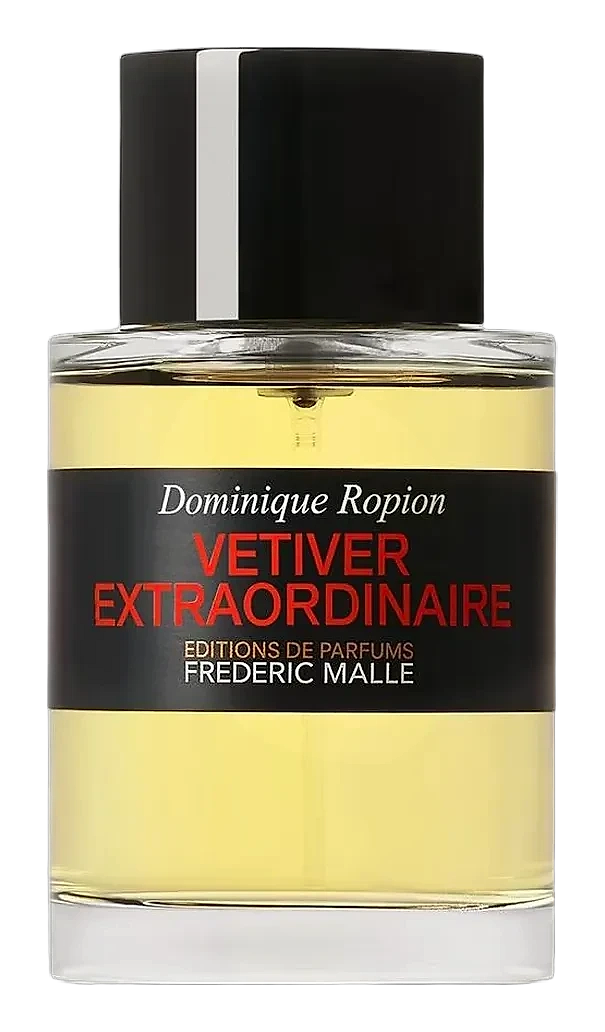
The three notes, vetiver, Patagonian oud, and a fruity facet, work together in a way that contradicts expectations at every turn. The vetiver keeps things green and slightly bitter. The oud brings warmth and animalic depth without the usual incense bombast. The fruity notes don't smell like candy or solvent, they smell like the cold air carrying the scent of wild berries from somewhere you can't quite see. What makes it unusual is the transparency: most ouds are opaque, dense, and weighted. This one lets light through.
The evolution
The opening hits green first, vetiver's root-bitter, just-rain-dampened quality arriving before anything else settles. Within minutes the Patagonian oud takes over, and this is where the fragrance earns its name: it's oud as it smells in nature, before maceration and age concentrate it into something heavy. The fruity note threads through like a bright thread, preventing the whole thing from going dark. By hour three, the animalic facet emerges, not aggressive, more like the warmth of skin in cold air. It lingers close, intimate, hard to scrub off completely. The next morning there's still a faint resinous presence on fabric, like the ghost of a campfire.
Cultural impact
Oud Patagonia draws inspiration from the remote wilderness of South America's southern cone, where the ancient forests of Patagonia meet the rugged Andes mountains. This fragrance captures the spirit of exploration and the pristine natural landscapes that have fascinated perfumers and adventurers alike. The use of oud in this context represents a meeting of Eastern aromatic traditions with Western frontier spirit, creating a scent that transcends geographical boundaries. The combination of vetiver with fruity notes reflects a contemporary approach to perfumery that honors traditional materials while pushing creative boundaries. This fragrance stands as a testament to how niche perfumery can bridge cultural distances through scent.