
The Story
Why it exists.
The beginning
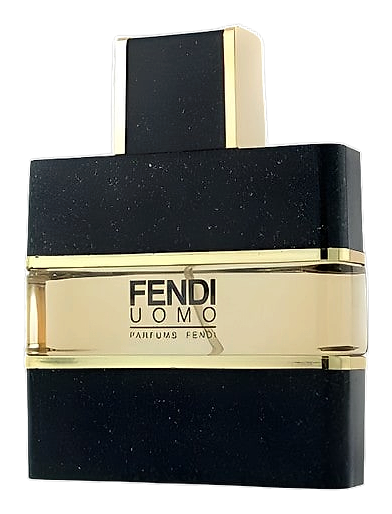
Fendi Uomo arrived in 1988, a period when the house was expanding into fragrance under Elizabeth Arden's marketing, a common path for fashion houses during that decade. The composition is structured, precise, and confident. Rather than follow the trends dominating masculine perfumery at the time, Fendi built Uomo around leather as a central element, treating it not as a trendy note but as a core material that grounds the fragrance. The result is a scent that feels deliberate in its construction, with a focus on precision that distinguishes it from more generic masculine releases of the era. Every element in the pyramid serves a purpose, from the citrus and herb opening through the powdery floral heart to the warm base that lingers close to the skin.
The pyramid is unapologetically late-80s masculine, six top notes, seven heart notes, eight base notes. This was the era when more meant more, and Fendi Uomo doesn't apologize for it. What elevates it above contemporaries is the blending: the herb and citrus in the opening don't compete, they harmonize. The lavender and bergamot create a cool counterpoint to the coriander and marjoram, so the start feels green and sharp without being abrasive. The heart introduces a powdery florality, iris and carnation, that gives the fragrance its unexpected softness.
The evolution
The opening announces itself in full, coriander, bergamot, a wash of lavender, then the herbs arrive and the citrus retreats. Ten minutes in, the carnation and iris take over, pushing the composition into powdery territory that feels almost floral, almost sweet. The cinnamon and cypress keep it grounded. By the third hour, the leather and vanilla become the story. Coconut threads through as a subtle sweetness that prevents the base from going dark or heavy. Patchouli and vetiver provide the earth. Amber and musk keep it warm without turning gourmand. The drydown is intimate, the kind of presence that lives in the collar rather than announcing itself across the room. The fragrance settles close and stays there, developing gradually as the top notes fade and the base reveals itself in stages.
Cultural impact
Fendi Uomo occupies an interesting position in vintage masculine fragrance history. The powdery florals in the heart, iris and carnation, offered something different from typical masculine compositions of the era. What makes it worth discovering today is precisely this: it offers late-80s masculine confidence without the clichés of the era. The fragrance provides an alternative for those seeking a scent with more complexity than the standard masculine releases.