
The Story
Why it exists.
The beginning
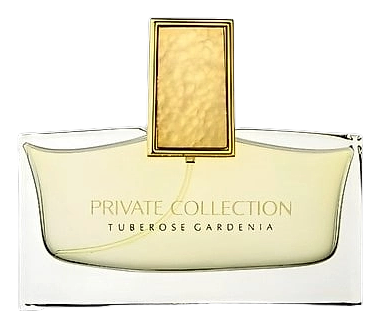
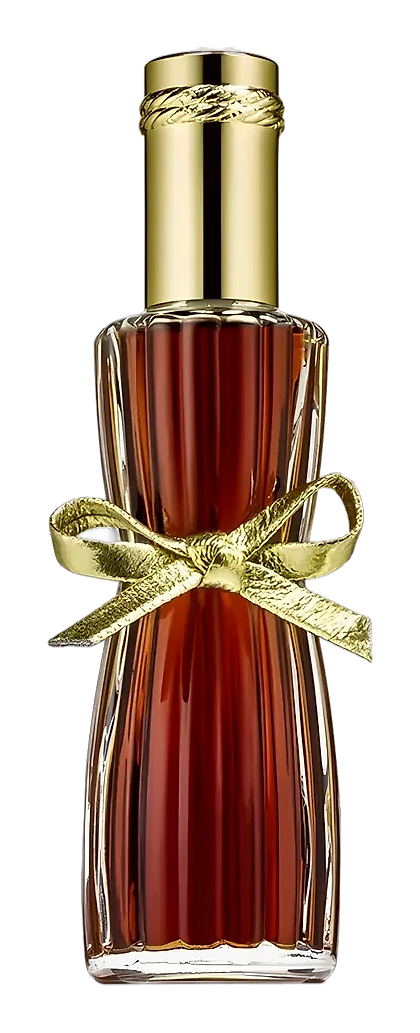
Released in 2007, Tuberose Gardenia joined Estée Lauder's Private Collection, a line the house reserves for its most unapologetically floral compositions. The perfumer was Harry Frémont. The Private Collection line has long been the house's playground for florals at their most dramatic, and Tuberose Gardenia commits fully to the spectacle. The composition layers the indolic depth of tuberose against gardenia's creamy sweetness, with neroli opening the top while orange blossom anchors the heart to keep the whole thing from sinking under its own weight. Neroli opens with a bright, almost citrusy clarity, a sharp green lift that catches the air before the white florals arrive.
What stands out is the use of indole itself, a molecule present in tuberose and reads as both sweet and slightly animalic, the compound that gives some white florals their darker, more complex edge. The gardenia amplifies the creamy, almost buttery density of the heart, while palisander rosewood and lilac add green lift to the opening that keeps the indolic richness from becoming cloying. The base of Bourbon vanilla and carnation anchors the whole bouquet with warmth, the carnation's spicy, slightly powdery character complementing the vanilla's smooth, resinous sweetness.
The evolution
The opening delivers green lift. Neroli, palisander rosewood, and lilac open with a sharp, almost cologne-like brightness that reads more spring garden than hothouse. It's the fragrance at its most restrained, a brief window where you might mistake it for something lighter than it is. Then the heart takes over, and there's no going back. Tuberose and gardenia arrive in full force, joined by orange blossom, white lily, and jasmine, and the composition swells into something dense, creamy, and indolic. The florals crowd together until the air around you feels thick with petals. This is the phase that defines the entire wear, and it holds without softening much through the long middle stretch of the day. As the hours pass, the carnation starts to surface, dusty and warm, giving the white floral a darker, more grounded cast.
Cultural impact
Tuberose Gardenia sits in the Private Collection, a line within Estée Lauder's fragrance catalog. The tuberose-gardenia pairing places it among bold white floral fragrances with an indolic character, but with a creamier execution than many in that category. The composition draws on the full depth of its raw materials, the indolic richness of tuberose paired with the buttery, lactonic sweetness of gardenia, creating a floral that honors the complexity of its ingredients. The Private Collection offers something different from the brand's more accessible offerings, a space for florals at their most expressive.
The House
Estée LauderEstée Lauder stands as one of the defining houses in modern perfumery, born from the ambition of a woman who believed every person deserved to feel beautiful. Founded in 1946 in New York City by Estée Lauder and her husband Joseph, the company began with just four skincare products and grew into the world's second-largest cosmetics corporation. Today, the brand continues to embody the founder's original vision of transformative beauty, creating fragrances that balance timeless elegance with contemporary relevance. Estée Lauder's scent collection spans decades of olfactory innovation, from the legendary Beautiful to newer interpretations that honor the house's rich heritage while appealing to modern sensibilities.
The Creator
Harry FrémontFrémont's style resists easy categorization. He works fluently across woody, floral, amber, and leather territories, with an especially strong command of vetiver and musks that has become something of a signature.