
The Story
Why it exists.
The beginning
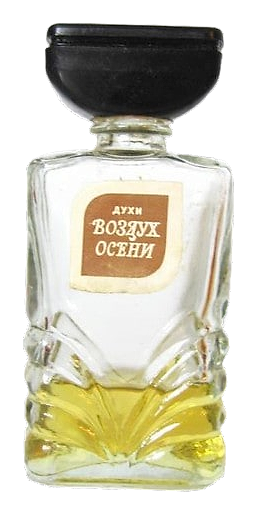
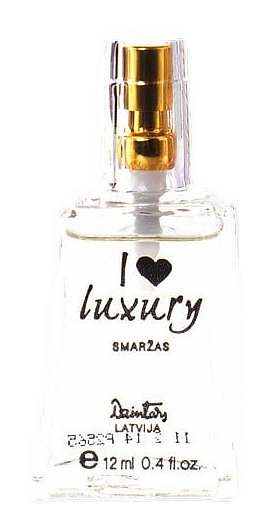
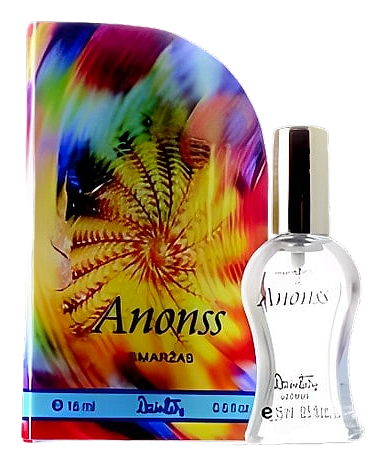
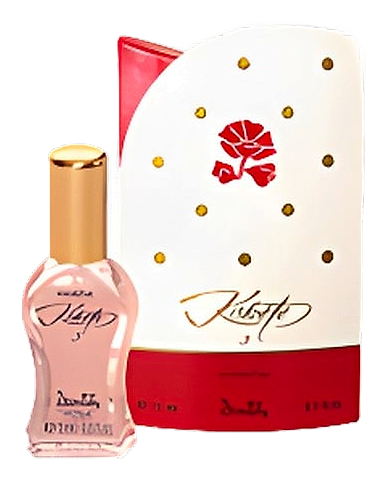
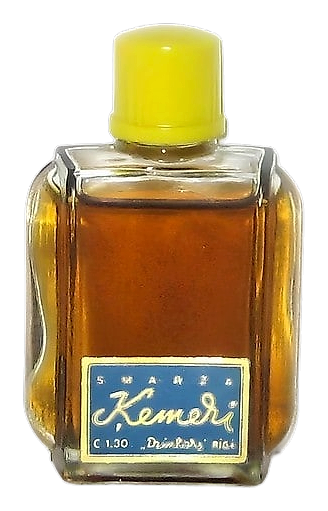
Kemeri launched in 1958 from Dzintars, a Latvian house based in Riga. The name itself points to Kemeri, a town associated with the region west of the capital. Three perfumers share credit on the bottle: Bronislava Schwarzman, Milda Gulbe, and Aina Pashko. The trio built a composition that moves between bright citrus, a layered floral heart, and a warm woody base, less a grand statement than a confident whisper. There is something distinctly Baltic in how the fragrance holds back, how it lets each note settle before the next arrives, and how the whole thing reads as composed without ever feeling overworked. The structure rewards patience. Spray it on a cool morning and the first hour feels like someone arranging flowers on a table, deliberate, unhurried, aware of every stem.
What's striking about Kemeri is how the classic pyramid still feels fresh in the hand. The four top notes do clean work, lemon and bergamot for clarity, petitgrain for that green nervous edge, violet to soften the corners. But the heart goes somewhere unexpected, building a midphase with real density. Five florals stack on top of each other, including carnation and ylang-ylang, and the combination gives the composition a spicy-sweet tension that holds attention longer than most fragrances from this era.
The evolution
The first ten minutes belong to the green citrus. Lemon and bergamot cut through with bright clarity, sharp enough to wake up the nose but never aggressive, while petitgrain adds a leafy bitterness underneath that reads as crushed leaf rather than juice. Violet arrives almost immediately, not as a solo note but as a softening agent, like someone running a thumb over chalk. Around the twenty-minute mark, the florals start taking over. Jasmine arrives first, casting a slightly soapy warmth across the composition, then the carnation with its clove-adjacent spice, then rose, which grounds the whole heart in something recognisably classical. The ylang-ylang shows up later than expected, lending a custardy sweetness that prevents the heart from feeling austere or overly green. By the second hour, the composition has settled into something quieter and more rounded.
Cultural impact
Kemeri wears its 1958 origins gracefully, and there is something quietly compelling about a mid-century composition that still holds up under modern scrutiny. The structure rewards close attention, the kind of wearer who leans in rather than stepping back, who values a composed silhouette over a loud entrance. The fragrance doesn't shout. It builds slowly, layering citrus over florals over warmth, and the payoff is in the second and third hours when the musk and sandalwood settle into the skin.
The House
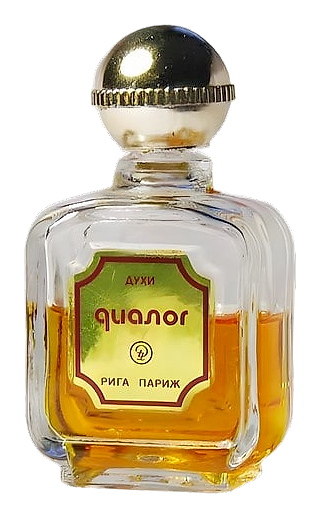
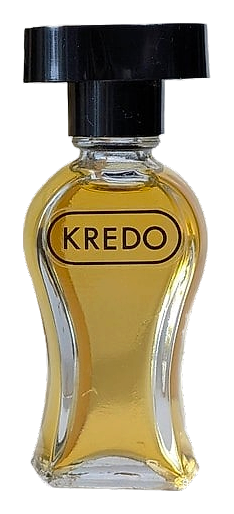
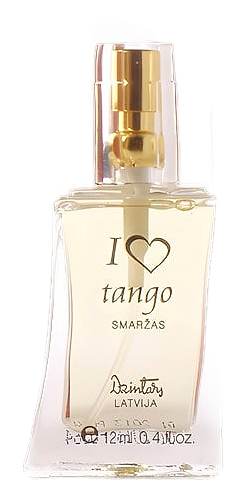
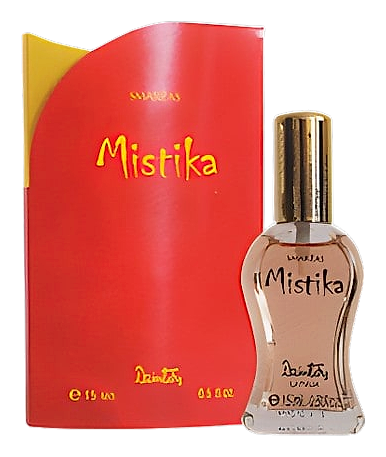
DzintarsDzintars is a Latvian perfume house that has been creating fragrances for nearly a century. Founded in Riga in the early 1920s, the brand survived the upheavals of World War II, Soviet nationalisation and the re‑establishment of Latvia’s independence. Its catalogue includes more than two hundred scents, ranging from classic fougère blends to aromatic compositions that echo the Baltic landscape. Dzintars remains a familiar name in Eastern Europe, where many of its vintage releases are still recognised by collectors.
The Creator
Bronislava Schwarzman & Milda Gulbe & Aina PashkoHer signature technique involves layering aldehydic brightness over structured florals, creating an effect that feels both vintage and surprisingly modern. Schwarzman favored ingredients with clear, assertive characters: pine needles, lilac, violet, and lily-of-the-valley appe…