The Story
Why it exists.
The beginning
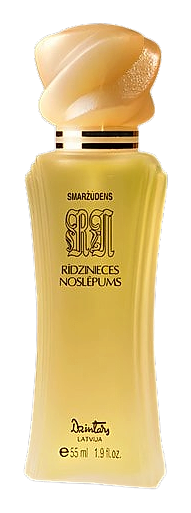
Būrve, the Latvian word for sorceress, arrived in 1975 from Dzintars, the Riga house responsible for the fragrance. The nose behind it was Bronislava Schwarzman, a perfumer whose name is recorded in connection with the composition. The fragrance was reportedly inspired by the French film adaptation of Kuprin's novel Olesya, a Kuprin story that Dzintars translated into scent. The name itself carries a charge: būrve in Latvian isn't a Halloween witch but something more elemental, a figure tied to old power, the kind of woman you might cross yourself walking past at dusk. Dzintars bottled that strangeness into aldehydes, green stems, and rose, a composition that smells less like a flower garden and more like the moment a flower garden decides to notice you.
Schwarzman's handling gives the composition a specific weather. The carnation and geranium in the opening add clove-edged spice and a herbal cool that pushes the florals away from sweetness and toward something more aromatic. The clove note from the carnation cuts through the aldehydic brightness like a blade drawn across a grindstone, and the geranium adds a leafy bitterness that tightens the whole structure. There's a mossy dampness running underneath, something that recalls bark after a long rain, the smell of stone walls in northern spring.
The evolution
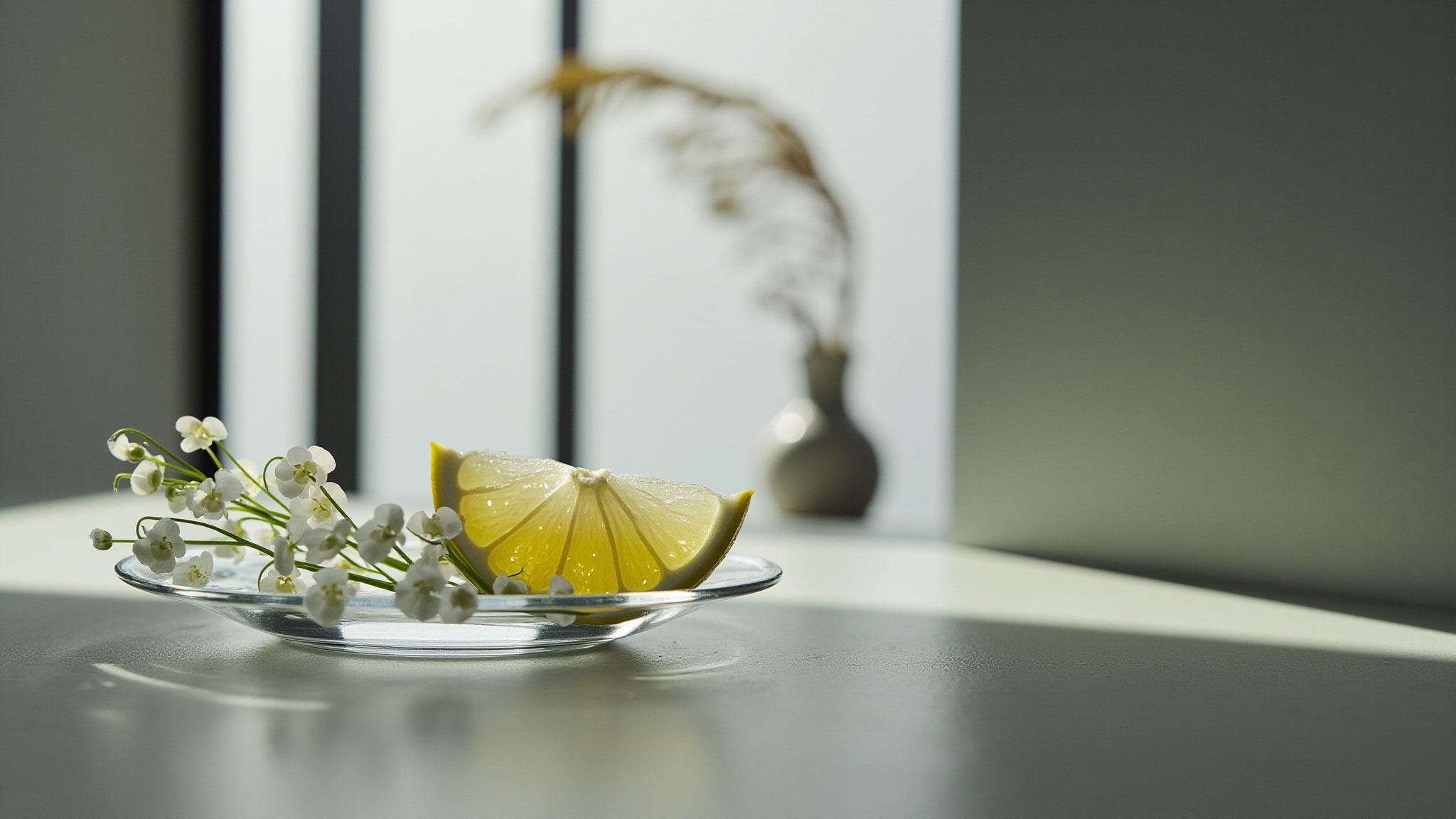
The opening is the loudest moment, and it announces itself with a near-metallic brightness, aldehydes and lemon flashing like light off a wet window. Lily of the valley and geranian add a green-watery chill underneath, and carnation sits at the edge, adding a clove-dark spice that keeps the brightness from feeling thin or merely fizzy. As the composition wears on, the white florals step back and the rose-jasmine-ylang heart takes over, but it doesn't go sweet. The galbanum pulls the whole thing sideways into something cooler and more aromatic, like walking past a rosebush after rain in cold air. The vetiver and sandalwood arrive quietly later, adding a dry woodiness that grounds the green and gives it weight. Eventually what's left on skin is a soft musk with a ghost of vetiver and a faint rose shadow, warm and close, the kind of scent that lingers on a coat collar the next morning.
Cultural impact
Būrve occupies a recognizable place among collectors who grew up around Soviet-era perfumery. Within vintage fragrance circles in the region, it carries the kind of quiet recognition that comes from a scent people associate with their mothers' or grandmothers' dressing tables, a fluted bottle tucked into a mirrored cabinet, a cap that always seemed slightly stuck. The composition reads as distinctly Baltic, cooler and greener than the sweeter, more powdery aldehyde florals that circulated widely in the same period.