The Story
Why it exists.
The beginning
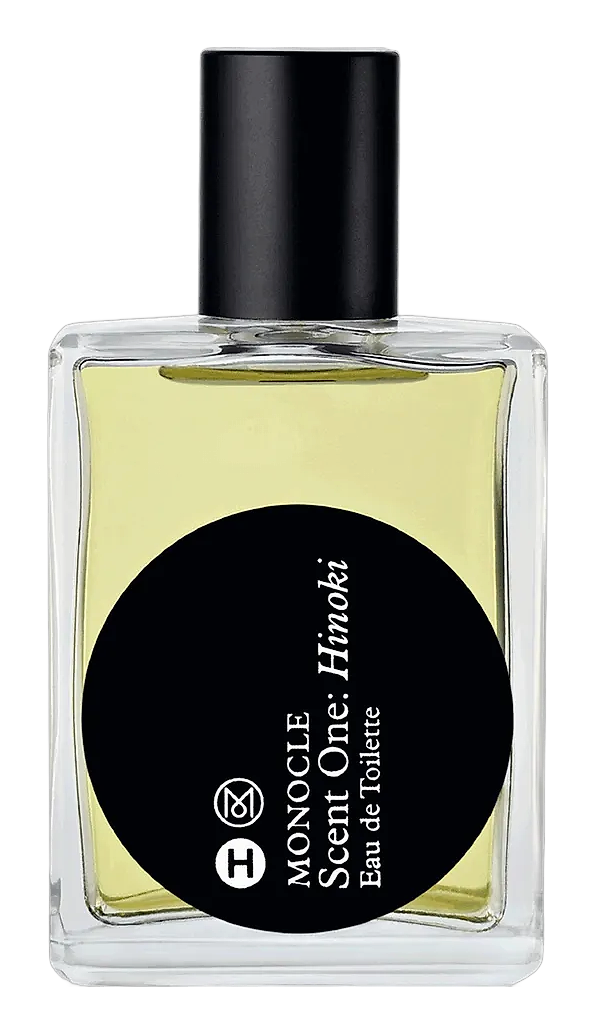
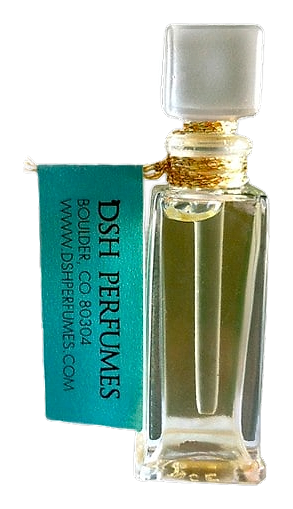
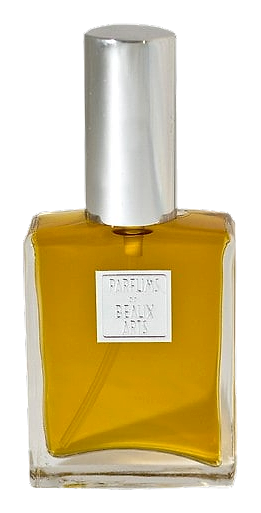
Matsu means "pine tree" in Japanese, though Dawn Spencer Hurwitz also heard "wait" in it, which suited the moment she was composing. The 2013 release began with that double meaning and built outward, trying to capture the sensation of standing inside a forest: the green rush of leaves, the resinous sap, the hush that settles when the wind drops. She built the composition note by note, layering hinoki cypress, cedarwood, iso e super, green sap accord, rosewood, Australian sandalwood, and guaiac wood into a structure that feels simple at first glance but rewards a second and third inhalation. The architecture stays Japanese in its restraint, a focused palette rather than a crowded one, yet each element carries enough weight to register on its own. There's nothing ornamental about it.
What makes Matsu unusual is the confidence of its green notes. Leaf-green arrives early, then greenwood and resin move through the heart, and hinoki cypress eventually dries into sandalwood and guaiac. The result reads less like a forest floor and more like the air inside a forest, humid, cool, alive. Hurwitz's choice of Australian sandalwood brings a specific texture to the base, creamier and less sweet than what the more familiar sandalwood sources typically offer, which gives the drydown a grounded character rather than something confectionery.
The evolution
The opening belongs to bergamot and a bright leaf-green accord, almost fizzy, like sunlight catching on wet leaves. Rosewood runs underneath, adding a faint woody warmth that keeps the first impression from reading too clinical. As the minutes pass the greenwood and tree resin arrive, and the composition shifts from airy to rooted. Water lily drifts through the heart, surprising and slightly cool, the way a stream sounds when you're walking through pines. The hinoki cypress starts asserting itself once the greens have settled, and the Australian sandalwood and guaiac wood eventually settle into a low, creamy warmth. The musk underneath keeps everything close to skin rather than letting it project. It doesn't broadcast. It stays.
Cultural impact
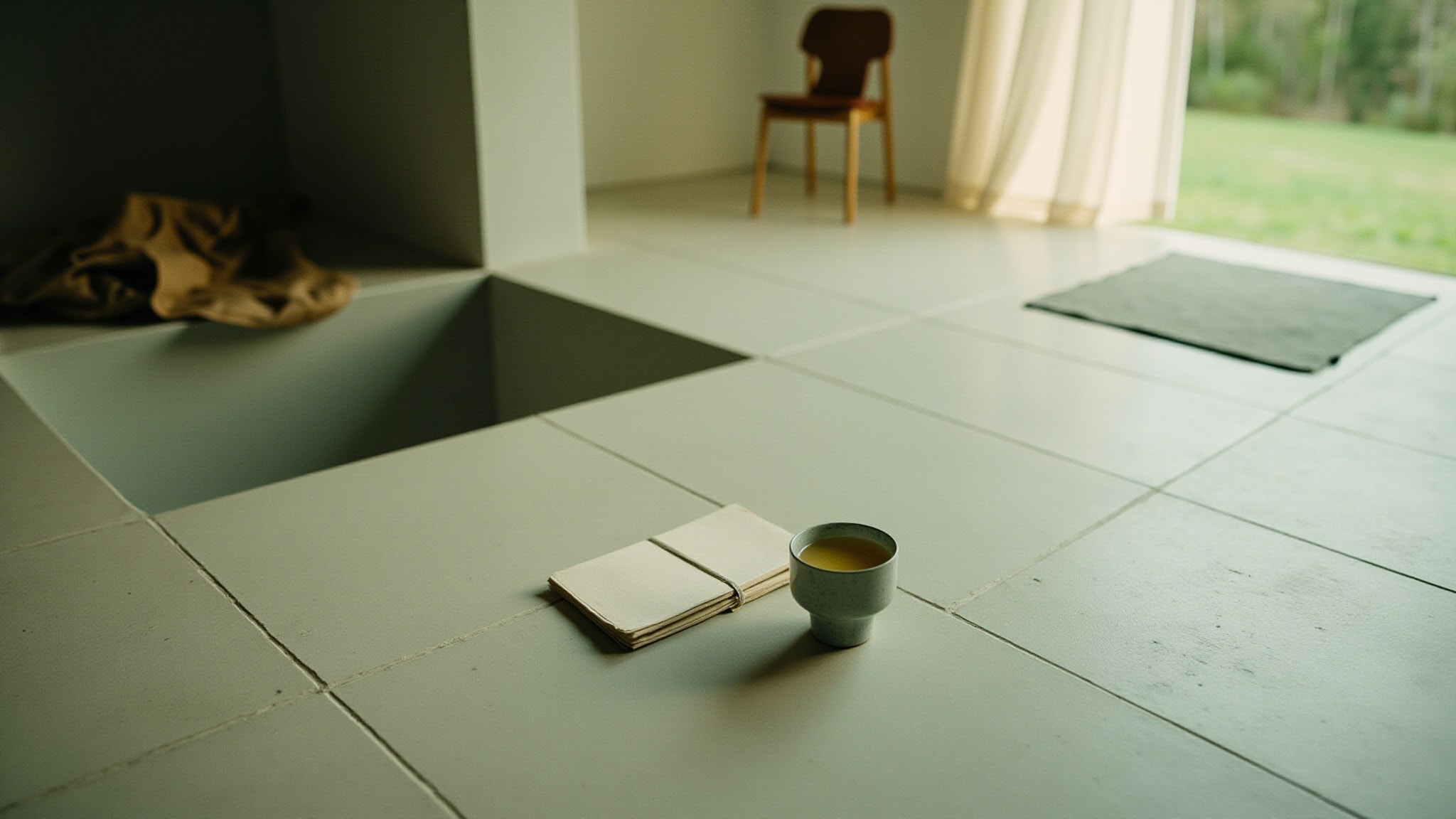
Matsu reads as a quiet, contemplative green wood, botanical in feel and built for people who want a forest walk in scent form. It wears like a personal reference rather than a statement piece, and its restraint sets it apart from louder, sweeter, more projection-driven releases in the indie catalog. For anyone drawn to green woods over heavier orientals, it's a touchstone. The composition has gathered a steady following among collectors who appreciate its specific balance of leaf, resin, and dry hinoki, and it continues to be discussed as one of the more focused green woods in the indie space.