Greenwood
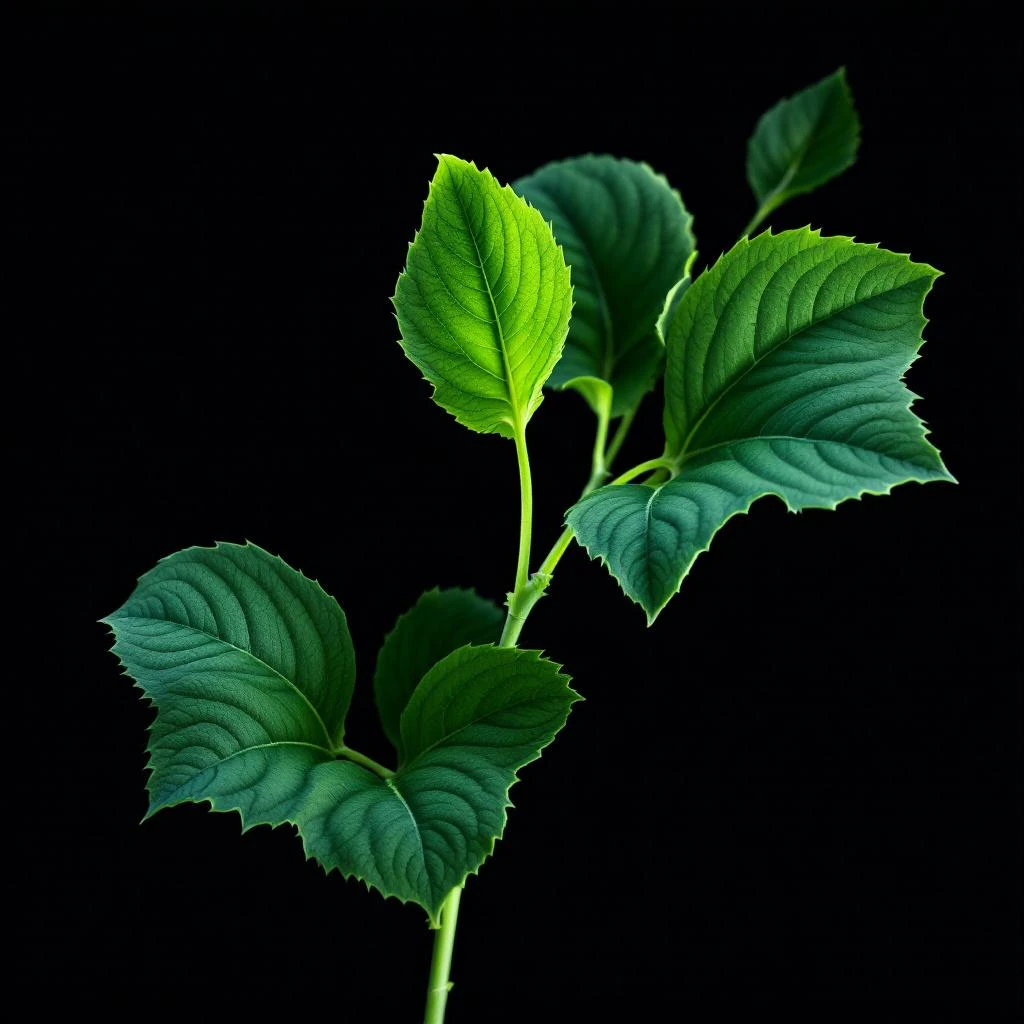
Greenwood captures the vivid scent of a living forest: crushed fern fronds, damp bark, sunlit canopy. Modern aromatic chemistry recreates this verdant experience, bringing the spirit of a walk through ancient woodland into fine fragrance.
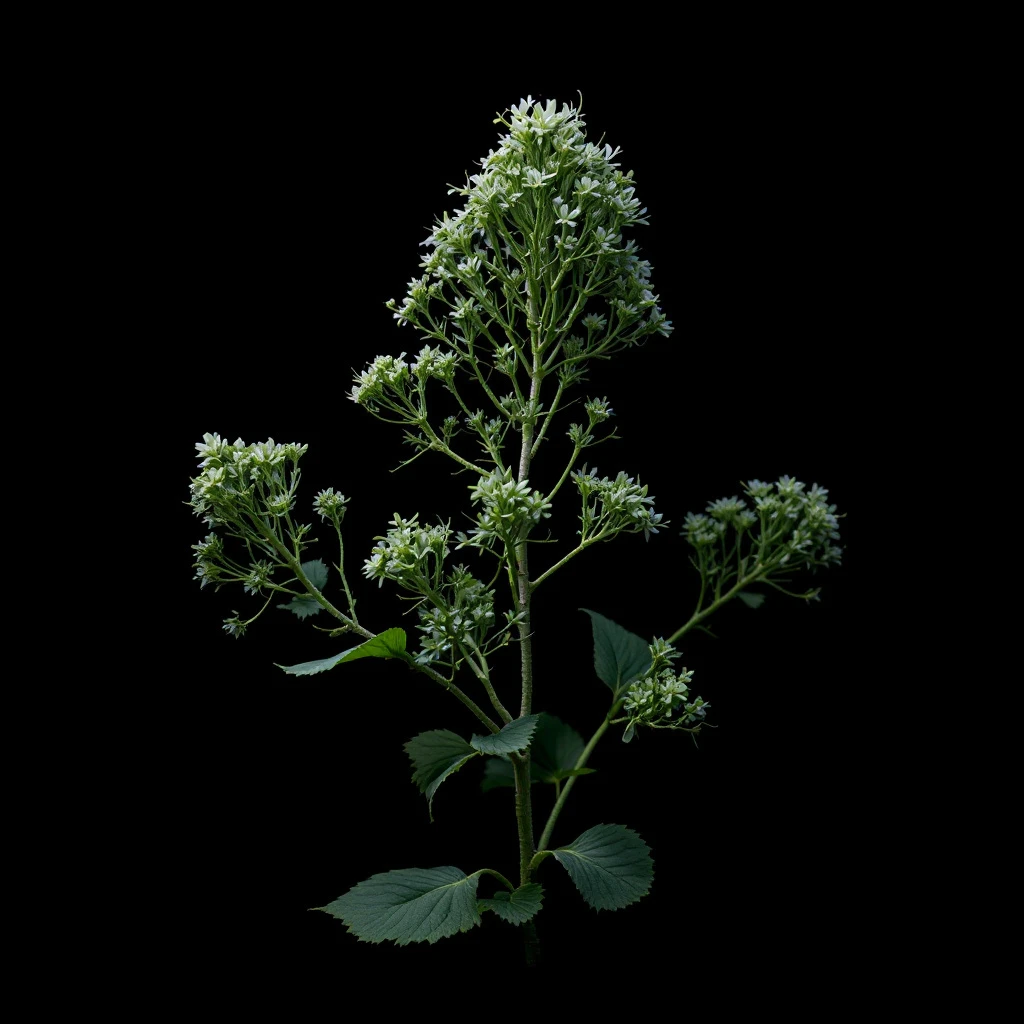
Character
How it smells
The verdant soul of a living forest.
Greenwood was developed as perfumers sought to recreate the scent of fresh-cut fern without harvesting threatened natural stands.




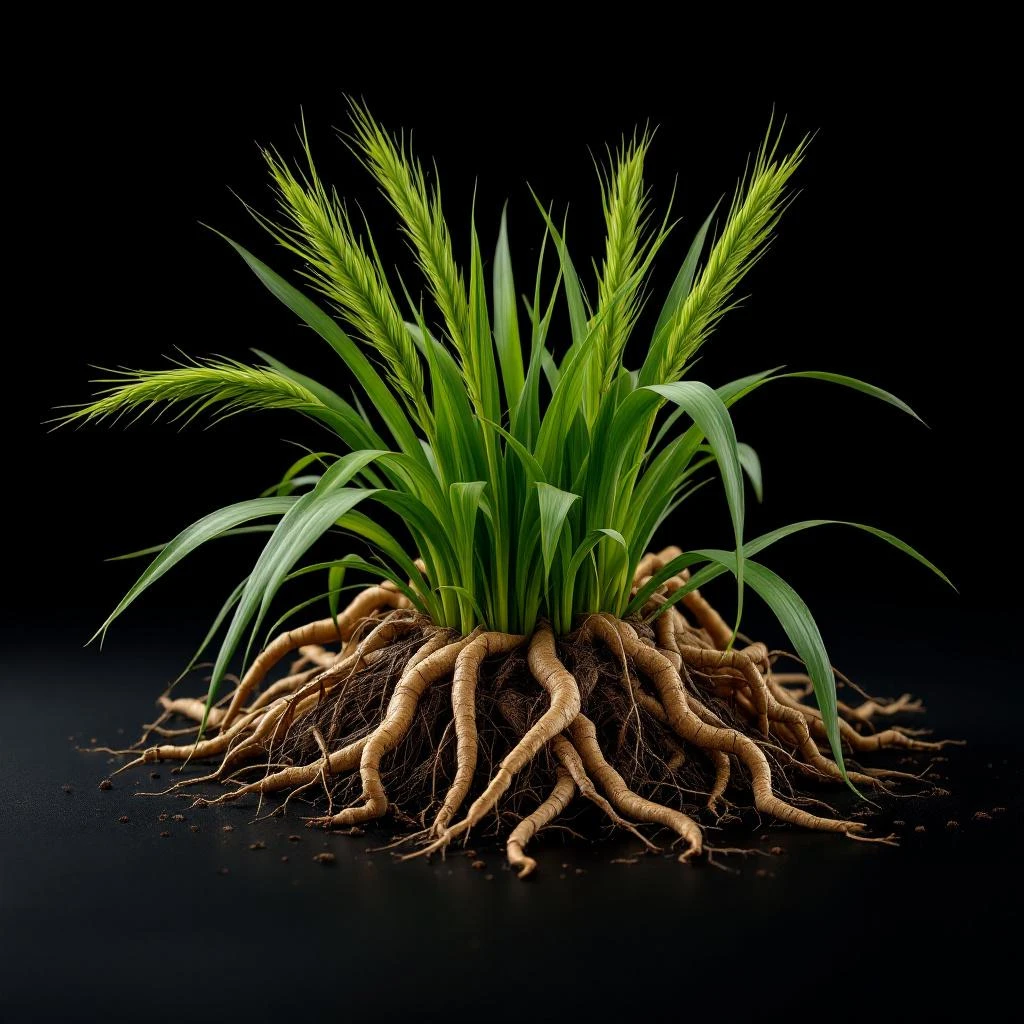


Origin
Japan
Modern perfumery transformed when chemists learned to recreate nature's scents in the laboratory. Greenwood represents this shift: an aromatic category born from scientific understanding rather than plant extraction.
While ancient cultures from Mesopotamia to Egypt worked with natural plant materials, the nineteenth century brought commercial synthesis of aroma compounds. Vanillin, coumarin, and artificial musk joined natural ingredients as perfumers gained new creative tools.
Greenwood emerged as perfumers sought to bottle the scent of a living forest, developing materials that evoke ferns, moss, and fresh-cut wood without depleting natural stands. Today, greenwood notes bring an immediate, vivid connection to nature in contemporary fragrance.
Wears it best
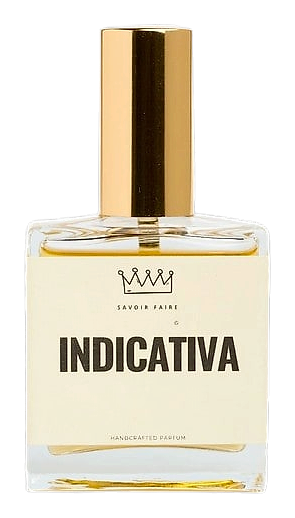
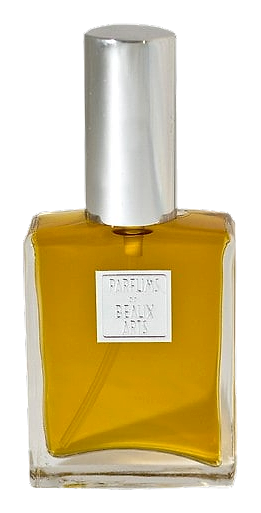
Fragrances featuring Greenwood
Brands
Brands known for Greenwood
Good to know
Questions, answered
The essentials on Greenwood in perfumery: how it smells, where it comes from, and how it behaves on skin.
What is Greenwood in perfumery?
Greenwood is a synthetic aromatic material that reproduces the fresh, green scent of ferns, moss, and damp forest vegetation.
What does Greenwood smell like?
It carries a characteristic fresh green aroma reminiscent of crushed fern fronds, damp bark, and morning forest air.
Where does the name Greenwood originate?
The name derives from the Woodwardia orientalis fern, native to Japan and East Asia, whose scent the material aims to capture.
What types of fragrances use Greenwood?
Greenwood appears in menswear, womenswear, and unisex perfumes, especially those seeking fresh, natural, or outdoor-inspired scent profiles.
Is Greenwood safe to use in perfume?
It carries no IFRA restrictions at standard usage concentrations and is considered safe for cosmetic and perfumery applications.
How does Greenwood enhance a fragrance composition?
It pairs exceptionally well with citrus, herbal, and floral notes, bridging top and heart notes with a cohesive natural green character.
Is Greenwood a natural or synthetic ingredient?
While the name references the Woodwardia fern, the commercial Greenwood aroma is primarily synthesized through chemical production.
Why do perfumers use synthetic Greenwood instead of natural extraction?
Synthetic production ensures consistent aroma quality and eliminates dependence on natural plant extraction, supporting long-term supply stability.