The Story
Why it exists.
The beginning
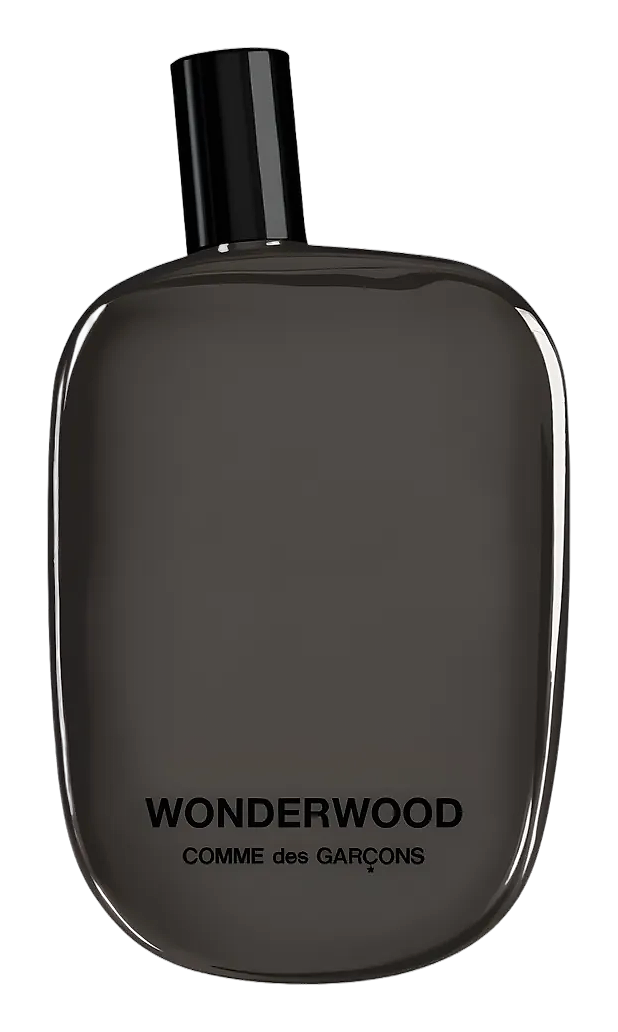
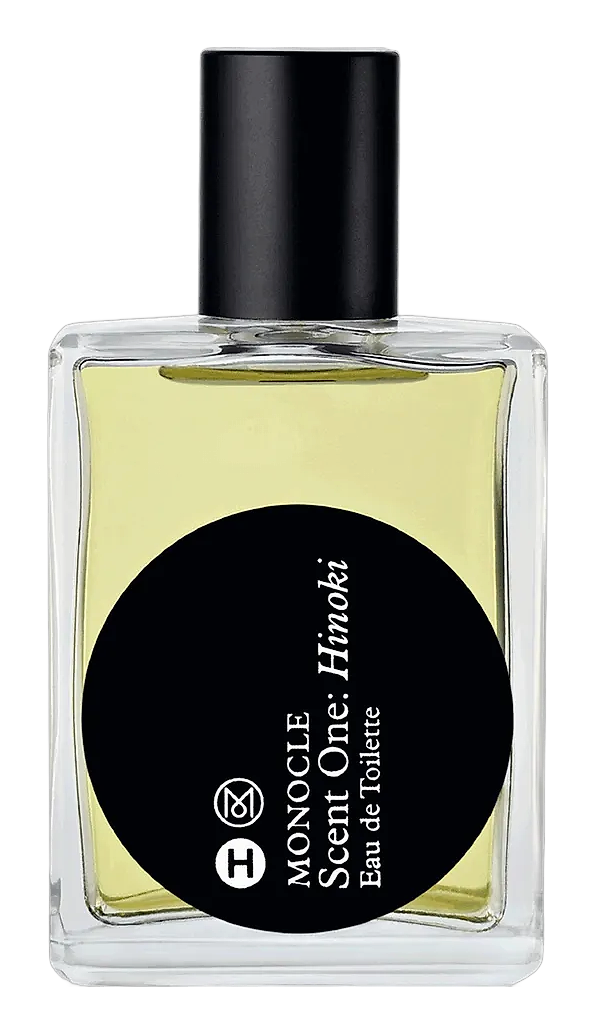
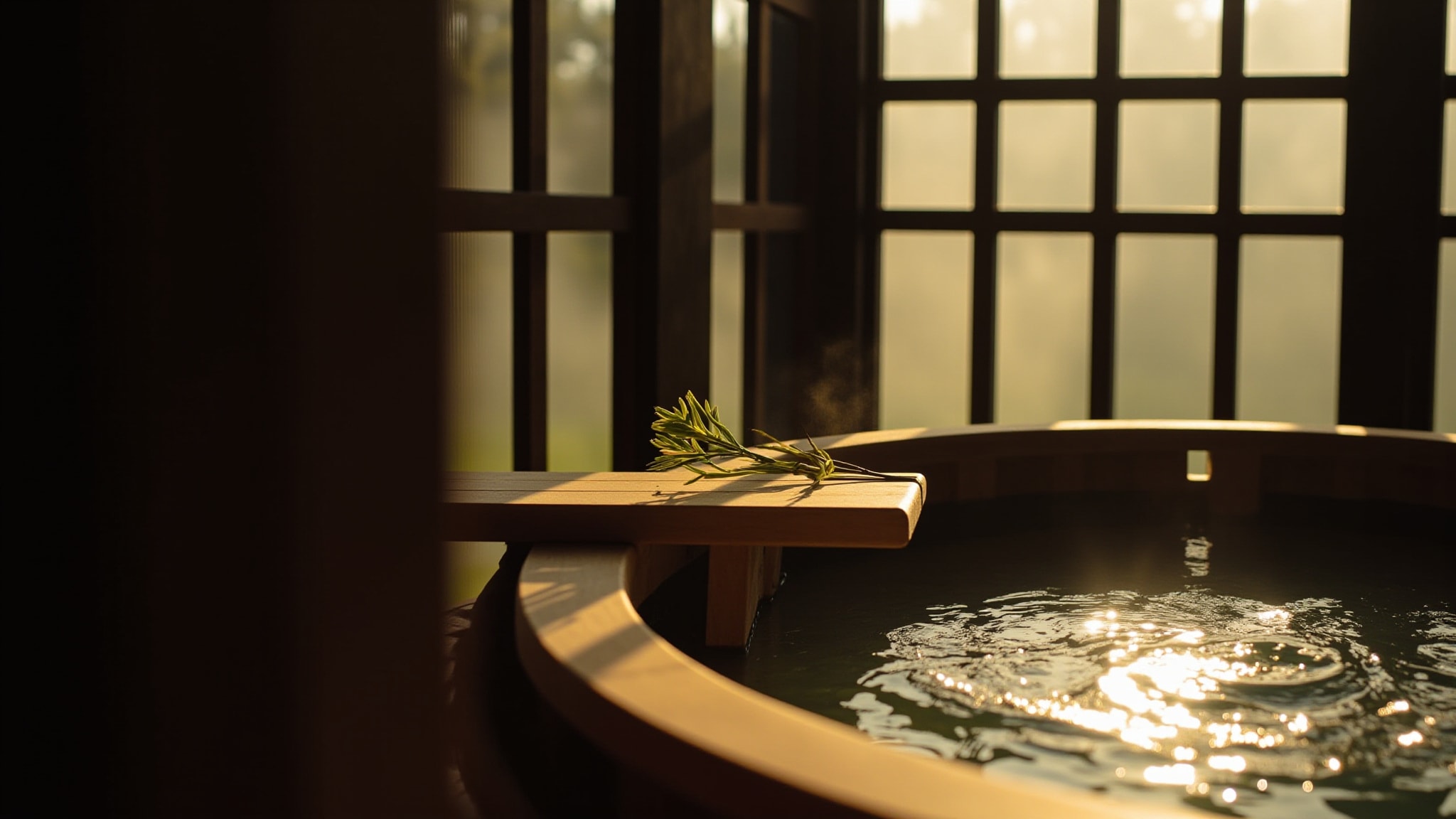
The Tawaraya is one of Japan's oldest ryokans, a place where bath culture becomes ritual. Scent One: Hinoki was born from a single spring morning there, a still, slightly chilly dawn spent soaking in a hinoki wood tub while moss and trees pressed against fogged windows. Comme des Garcons and Monocle collaborated on this fragrance in 2008, commissioning perfumer Antoine Maisondieu to translate that specific silence into something wearable. Not a spa scent. Not a luxury statement. The memory of a moment.
Hinoki is a Japanese cypress prized for its pale, pink-tinged wood. When freshly cut, it releases a lemon-fresh aroma, bright and clean, almost citrus-like, but unmistakably woody. The material is expensive, slow-growing, and deeply associated with Japanese bathhouse culture. Using it as a fragrance centerpiece, paired with camphor and cypress to echo that cold-morning-steam sensation, was a deliberate choice. This isn't a fragrance that tries to smell expensive. It tries to smell true to its origin: the Tawaraya, the water, the wood, the quiet.
The evolution
The opening hits cool and sharp, camphor lifting the senses like a window thrown open in a cold room. Cypress and green notes follow, adding an herbal bite. Thirty minutes in, the heart opens: pine, cedar, and the star, hinoki. This is where the fragrance earns its name. The woody warmth builds as the camphor softens, becoming something meditative rather than medicinal. The drydown settles into frankincense and vetiver, with juniper and oakmoss providing an earthy, slightly smoky finish that stays close to the skin. The longevity holds through a full workday, with the woody base detectable for several hours after application. On fabric, the cedar and hinoki can linger into the next day, a quiet reminder, not a statement.
Cultural impact
Scent One: Hinoki occupies a specific niche: woody fragrances for people who find most woody fragrances too loud or too sweet. The camphor-hinoki combination is unusual, camphor reads medicinal in Western perfumery, but here it serves the bathhouse origin, creating something that smells like the concept rather than the category. It's been a quiet cult favorite since 2008, more discussed among fragrance enthusiasts who seek out unusual compositions than among mainstream audiences.