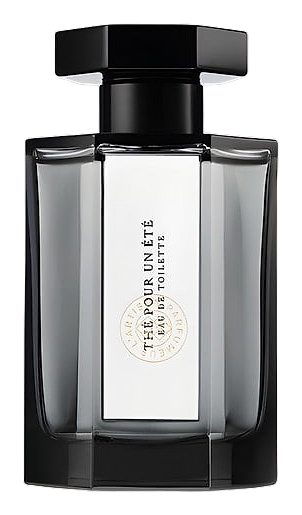

The Story
Why it exists.
The beginning
In the late 1980s, Jean-Claude Ellena made a discovery that would reshape perfumery. By combining hedione, the synthetic jasmine molecule, with ionone from violet, he could recreate the scent of green tea. He brought this innovation to houses like Dior and Yves Saint Laurent. Both passed. The concept was considered too creative, too abstract for established fragrance lines. Bvlgari, the Roman jewelry house founded in 1884, took the risk. The house had built its identity on geometric precision and gemstone clarity. Ellena's olfactory precision appealed to that sensibility.
The choice of bergamot for the opening was deliberate: it provides citrus freshness without the fleeting nature of most top notes. The green tea heart represents the philosophical core, Ellena's signature innovation. The drydown of beeswax and tonka bean grounds the composition, preventing it from remaining merely refreshing. These two base materials provide warmth and sweetness that balance the initial brightness. The pairing is intentional: citrus spark leads, tea clarity defines, warm materials settle.
The evolution
The opening spark of bergamot announces itself immediately, a sharp citrus clarity that signals intent. Within minutes, the green tea heart takes over, a vegetal aromatic presence that is neither herbal nor leafy but something more abstract, more intellectual. As time passes, the drydown introduces beeswax and tonka bean, shifting the fragrance from bright to warm, from external projection to intimate presence. The evolution moves from public to private, from performance to comfort.
Cultural impact
Eau Parfumée au Thé Vert invented the green tea fragrance category. Before 1992, tea as a named note in perfumery barely existed. After it, nearly every house launched their own version. Ellena's synthetic tea accord, hedione plus ionone, became a reference formula the industry still draws from. The fragrance holds a specific place in fragrance history: the one that proved tea could be a perfume's defining idea, not just a supporting note.