The Story
Why it exists.
The beginning
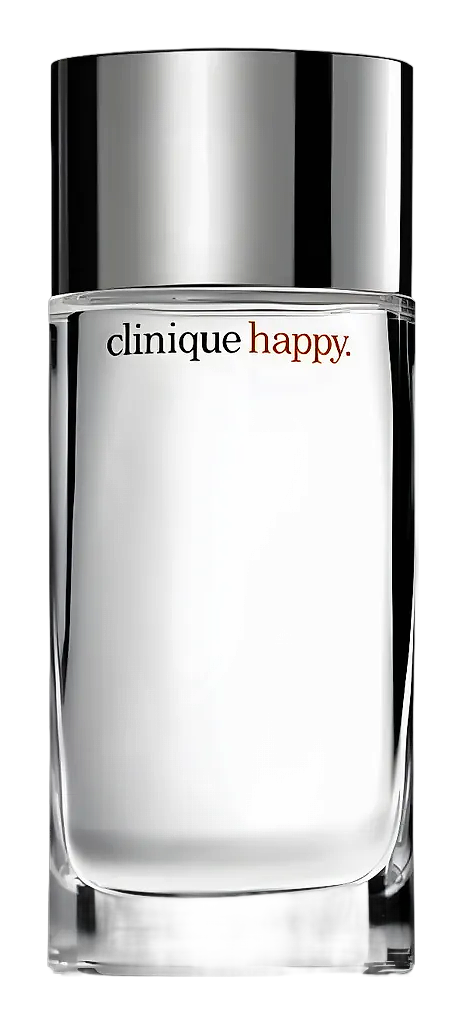
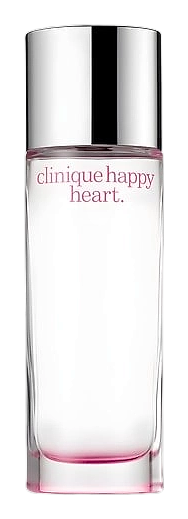
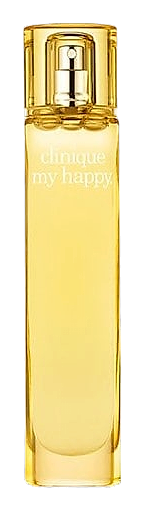
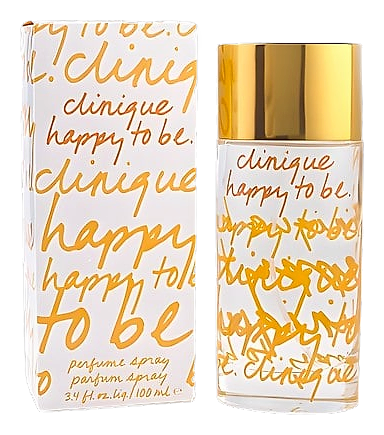
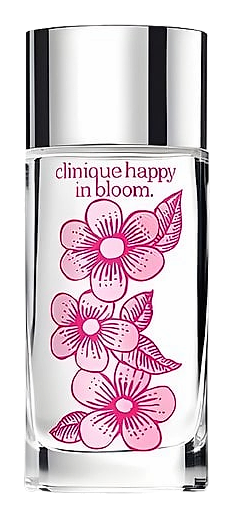
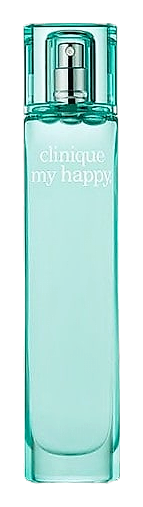
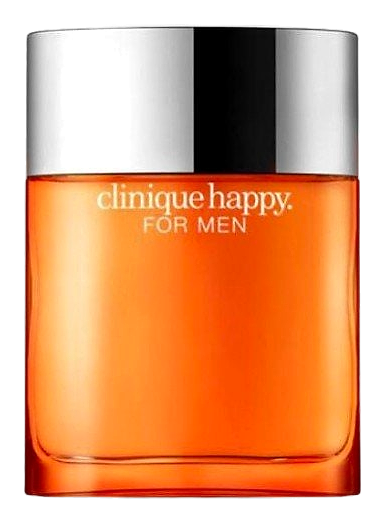
Clinique Happy arrived in 1998 with a simple brief: bottle the feeling of a good morning. The name wasn't decorative; it was the entire thesis. Wear this and the day improves. The fragrance was built as a floral-fruity composition, opening with grapefruit, mandarin, and bergamot in a bright citrus chord that reads more like a glass of fresh juice than a perfume. At the heart, white florals take over. The brand describes a Hawaiian wedding flower alongside orchid, lending the composition a dewy, tropical softness that keeps the citrus from feeling sharp or synthetic. The base rests on mimosa, a powdery yellow bloom that gives the airy florals somewhere to land without weighing them down.
What makes Happy structurally interesting is the bet on transparency. The composition doesn't try to seduce or mystify. It opens with a citrus chord that announces itself immediately, grapefruit and mandarin catching light in the first spritz, with bergamot smoothing the edges into something rounded and approachable. Apple and plum lurk beneath that bright surface, adding just enough sweetness to keep the citrus from feeling like a cleaning product or a candy.
The evolution
On skin, Happy moves fast and doesn't apologize for it. The opening is almost aggressively bright, a burst of grapefruit and mandarin that announces itself like someone opening all the windows in a room. There's apple underneath, a touch of plum that adds just enough sweetness to keep the citrus from feeling sharp or synthetic. The whole first phase has the energy of juice being squeezed, vivid, wet, and immediate. The citrus holds the foreground for a while, but it doesn't shout for long. Within the first half hour, the white florals begin to take over. Lily of the valley and freesia give it that classic soapy-clean quality, with orchid adding a faint creaminess that rounds out the composition. The rose barely registers on its own, more of a softening effect than a featured note, a way of warming the florals rather than announcing them.
Cultural impact
Happy has held a consistent presence in the fragrance market since its launch, maintaining shelf space and recognition across multiple decades. It won a 1998 FiFi Award and was inducted into the Fragrance Hall of Fame in 2014, a trajectory that reflects sustained consumer engagement rather than a brief moment of trend-driven popularity. The fragrance carved out a specific emotional territory, the everyday optimism of a good morning, and that positioning has kept it relevant through shifting market preferences.
The House
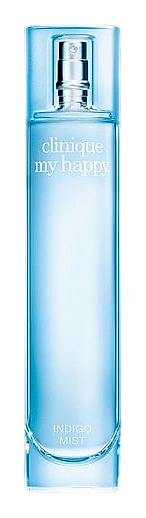
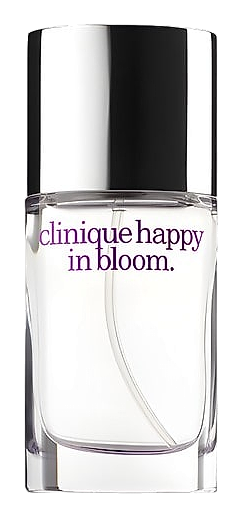
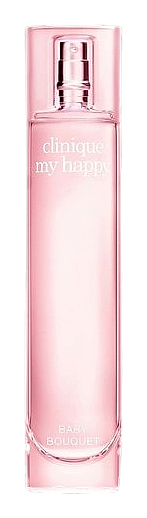
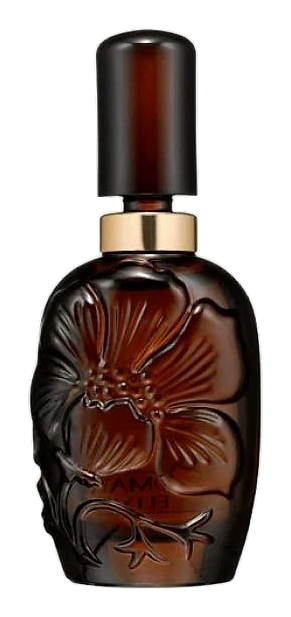
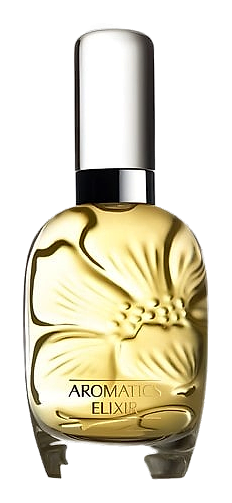
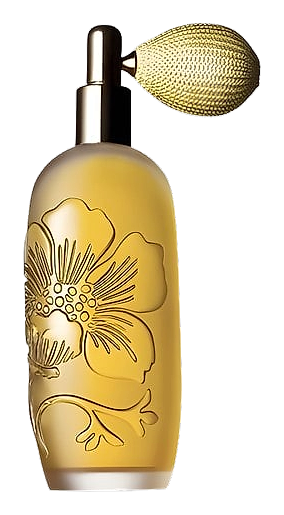
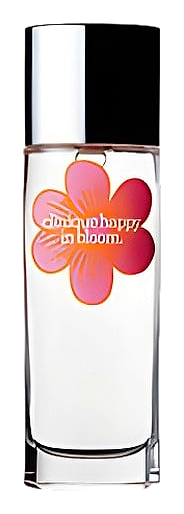
CliniqueClinique entered the fragrance world through the Estée Lauder Companies in 1968, bringing its dermatological expertise to perfume creation. Rather than positioning itself as a traditional perfumery house, Clinique applied its clinical background to fragrance development, emphasizing scientific rigor alongside sensory appeal. The brand's Aromatics Elixir, launched in 1975, became its signature scent and remains in production as one of the oldest continuously sold women's fragrances from a major cosmetics company. Clinique's fragrance portfolio spans multiple decades, with notable releases including Aromatics Elixir Premier (2017), the Perfumer's Reserve series (2011), and the Happy collection that began in 2002. The brand operates as a subsidiary of Estée Lauder Companies, combining pharmaceutical-inspired formulation principles with accessible luxury positioning.
The Creator
Jean-Claude DelvilleDelville's style resists easy summary, which is perhaps the point. He moves between floralorientals, fresh citruses, and powdery aldehydic compositions with apparent ease.