
The Story
Why it exists.
The beginning
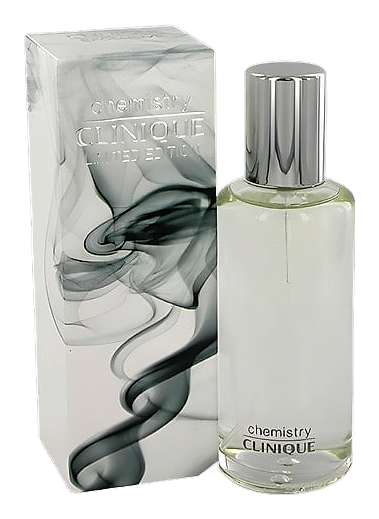
Clinique released Chemistry in 1994 with a clear brief: apply the same systematic thinking used in their skincare lines to the question of how a man should smell. Rather than mystique or tradition, the brand brought clinical rigor to masculine fragrance, testing, refining, insisting on a specific effect. The name itself suggests a reaction, a transformation. Something applied to skin that changes what's already there. Chemistry was the answer to a simple problem: fresh smells good, but most fresh fragrances don't last, don't develop, don't earn attention. The brand wanted something that smelled like the hour after a shower, not the soap, not the water, but the clean warmth of skin that knows it's clean. Mint and neroli opened the formula bright. Lavender kept it grounded in something herbal and real. Jamaican ginger brought heat without spice, the warmth of skin, not the heat of a kitchen.
What makes Chemistry's note structure interesting is the tension between freshness and warmth. Mint and lemon open sharp and bright, immediate, almost clinical. But the heart introduces Jamaican ginger, which doesn't smell like the ginger root you'd find in a kitchen. It smells clean and slightly spicy, like the memory of heat rather than heat itself. Coriander adds a subtle complexity, a whisper of something unexpected beneath the lavender. Cyclamen, often overlooked, provides a quiet floral note that bridges the cool opening and the warmer base. The base is where Chemistry earns its name: musk and oakmoss create that skin-close effect, while sandalwood and cedar add woody warmth without heaviness.
The evolution
The opening arrives fast, mint and neroli bright, lemon lifting, lavender sitting just beneath the surface. Thirty minutes in, the ginger announces itself. Not spice. Clean heat. The kind that makes you check if you showered twice. The heart phases slowly: coriander enters quietly, black pepper adds a slight edge, cyclamen softens everything into a floral murmur. By the second hour, the top notes have retreated and the base takes over. Musk and oakmoss create that close-to-skin effect, not projection, but presence. Sandalwood and cedar warm the drydown into something that smells like the memory of freshness rather than freshness itself. Four to six hours in, Chemistry becomes intimate. It doesn't fill a room. It marks you as someone who smells clean. The next day on fabric, there's a faint trace of cedar and musk, the ghost of a shower that never quite fades.
Cultural impact
Chemistry arrived in 1994 as part of Clinique's broader fragrance portfolio, applying the brand's clinical methodology to masculine scent. The fragrance occupied a specific niche: fresh without being aquatic, warm without being heavy, clean without being clinical. It found its audience among men who wanted something that smelled like starting over, the hour after a shower, the feeling of clarity, the confidence of knowing you're clean. The 90s minimalist aesthetic fit a moment when clean and aromatic were de rigueur for the fashionable man. What made Chemistry notable was achieving that effect without the synthetic sharpness that plagued many contemporaries. The ginger and lavender combination created warmth that felt natural, freshness that lasted past the first hour.