The Story
Why it exists.
The beginning
Clinique Wrappings belongs to the green chypre family, a category known for its structured, mossy character. The fragrance arrived with a focus on herbal freshness that feels intentional rather than fleeting. What distinguishes it is the way the green notes maintain their presence throughout the wear, evolving without dissipating. The composition balances crispness with depth, creating something that feels both immediate and sustained. It's a fragrance that asks the wearer to engage with its complexity over time rather than simply experiencing an initial burst.
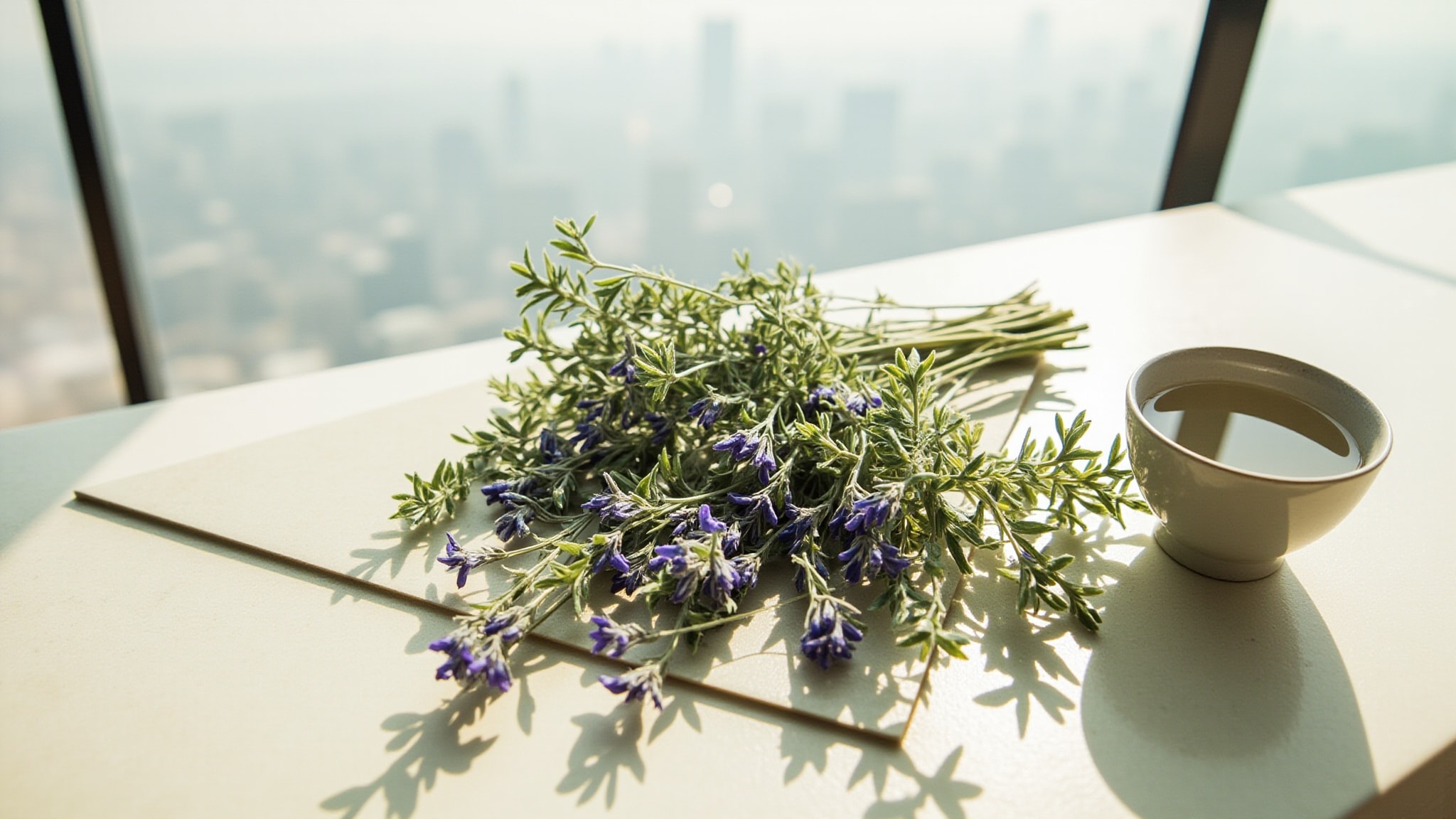
The structure of Wrappings moves through distinct phases: herbs open the composition, flowers take over in the heart, and moss anchors the base. Unlike many aldehydic fragrances where the aldehydes dominate the opening and then fade, here they interact with the herbaceous layer of artemisia and lavender from the start. This interplay keeps the aldehydes present but controlled, integrated rather than isolated. The result is an aldehydic brightness that doesn't simply announce itself and disappear.
The evolution
The opening hits crisp and aldehydic, that crystalline brightness like crushed green stems. Thirty minutes in, the herbs take over: artemisia's bitter-green warmth meeting lavender's aromatic cool. The transition surprises because it doesn't soften; it deepens. Hyacinth and carnation arrive next, bringing a waxy floral weight that feels almost physical, close to skin. Then oakmoss and cedar arrive like late guests who've been waiting. They don't overwhelm. They settle. By the third hour, the fragrance has become something quieter than it started, mossy, slightly animal, with leather and patchouli underpinning everything. The sillage remains intimate throughout the drydown, projecting softly while maintaining presence on skin.
Cultural impact
Clinique Wrappings occupies an unusual position: a green aldehydic chypre that arrived outside the typical fragrance release calendar. It attracted wearers who wanted something different from the prevailing trends, a composition that felt structural and deliberate rather than following the natural tide. The fragrance developed a following for being distinctive, sometimes described as peculiar, occasionally polarizing, but never generic. Its combination of aldehydic brightness with herbal depth and mossy base gave it a character that stood apart from both the maximalist florals of the era and the lighter aquatics that were beginning to dominate.