
The Story
Why it exists.
The beginning
Blazer arrived in 1976, a parfumerie companion to Anne Klein's growing fashion empire. The name said everything, structured, confident, ready to wear. Anne Klein built her house on the premise that a woman's clothing should work as hard as she does, and Blazer the fragrance followed the same logic. It wasn't about ornamentation or fantasy. It was about presence, about scent as a tool of self-definition rather than self-decoration. The parfum concentration, richer and longer-lasting than an eau de parfum, was a deliberate choice. A blazer is not a costume. It's armor. And Blazer the perfume was designed to wear the same way.
What makes Blazer interesting is its structural integrity. Most fragrances of any era rely on a single axis, sweet florals, or fresh citruses, or warm woods. Blazer runs on three at once. The aromatic opening (lavender, mint, juniper) gives it an herbal lift that keeps things clear. The citrus top (bergamot, lemon verbena) cuts through with brightness. The base (cedar, ambergris, patchouli) provides the drydown that actually earns its keep, staying close and warm for hours. The cloves add a warm spice that bridges the fresh and the woody. It's a composition that could have gone in six different directions and somehow chose all of them at once.
The evolution
The opening hits with the aromatic herbal accord, lavender leading, mint following close, juniper threading through like a cold glass of gin. It's crisp. It's green. It smells like someone who arrived on time. Within twenty minutes, the bergamot and lemon verbena lift the citrus, adding brightness without sweetness. The geranium and calendula arrive next, adding a floral roundness that softens the edges. Then the cloves emerge, warm and unexpected, bridging the gap between the fresh herbal top and the woody base. By the second hour, the cedar takes over, dry and substantial. The ambergris adds a salt-warmth that keeps the cedar from going sharp. Patchouli lingers underneath, earthy and long, the final note that refuses to leave. Six hours later, on fabric especially, it's still there, cedar and the ghost of something herbal, like a room someone just left.
Cultural impact
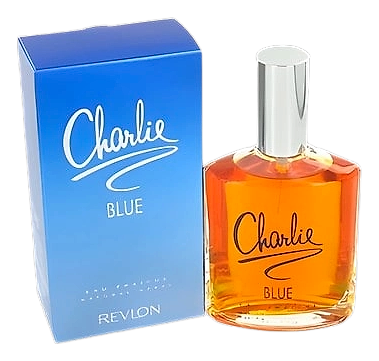
Blazer occupies an interesting position in the chypre canon, aromatic-forward where many chypres lean fruity-floral, herbal where others went warm-spice. Wearers tend to describe it as the scent of someone who doesn't need to announce herself, which fits the Anne Klein philosophy precisely. It shares company with Halston, Clinique Wrappings, and Charlie Blue, the confident American florals of the late 1970s and early 1980s. Unlike those contemporaries, Blazer never went reformulation-quiet. It stayed the course, aromatic and assured.