The Story
Why it exists.
The beginning
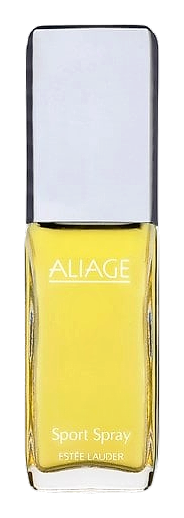
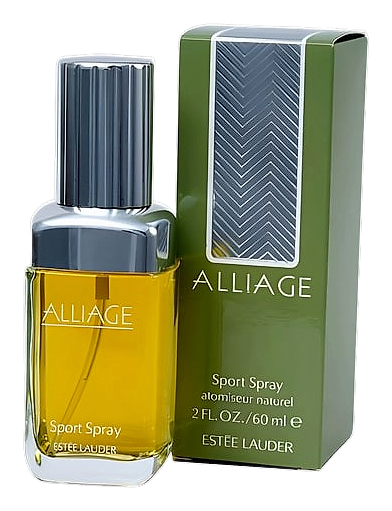
In 1972, Francis Camail created something the fragrance world hadn't imagined, a scent for women who moved. Not the careful, contained movements of society, but actual motion. The brief was simple: capture the smell of being active, outdoors, alive. Camail reached for cool citrus to open, jasmine to soften the sharpness, then grounded it all in oakmoss and vetiver, materials that smelled like the earth after rain, like tennis courts and open air. This was Alliage: the first fragrance to ask what women deserved to smell like when they weren't sitting still.
What makes Alliage's structure unusual is the green-chypre backbone. Most fragrances of the era leaned into florals or aldehydes. Camail chose oakmoss and vetiver as anchors, materials with an earthy, almost mineral quality that reads as 'outdoors' without being literal. The nutmeg in the heart adds a quiet warmth, a spice that prevents the composition from feeling too austere. It's the kind of structure that rewards attention: at first it reads as sharp and citrus-forward, but the longer you wear it, the more the woody depth reveals itself.
The evolution
Alliage opens with lemon so sharp it could cut glass, bright, cold, immediate. Within minutes, jasmine softens the edges, bringing a white floral sweetness that tempers the citrus without killing it. The heart phase introduces nutmeg and rose, a quiet spice-and-floral pairing that adds dimension without drama. Then the base arrives: oakmoss, vetiver, and cedar, an earthy-woody trio that grounds everything. This is where Alliage earns its reputation. The drydown isn't pretty or polite, it's green and resinous, the smell of someone who's been outside for hours. On skin, expect 8-10 hours easily. On fabric, it lingers for days.
Cultural impact
Alliage arrived in 1972 as the first fragrance marketed specifically for active women, a radical idea at the time. It wasn't about smelling pretty for others; it was about smelling like yourself after a run, a match, a walk. The green-chypre structure was unusual for women's fragrance, which typically leaned into florals or aldehydes. This was something different: cool, athletic, unapologetic. The 1970s were about liberation, and Alliage was one of the first fragrances to smell like it.