The Story
Why it exists.
The beginning
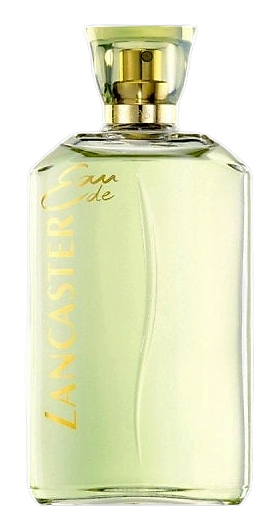
Lancaster released Eau de Lancaster in 1977, the same year the house shifted from cosmetics into perfumery. The brand had spent three decades building its identity around refined Italian beauty, products that enhance rather than announce. This fragrance was the statement. An aromatic chypre with Mediterranean citrus and a mossy, herbal heart, structured without being theatrical, made for people who recognize quality without needing proof of it.
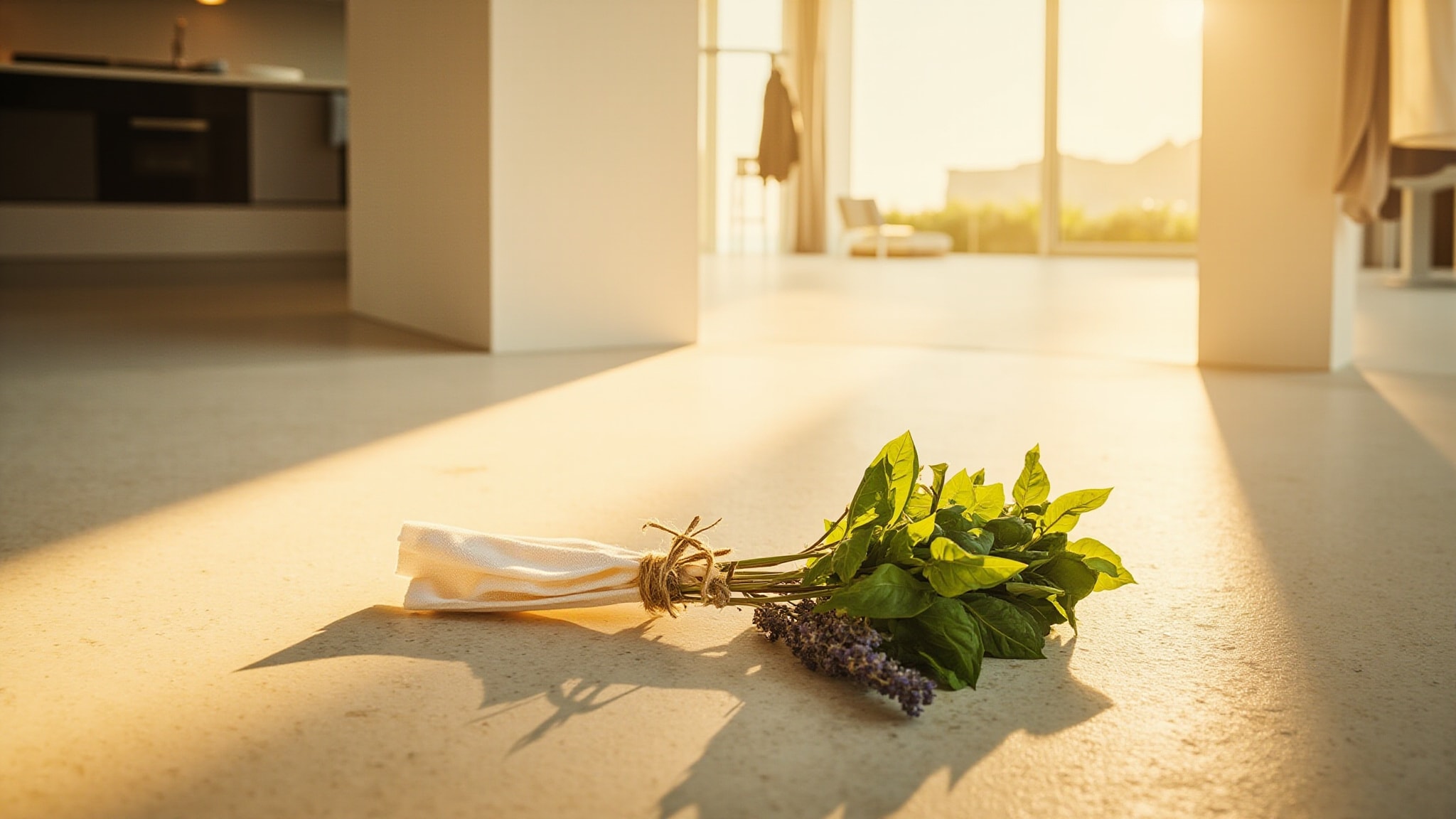
What makes this composition unusual is the way the herbs lead without dominating. Lavender and basil open cool, almost medicinal in their clarity, then jasmine and lily arrive, warm and soft, a different register entirely. The contrast isn't aggressive. It's the quiet drama of something unexpected showing up at the right moment. Oakmoss and amber anchor the base, keeping everything that came before in place. The vanilla adds just enough cream to soften the edges without turning the whole thing sweet.
The evolution
The opening hits immediately, basil and mandarin arrive sharp, almost aggressive, before bergamot smooths the edges. Twenty minutes in, the citrus recedes and jasmine takes over. What surprises is the hand-off: most fragrances fade gradually; this one shifts. The floral heart asserts itself while the citrus-herb opening genuinely retreats. By the third hour, oakmoss and amber are all that remain, warm, mossy, close to skin. The vanilla appears in the final phase, a soft cream beneath the earth. Lasts through an eight-hour day, projection stays moderate throughout.
Cultural impact
Eau de Lancaster occupies a quiet corner of the fragrance world, aromatic, chypre, with that specific 1977 Italian restraint. It's the kind of scent collectors seek out when they've exhausted the obvious choices. Not a statement fragrance, but one that rewards attention. The reputation is built on value and refinement, Italian character without Italian theater.