
The Heritage
The Story of Lancaster
Lancaster is an Italian cosmetics and fragrance house that has been shaping personal scent since 1946. Over the decades the brand has built a catalogue that ranges from classic eau de parfums such as Eau de Lancaster (1977) to modern aquatic collections like Aquasenses (2006) and French Riviera (2019). Its offerings sit at the intersection of everyday wearability and a refined olfactory language, appealing to consumers who value both tradition and subtle innovation. Lancaster’s portfolio reflects a steady commitment to quality, with each launch positioned as a continuation of the house’s long‑standing focus on enhancing natural beauty through scent.
Heritage
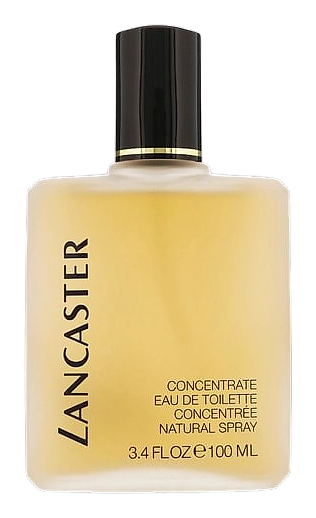
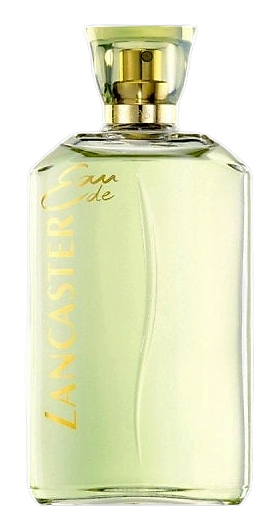
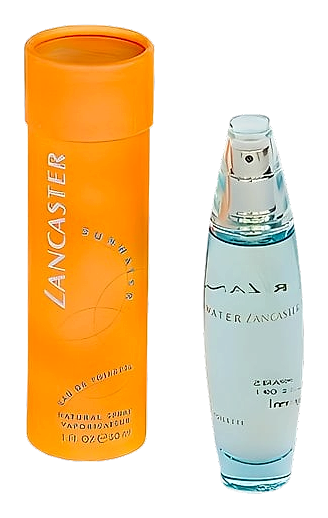
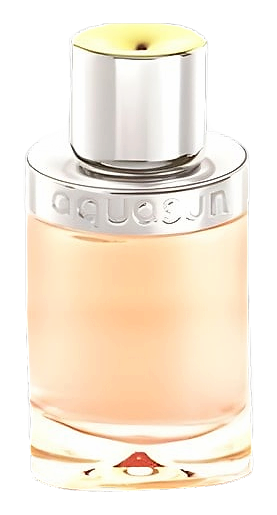
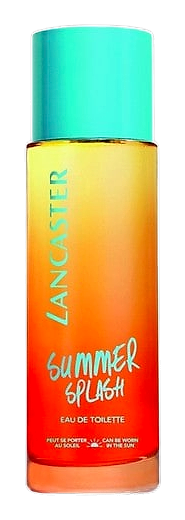
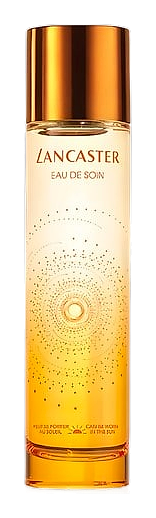
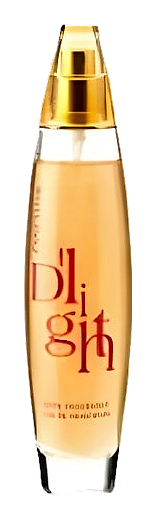
Lancaster was founded in 1946 as a cosmetics house, according to Fragrantica. The brand emerged in the post‑war period, a time when Italy’s beauty industry was rebuilding and seeking new ways to serve a growing market for personal care. Early on, Lancaster emphasized the development of products that could enhance and prolong natural beauty, a mission that has guided its evolution for more than seven decades. In 1977 the house released its first eponymous fragrance, Eau de Lancaster, marking a shift from pure cosmetics into the world of perfumery. The 1980s saw the introduction of Eau de Concentree (1987), a more concentrated scent that catered to consumers looking for longer‑lasting wear. The turn of the millennium brought a series of aquatic‑inspired releases, beginning with D'Light in 2003 and followed by Aquazur (2004), Aquasun (2005), and Aquasenses (2006). These fragrances captured a trend toward fresh, marine notes that resonated with a younger audience. In 2013 Lancaster added Summer Splash, a bright, citrus‑driven scent that reinforced the brand’s seasonal versatility. The 2015 launch of Sole di Capri introduced a sun‑kissed Mediterranean character, while Eau de Soin (2017) offered a softer, skin‑care‑inspired composition. Most recently, French Riviera (2019) celebrated the iconic coastline with a blend of citrus and aromatic herbs, underscoring Lancaster’s continued dialogue with its Italian heritage. Throughout its history, Lancaster has remained privately owned, allowing it to maintain a consistent creative direction without the pressure of public market expectations.
Craftsmanship
Lancaster’s production process blends traditional Italian perfumery techniques with modern manufacturing standards. The house works with both synthetic aroma chemicals and natural extracts, selecting each component for its stability, scent profile, and ethical sourcing. For aquatic collections such as Aquasenses, Lancaster reportedly partners with marine‑derived ingredient specialists to capture authentic sea‑breeze accords while ensuring that marine harvesting follows environmental guidelines. The brand’s laboratories conduct stability testing to guarantee that each fragrance maintains its intended character over time, a practice that aligns with industry norms for quality assurance. Packaging is produced in facilities that adhere to ISO 9001 standards, reflecting a commitment to consistent manufacturing processes. While Lancaster does not disclose the exact locations of its production sites, the company’s Italian roots suggest that much of the blending and bottling occurs within the country, benefiting from local expertise in fragrance creation. The house also invests in small‑batch testing, allowing perfumers to refine compositions before full‑scale release. This iterative approach helps preserve the intended balance of notes, especially in complex scents like French Riviera, where citrus, herbs, and marine elements must coexist harmoniously. Overall, Lancaster’s craftsmanship rests on a blend of careful ingredient selection, rigorous testing, and a respect for the tactile experience of the final product.
Design Language
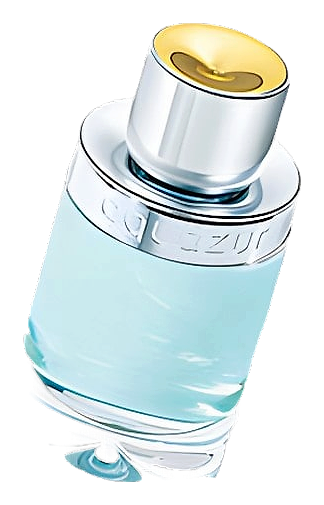
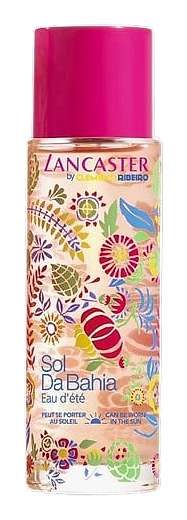
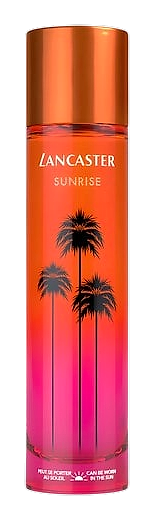
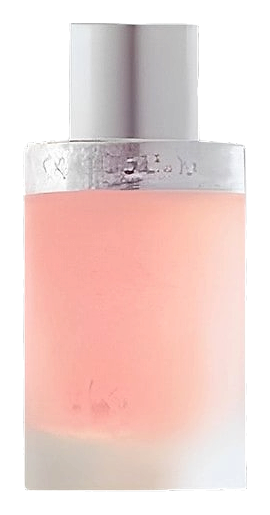
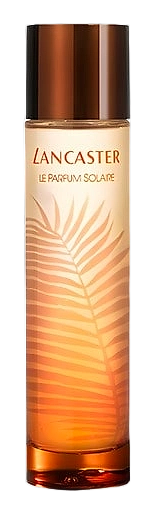
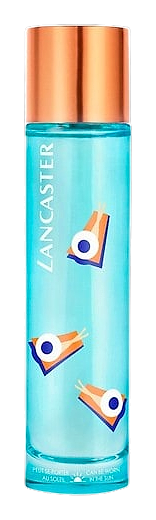
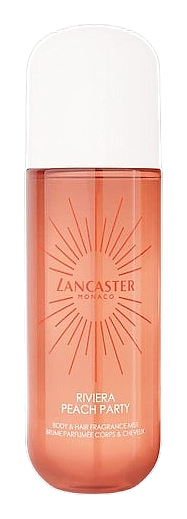
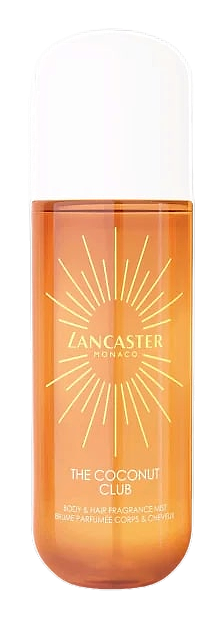
Lancaster’s visual identity leans toward clean lines and understated elegance. Bottle designs typically feature clear or lightly tinted glass that showcases the perfume’s colour, paired with simple metal caps that bear the brand’s name in a classic serif font. The label layout avoids excessive ornamentation, instead using subtle embossing or foil stamping to convey a sense of refined quality. Seasonal releases often incorporate colour cues that echo the scent’s inspiration – for example, Aquazur employs a turquoise hue to suggest oceanic freshness, while Sole di Capri uses a warm amber tone reminiscent of a Mediterranean sunset. Advertising imagery frequently depicts sun‑lit coastlines, breezy gardens, or minimalist interiors, reinforcing the brand’s narrative of natural beauty enhanced by fragrance. Typography across print and digital media remains consistent, favoring a balanced sans‑serif for body copy and a stylized script for the logo, creating a cohesive brand language that feels both contemporary and timeless. This aesthetic strategy supports Lancaster’s positioning as an accessible yet sophisticated choice for everyday fragrance wear.
Philosophy
Lancaster’s creative vision centers on the idea that fragrance should be an extension of one’s natural presence rather than a mask. The brand states that its primary concern is to develop products that enhance and prolong natural beauty, a principle that informs both scent composition and marketing tone. Lancaster favors ingredients that evoke familiar environments – from the Mediterranean sun to the calm of the sea – aiming to create olfactory moments that feel both personal and universally resonant. The house values durability and comfort, designing fragrances that linger without overwhelming the wearer. Sustainability appears in its recent statements, with the brand noting a gradual shift toward responsibly sourced raw materials and recyclable packaging, though specific certifications are not publicly detailed. Lancaster also emphasizes accessibility, positioning its scents at price points that allow a broader audience to experience a refined fragrance experience without the exclusivity often associated with high‑end niche houses. This balance of quality, approachability, and respect for natural beauty defines the brand’s ongoing philosophy.
Key Milestones
1946
Lancaster cosmetics house founded in Italy
1977
Launch of Eau de Lancaster, the brand’s first perfume
1987
Introduction of Eau de Concentree, a more intense fragrance
2004
Aquazur released, marking the start of the aquatic line
2006
Aquasenses added to the collection, expanding marine notes
2015
Sole di Capri launched, evoking Mediterranean sunshine
At a Glance
Brand profile snapshot
Origin
Italy
Founded
1946
Heritage
80
Years active
Collection
1
Fragrances released
Avg Rating
4.3
Community sentiment
Release Rhythm


