The Story
Why it exists.
The beginning
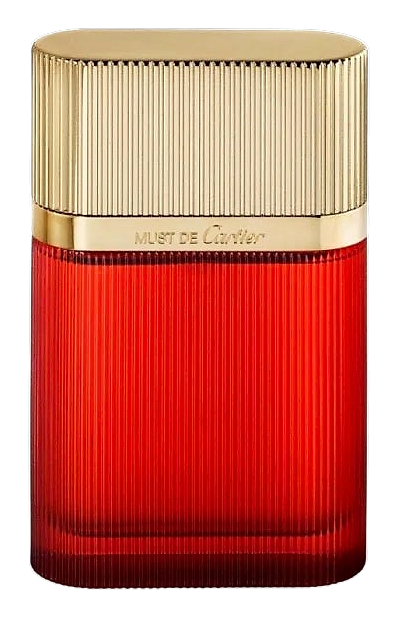
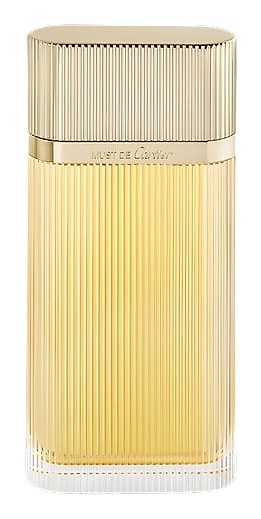
In 2015, Mathilde Laurent reached for something counterintuitive: take the sharp, almost astringent green of galbanum and let it dissolve into vanilla gold. The Must de Cartier line had always been about contrast, elegance and excess, precious materials rendered wearable. Must de Cartier Gold continued that tradition, but with a quieter ambition. Not the splashy statement of the original, but something more specific: the hour when green leaves turn amber in late afternoon light.
What makes this composition unusual is the osmanthus. Not a common note in Western perfumery, it carries a peachy-apricot softness that bridges the green opening and the warm vanilla base without ever announcing itself. Jasmine does the quiet work of keeping everything lifted, preventing the vanilla from pulling too heavy. The result is a fragrance that behaves like a gradient, you don't notice when the green ends and the warmth begins.
The evolution
The opening arrives crisp, almost medicinal in its clarity. Galbanum doesn't mess around. For the first twenty minutes, it's the dominant, green, slightly bitter, the smell of stems just cut. Then the osmanthus begins to surface, not replacing the green but softening it from within. The jasmine follows, lifting the composition into something more floral, more feminine without tipping into sweetness. By the second hour, the vanilla announces itself, not as a climax but as a conclusion, inevitable and warm. The drydown lasts on most skin types through the evening, clinging close, intimate, the kind of presence that doesn't announce itself but leaves an impression.
Cultural impact
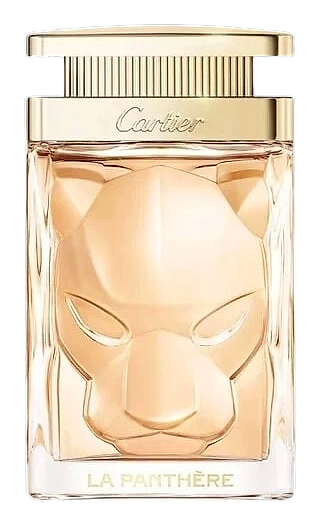
Must de Cartier Gold occupies an unusual position in the Cartier wardrobe, neither as bold as La Panthère nor as intimate as Déclaration. It's the fragrance for someone who wants the house's refinement but prefers to keep it close. The green-vanilla pairing has earned a devoted following among those who find most florals too predictable, and a few skeptics who find the opening too austere. What both groups agree on: the drydown is exceptional.