
The Story
Why it exists.
The beginning
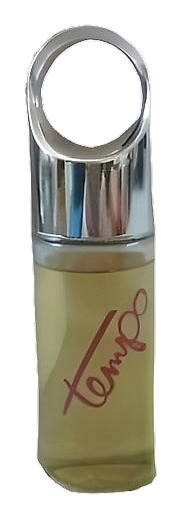
Tempo arrived in 1978 as part of Avon's fragrance catalogue during an era when chypre ruled. The brand's direct-selling model had made scent personal and approachable since 1886, and Tempo fit that spirit, a bold, complex composition accessible to anyone who wanted it, not just those with access to exclusive counters. While Avon's reps were building relationships door to door, Tempo was building something else: a statement made of aldehydes, moss, and something the brand quietly called civet. No celebrity endorsement, no fashion house partnership. Just a bottle with ambition and the notes to back it up. It was known as Style in the UK, a different name for a different market, same uncompromising character underneath. What the perfumer was reaching for is clear from the result: a chypre that didn't sand down its edges.
The structure is what makes Tempo stand out among 70s chypres. Aldehyde and citrus open clean, almost bracing, that cold sparkle that signals modernity, the kind of note that says a woman of her moment. Then rose and jasmine bloom in the heart, but iris is the quiet anchor here, adding powdery depth that prevents the florals from floating away entirely. The base is where Tempo earns its reputation. Moss grounds everything into damp earth. Benzoin and labdanum add sticky resinous warmth. Civet, present and unapologetic, brings animalic warmth that modern interpretations often soften or remove. This is not a polite fragrance. It wears its earthiness as a feature, not a flaw.
The evolution
The opening hits clean, aldehydes first, that cold metallic brightness like frost on glass, then citrus cutting through with sharp sparkle. The aldehydes don't fade quickly. They linger, giving the first hour a polished, almost powder-clean quality that citrus lifts into something brighter. Then the florals take over. Rose and jasmine arrive warm and full, but the iris is the steady hand here, adding powdery violet sweetness and a faintly earthy undertone that keeps the heart from going light. There's a green quality beneath the petals, not herbal, more waxy, like crushed stems. The drydown is where Tempo shows its true character. Moss pulls everything down into damp earth, fern, and fallen leaves. Labdanum adds a sticky resinous amber. Benzoin warms the base with vanilla-adjacent sweetness. And civet, the note most houses soften today, arrives warm, close, and genuinely animalic. Not aggressive. Just present. Musk amplifies everything, making the whole composition intimate and skin-close. What lingers into the final hours is moss, warm skin, and a ghost of aldehyde.
Cultural impact
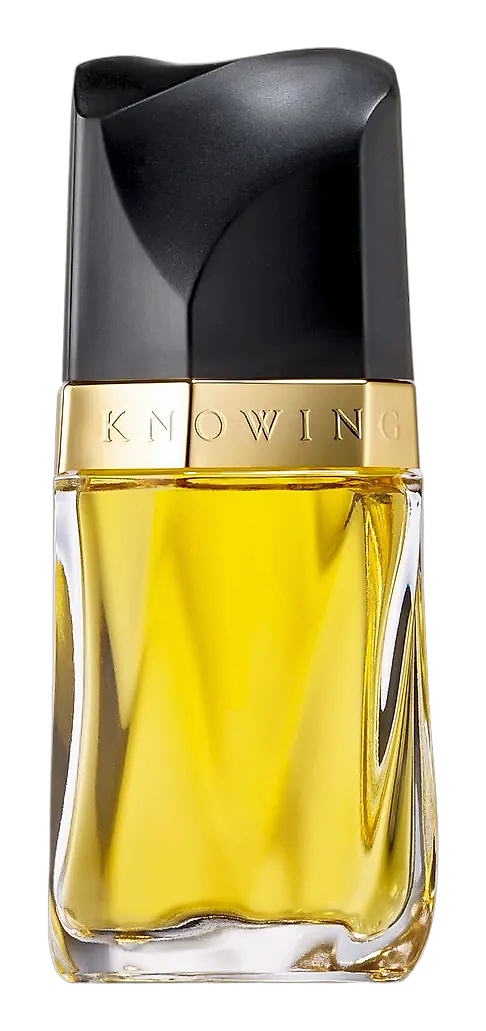
Tempo launched in 1978, a decade when chypre florals were the defining language of serious women's fragrance. Estée Lauder Knowing, Clinique Aromatics Elixir, Rochas Madame, this was the company Tempo kept. What set it apart was the aldehyde brightness meeting unapologetic moss and civet. Not a polite floral. A real one. Among Avon collectors and chypre enthusiasts, Tempo has earned a following precisely because it doesn't soften itself for comfort.