The Story
Why it exists.
The beginning
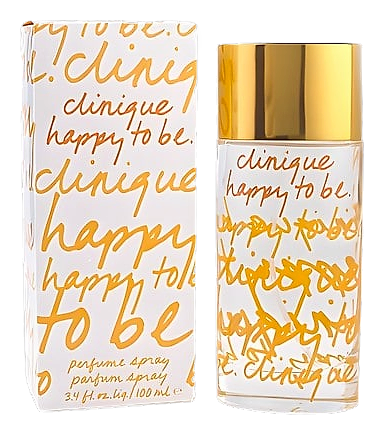
Happy to Be launched in 2005. The name says it: Happy to Be. Not happy, period. Happy to be here, happy to be noticed, happy to be the version of yourself that lingers a little longer in a doorway. Olivier Cresp composed this one. He works with a softer hand here than in some of his other creations, trading heavy sweetness and dense base notes for something lighter and more transparent. The watery notes and pale florals feel intentional, chosen to create a scent that reads happy without shouting. There's a deliberate restraint in how the composition moves from the cold, almost mineral opening into the warmer middle and back down into a quiet base. What stands out about Happy to Be is how it manages to feel both simple and considered at the same time.
What's interesting is the base note pairing. Cacao and sandalwood is an unusual anchor for something billed as fresh and floral. The cocoa here adds a faintly bitter, almost milky undertone that keeps the sweetness from tipping into cloying. It's a structural choice, not a flavor. The sandalwood does the work of making the whole thing feel grounded rather than fleeting. Together, they give Happy to Be a quiet depth that lingers close to skin long after the brighter notes have faded.
The evolution
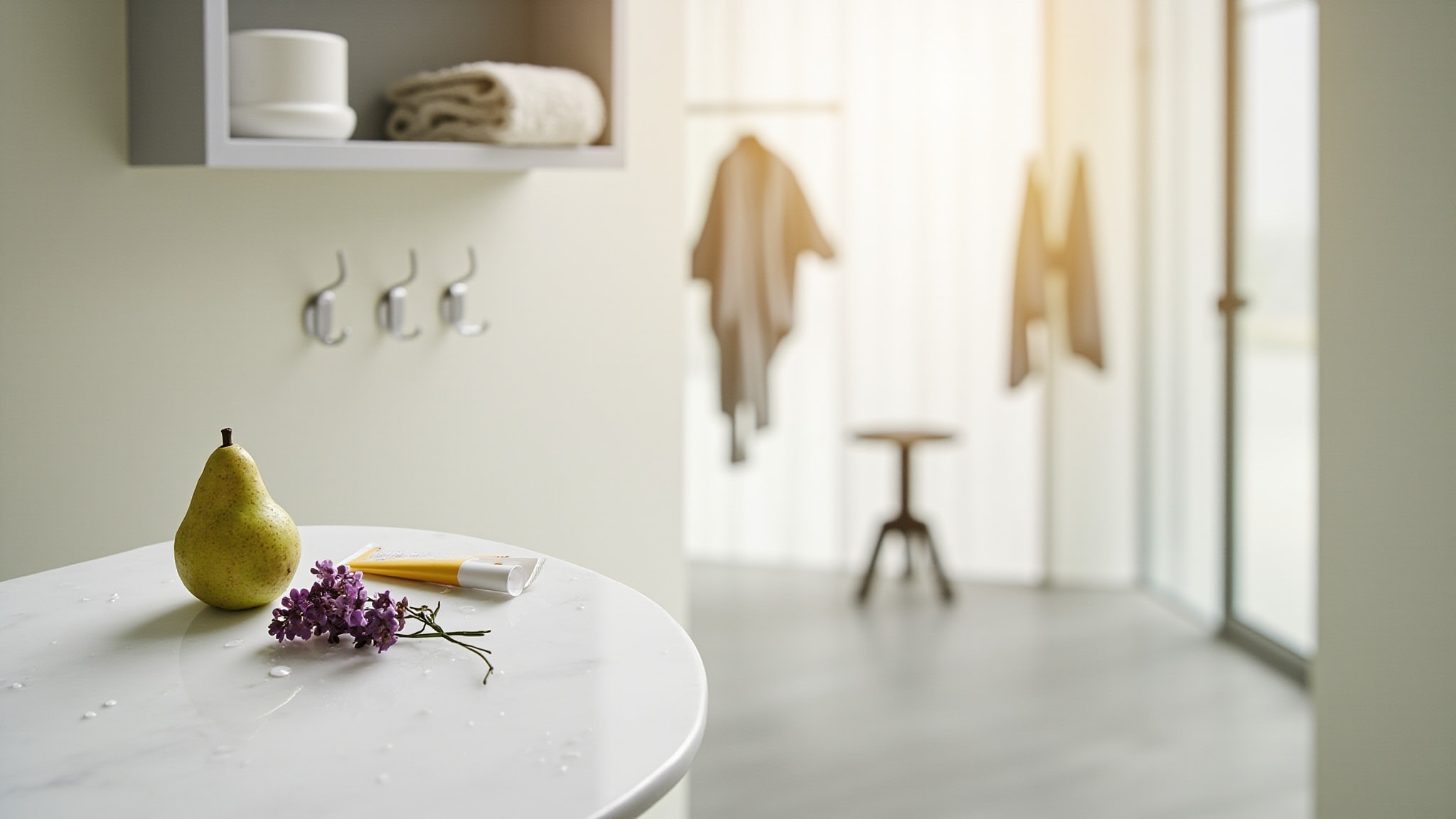
The opening belongs to water and pear. It's cold, almost mineral, like the first breath on a chilly morning. Then lilac steps in, followed by hibiscus and rose, and the whole thing warms. The aquatic sharpness softens into something that smells more like skin than like air. As the hours pass, the base starts showing up. Sandalwood arrives first, creamy and quiet. The cacao follows, not as chocolate but as a soft, dusty warmth that sits underneath the florals rather than replacing them. Eventually you're mostly smelling sandalwood, faint cocoa, and the ghost of rose. On a sweater the next morning, you'll catch traces of sandalwood and that cocoa warmth. The pear and florals are gone. What's left is soft, woody, and unexpectedly cozy for something that opened so cold. The drydown is where Happy to Be reveals its truest self.
Cultural impact
Happy to Be arrived in 2005, a moment when aquatic-florals were everywhere on department store counters. It joined a wave of compositions that traded on cool, watery openings and soft, sheer florals, scents designed to smell clean, modern, and easy. What sets Happy to Be apart within that context is its base. The pairing of cacao and sandalwood gives it a grounding quality that many of its contemporaries lack. Where some compositions in the aquatic-floral category feel fleeting, almost transparent from start to finish, Happy to Be lingers. The drydown is warm, soft, and close to skin, the kind of finish that rewards patience.