The Story
Why it exists.
The beginning
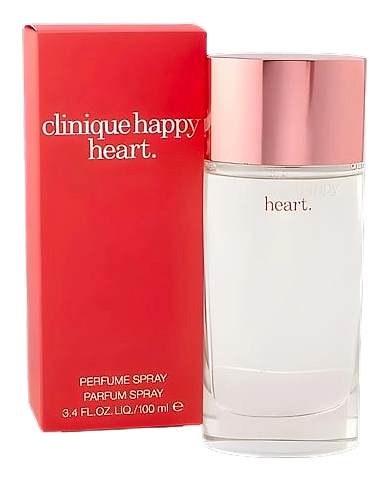
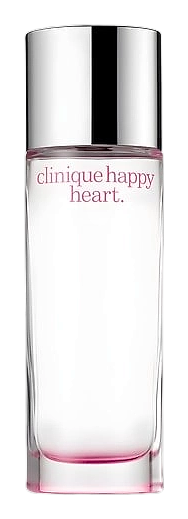
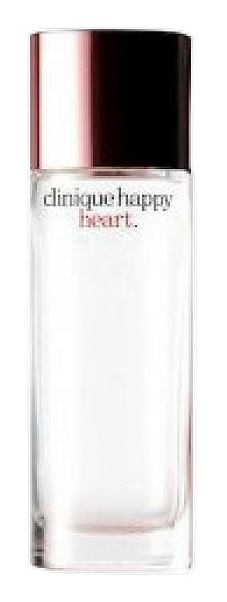
Happy Heart arrived in 2003 as a sibling to Clinique's flagship Happy, extending the line into territory the original hadn't covered. The composition takes the Happy family's brightness and pulls it somewhere softer. The result leans aquatic and green rather than citrus-forward. Mandarin and cucumber do the opening work, the mandarin offering a softer sweetness while the cucumber brings a cool, vegetal snap. Water hyacinth and carrot seed hold the middle, layering a watery florality over an earthy, slightly herbal undertone that gives the heart its weight. Sandalwood anchors everything in something wearable enough for a Tuesday but pretty enough for a first date.
What makes Happy Heart structurally interesting is how clean and gentle it manages to be at the same time. Cucumber and water hyacinth work together as unusual choices for a women's floral, both materials that read more like spa or skincare ingredients than perfume notes. Carrot seed adds an earthy, slightly herbal undertone that grounds the composition's aqueous tendencies. The sandalwood base keeps it from floating away, which matters for a fragrance built around materials that tend to evaporate quickly.
The evolution
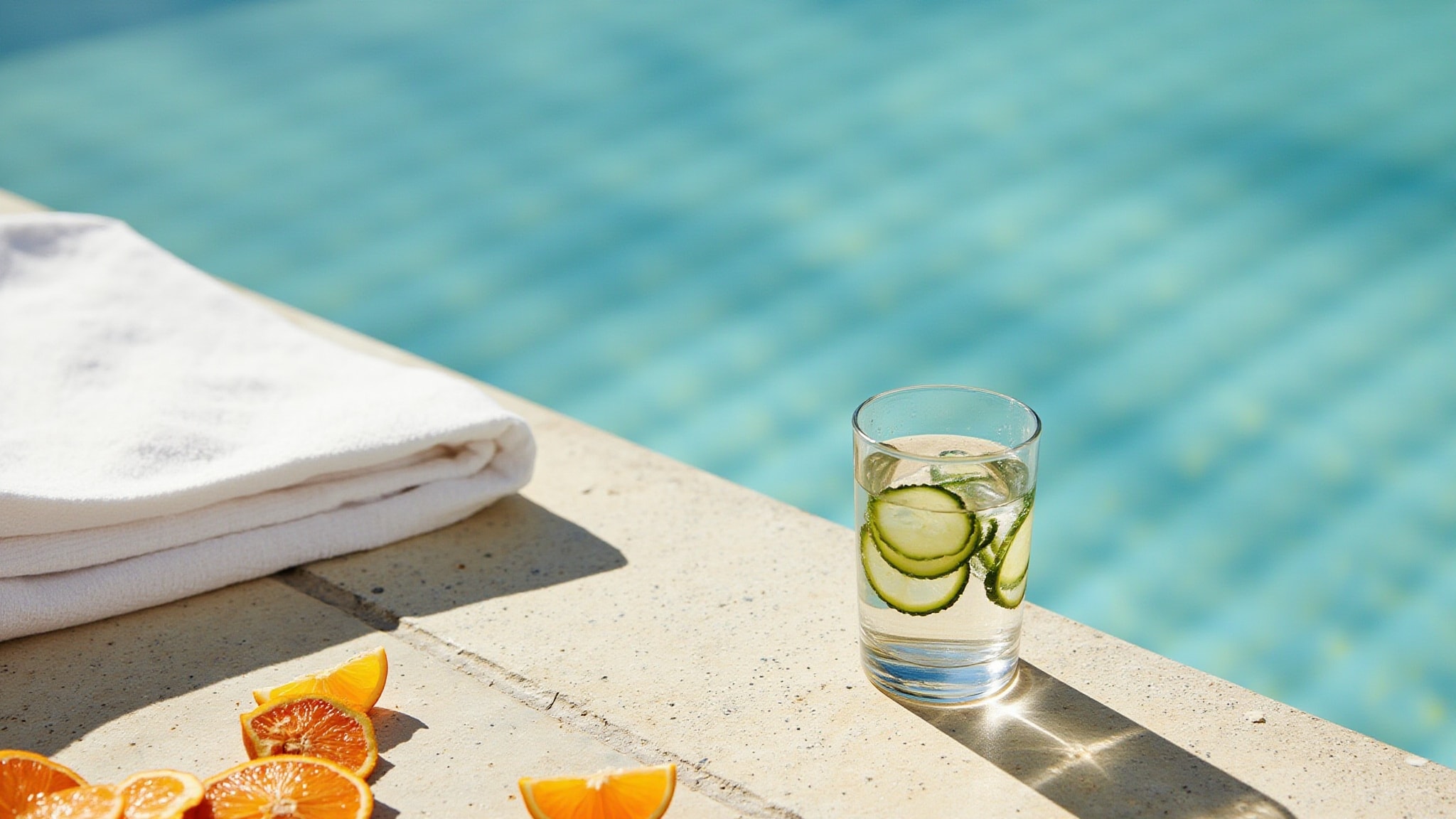
The first ten minutes are almost startling in their crispness. Cucumber hits first, sliced and cold, followed quickly by mandarin's softer citrus sweetness. Cassia threads through quietly, adding a faint warmth that keeps the opening from reading as a pure spa product. Within twenty minutes, the water hyacinth arrives and changes the temperature. The fragrance becomes wetter, greener, more like the inside of a glass conservatory than a beach. Carrot seed surfaces during the second hour, giving the heart a slightly herbal, rooty undertone that prevents the aquatic accord from becoming flat or one-dimensional. By hour three, the sandalwood has taken over. It's not a dramatic sandalwood. It's the soft, almost creamy kind that lingers on a scarf the day after, the sort of woody presence that feels more like memory than statement.
Cultural impact
Happy Heart found its audience among wearers who wanted a floral that didn't perform femininity loudly. The fragrance's green, watery character set it apart from heavier releases of its era, offering a different kind of romantic register that felt restrained rather than declarative. Its continued presence on shelves speaks to a quiet loyalty, the kind built on trust and repetition rather than hype. Wearers return to it for the same reason they return to any reliable favorite: it delivers what it promises, every time, without trying to be something it isn't.
The House
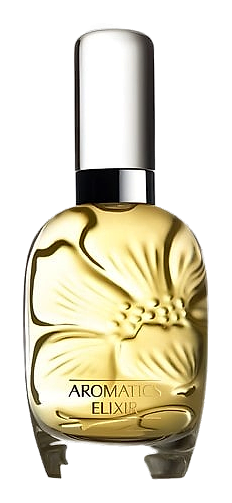
CliniqueClinique entered the fragrance world through the Estée Lauder Companies in 1968, bringing its dermatological expertise to perfume creation. Rather than positioning itself as a traditional perfumery house, Clinique applied its clinical background to fragrance development, emphasizing scientific rigor alongside sensory appeal. The brand's Aromatics Elixir, launched in 1975, became its signature scent and remains in production as one of the oldest continuously sold women's fragrances from a major cosmetics company. Clinique's fragrance portfolio spans multiple decades, with notable releases including Aromatics Elixir Premier (2017), the Perfumer's Reserve series (2011), and the Happy collection that began in 2002. The brand operates as a subsidiary of Estée Lauder Companies, combining pharmaceutical-inspired formulation principles with accessible luxury positioning.
The Creator
Christophe LaudamielChristophe’s signature technique blends rigorous molecular research with theatrical staging. He favors crisp citrus, marine accords, and bright aromatics, then anchors them with unconventional synthetics that add depth.