The Story
Why it exists.
The beginning
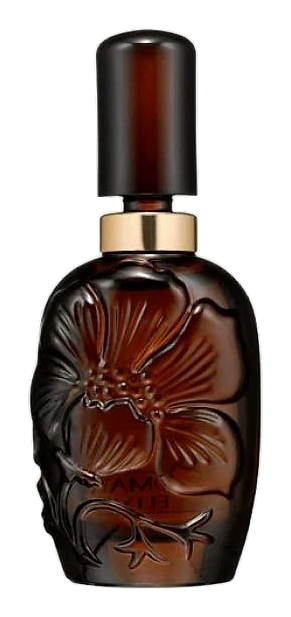
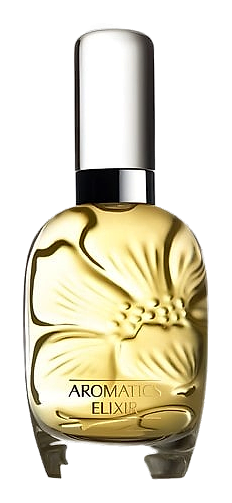
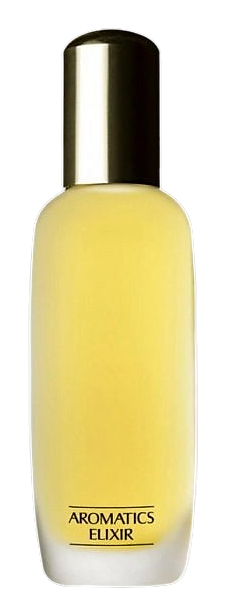
Bernard Chant composed Aromatics Elixir in 1971, and the timing mattered. He layered carnation, jasmine, rose, and tuberose over a green-herbal opening of chamomile, clary sage, and coriander. A base of oakmoss, patchouli, frankincense, and sandalwood anchored everything in earth. The herbal opening reads almost medicinal at first contact, sharp and herbaceous, with coriander slicing through chamomile and clary sage like a green blade. The florals don't wait politely. Carnation pushes its clove-spice warmth forward, jasmine adds its dense sweetness, and rose-tuberose builds a powdery heart that settles into the mossy base with unusual weight. Oakmoss grounds the composition in something damp and ancient, while patchouli adds its earthy hum.
What makes the structure unusual is the density of the chypre backbone relative to the floral heart. Aromatics Elixir stacks carnation against jasmine, rose against tuberose, ylang-ylang against orange blossom. Six florals fighting for space, and the spicy-green opening and mossy base refuse to recede. The accord holds together through sheer structural discipline, each layer pulling weight from the notes around it. The spicy carnation and indolic jasmine create tension that the softer rose and tuberose try to mediate.
The evolution
The first 15 minutes are the most divisive moment. Chamomile and clary sage lead with an almost medicinal quality, herbaceous and sharp. Coriander adds a green peppery bite. Vervain and bergamot try to lift it, but the herbal gravity pulls back down. Rosewood softens the edges with its woody warmth. By the 30-minute mark, the florals begin their takeover, and they don't arrive politely. Carnation brings its clove-spice warmth, jasmine adds indolic sweetness, and the rose and tuberose build a dense floral heart. Orange blossom and ylang-ylang push it toward golden, their honeyed sweetness filling the spaces between the heavier blooms. Orris root adds its powdery iris depth, grounding the florals with a cool violet-tinged earthiness. The drydown is where Aromatics Elixir earns its longevity reputation.
Cultural impact
Aromatics Elixir has cult status among chypre loyalists who remember when oakmoss compositions held pride of place in perfumery. The fragrance wears as a vintage choice, a statement that doesn't apologize for its intensity. Modern reformulations across the chypre category have shifted under regulatory pressure, which has only deepened the reverence for original bottles and the parfum strength. Collectors prize the older concentrations for the way the oakmoss and patchouli retain their full earthy weight, and the floral heart still carries its clove-spiced carnation and indolic jasmine without compromise.
The House
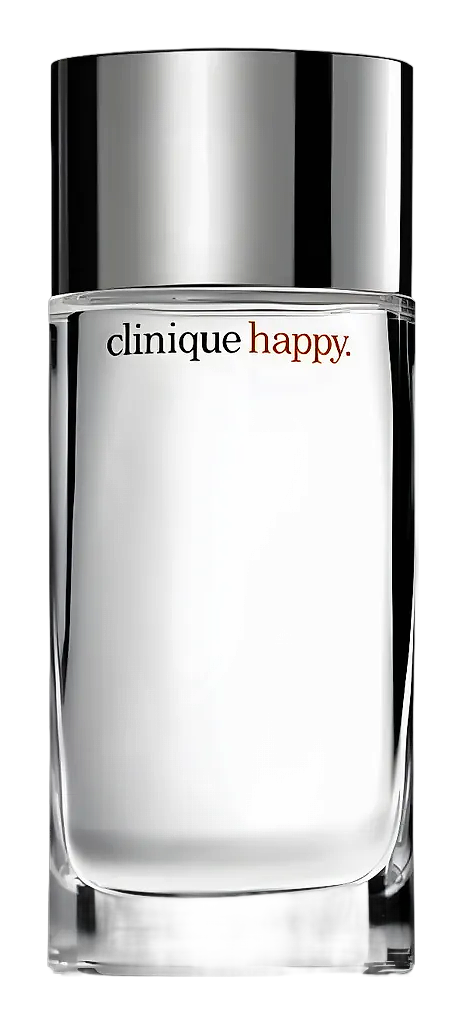
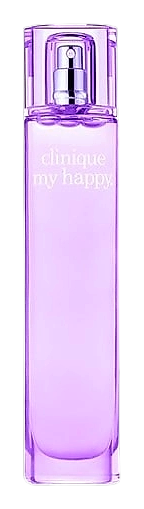
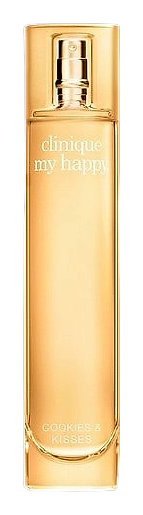
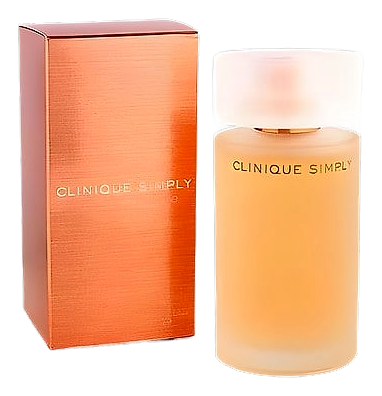
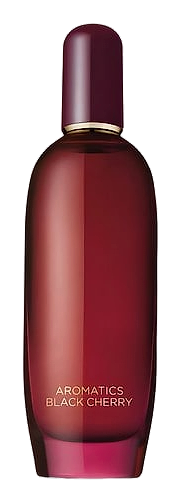
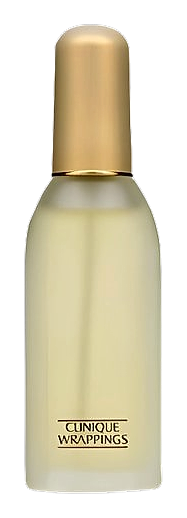
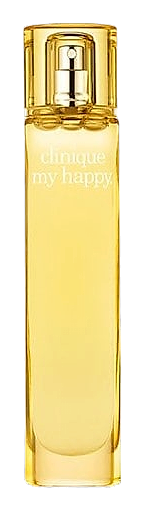
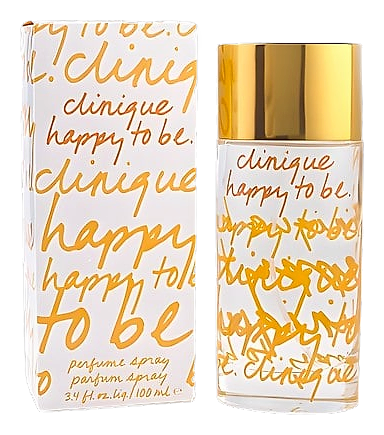
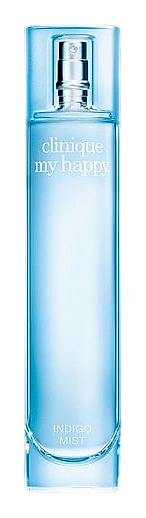
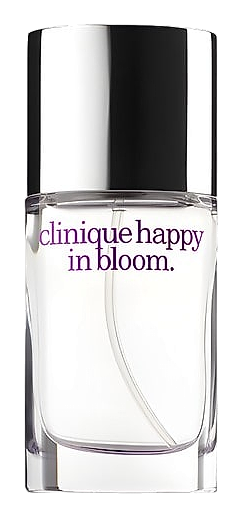
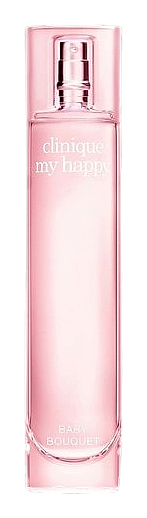
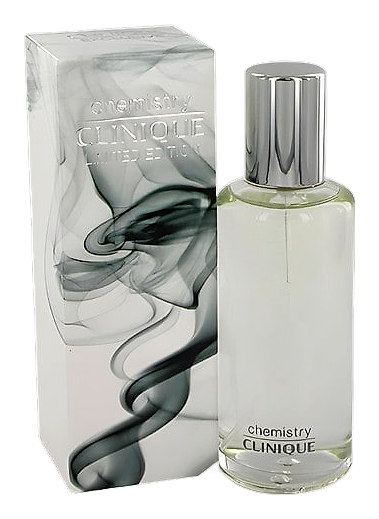
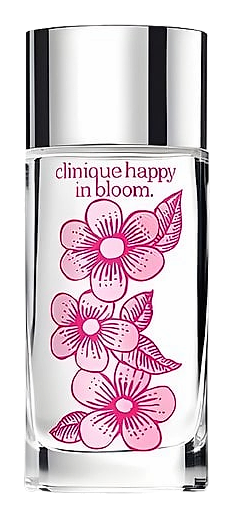
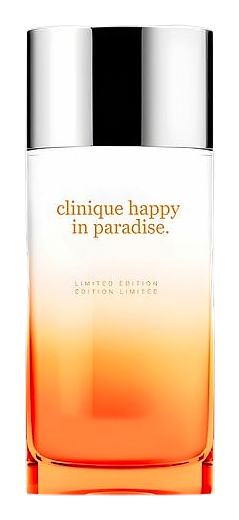
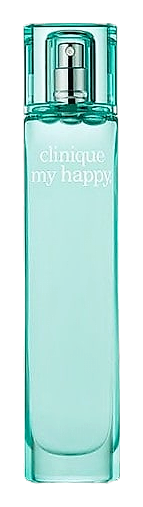
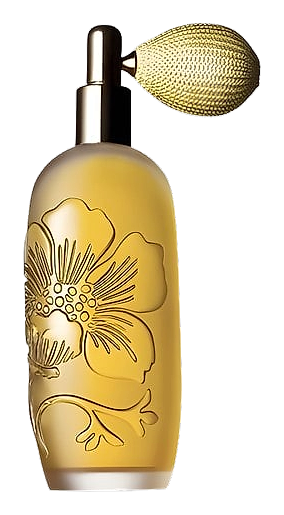
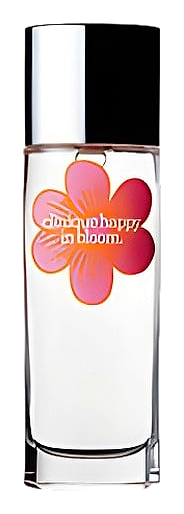
CliniqueClinique entered the fragrance world through the Estée Lauder Companies in 1968, bringing its dermatological expertise to perfume creation. Rather than positioning itself as a traditional perfumery house, Clinique applied its clinical background to fragrance development, emphasizing scientific rigor alongside sensory appeal. The brand's Aromatics Elixir, launched in 1975, became its signature scent and remains in production as one of the oldest continuously sold women's fragrances from a major cosmetics company. Clinique's fragrance portfolio spans multiple decades, with notable releases including Aromatics Elixir Premier (2017), the Perfumer's Reserve series (2011), and the Happy collection that began in 2002. The brand operates as a subsidiary of Estée Lauder Companies, combining pharmaceutical-inspired formulation principles with accessible luxury positioning.
The Creator
Bernard ChantChant's signature lies in the patchouli powdered chypre, a structure he mastered with particular elegance. His compositions feature rich, complex layering where individual notes remain distinguishable even within dense formulations.