The Story
Why it exists.
The beginning
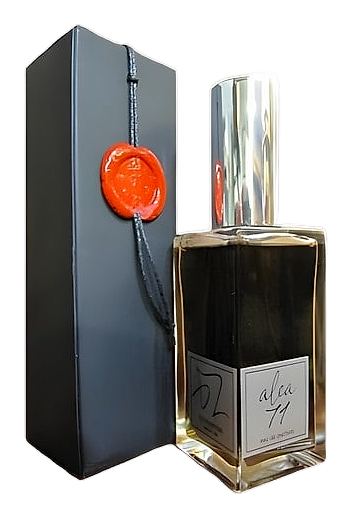
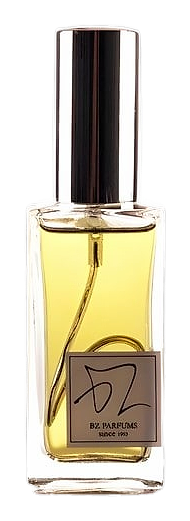
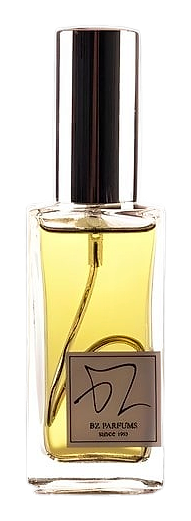
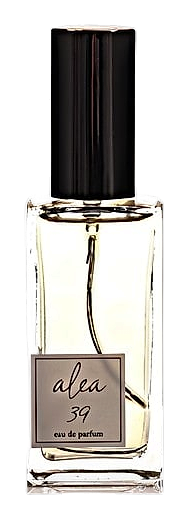
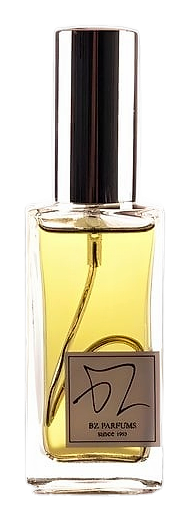
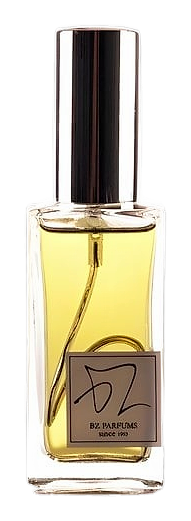
Alea 72 is built around a numbered fragrance series, with Bogdan Zubchenko behind its composition. Its identity lives in that deliberate specificity: a catalogued fragrance for people drawn to a distinct point of view rather than a familiar origin story. The notes make that precision tangible. Aldehydes, bergamot, galbanum, green notes, and lime create a brisk, aromatic opening. Iris and lilac bring a composed floral center, their soft textures tempered by the sharper green character around them. Below them, oakmoss, patchouli, civet, vetiver, amber, musk, sandalwood, and vanilla build a chypre floral with a darker, more tactile center. The composition moves with clarity and contrast, opening brightly, turning floral, then settling into an earthy base.
The unusual part of Alea 72 is the way green and powdery materials refuse to stay polite. Galbanum gives the opening a resinous snap, while hedione brings an airy floral lift beneath it. Iris and lilac soften that brightness without making it innocent. As the composition dries down, oakmoss and patchouli pull it toward earth, civet introduces a distinctly sensual texture, and vetiver adds a dry earthen edge. Sandalwood, amber, vanilla, and musk then round the base without erasing that tension. It is a chypre floral built around contrast: cold brightness above, tactile warmth below, with the green accord acting as the hinge.
The evolution
The opening arrives with a clean snap. Aldehydes, bergamot, lime, galbanum, and green notes create the impression of crushed leaves in cold air, bright and almost metallic. That sharpness is quickly interrupted by hedione and the powdery floral character of iris and lilac, with geranium adding a green floral lift. The middle feels less like a bouquet than a room where polished wood meets damp moss. As it dries, the composition turns earthier and more sensual. Patchouli and vetiver deepen the base, oakmoss sharpens its forest floor character, and civet gives it a warm skin-like texture. Sandalwood smooths the edges, while amber, vanilla, and musk leave a soft, lasting trace. As the fragrance settles on skin, it reads like a quiet woody chypre, still green at heart.
Cultural impact
Alea 72 is defined by its chypre floral structure and unisex presentation. Its opening combines aldehydes, bergamot, galbanum, green notes, and lime for a crisp, aromatic impression. Iris, lilac, hedione, and geranium introduce a composed floral heart, while oakmoss, patchouli, civet, vetiver, sandalwood, amber, musk, and vanilla give the fragrance its darker, tactile foundation. The result is a layered composition that invites attention to the interaction of bright greens, soft florals, damp woods, and warm textures. Explore Alea 72 for the way each stage changes the scent, from its brisk opening to its quietly sensual dry-down.
The House
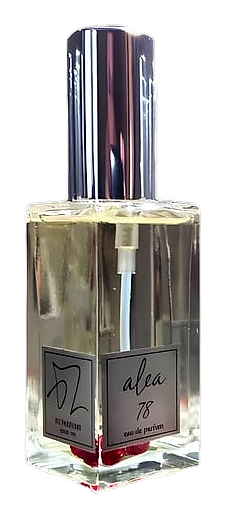
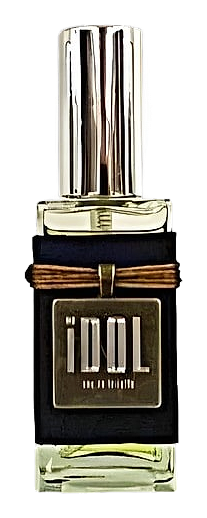
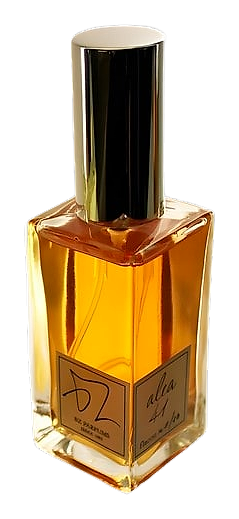
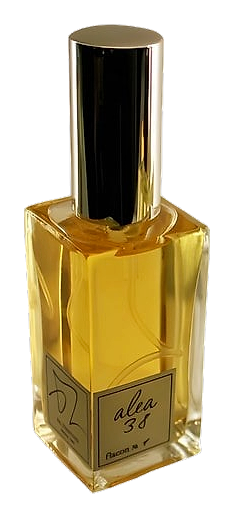
BZ ParfumsBZ Parfums is a fragrance house distinguished by its Alea collection, a numbered series of perfumes released primarily between 2010 and 2019. The collection includes releases such as Alea 71 (2011), Alea 72 (2010), Alea 77 Dekhtiari (2016), and Alea 78 Porichka (2015), among others. The brand also produced Mr. Idol and the more recent alea 57 Dyvo (2019). The nomenclature within the Alea series, particularly the inclusion of specific names like Dekhtiari, Porichka, and Dyvo, suggests cultural influences drawn from Turkish, Slavic, and Ukrainian linguistic traditions. BZ Parfums does not appear to have a publicly identified perfumer credited across its releases, and independent verification of the brand's founding details, headquarters, or background remains unavailable in accessible sources.
The Creator
Bogdan ZubchenkoZubchenko's compositions favor depth and complexity over linear development. He draws on classic perfumery structures while pushing materials into unexpected combinations.