

The Story
Why it exists.
The beginning
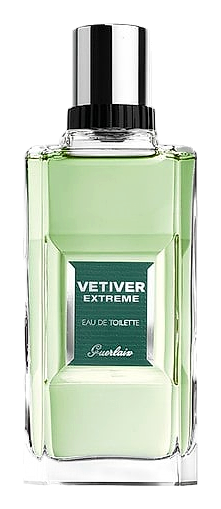
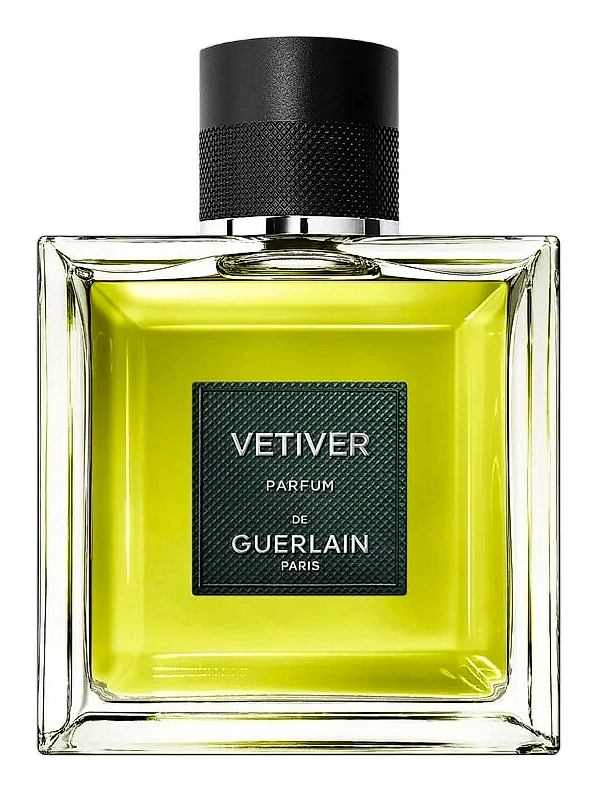
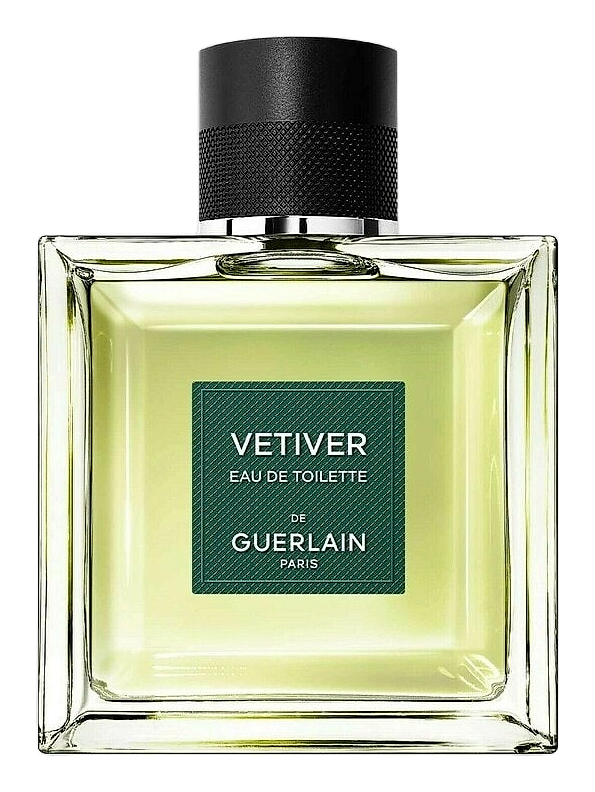
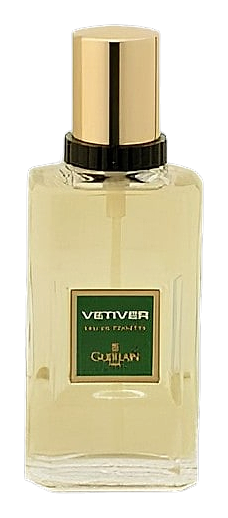
Jean-Paul Guerlain created Vetiver in 1959. The fragrance placed the raw, earthy root at its heart, the kind that carries the scent of rain on dark soil, mineral, clean, alive. He built around it with bright citrus and a whisper of tobacco, letting the vetiver lead from the first hour to the last. The citrus opens like a flash of morning light, sparkling over a deep, slightly smoky mineral core. As the minutes pass, the tobacco adds a subtle, slightly sweet richness, rounding the edges without overshadowing the vetiver's grounded presence. The blend feels like a stroll through a damp garden at dawn, the air crisp and the earth underfoot damp, each breath revealing a new facet of the composition.
What makes this work is the balance at the heart. Vetiver brings earth and texture. Tobacco brings warmth and weight. Nutmeg and black pepper arrive late but stay longest. The citrus doesn't disappear, it evolves, softening into the composition rather than burning off. On some skin, the tobacco deepens. On others, the vetiver stays brighter, greener. Either way, the drydown rewards patience. The spiced warmth that lingers close to the skin is the point, not an afterthought.
The evolution
The opening hits bright and clean, citrus, mineral, the cool clarity of water over roots. Within the first hour, the heart takes over. Tobacco and vetiver wrap around the initial spark, transforming it into something quieter and more assured. The aromatic character doesn't shout. It settles, spreading across the skin like a soft, muted chord. Later, the drydown arrives, revealing warm spice and a hint of black pepper that mingles with the lingering tobacco, creating an intimate, close-to-the-skin warmth. The vetiver never fully leaves. It simply sinks deeper, anchoring the scent with a grounded, earthy finish that lingers gently.
Cultural impact
Launched in 1959, it kept showing up. There's something about a fragrance that doesn't need to announce itself that makes the people who notice it lean in closer. Over the years, the scent has maintained a quiet presence in the world of masculine fragrance, its subtle vetiver core drawing those who appreciate understated elegance. It continues to appeal to wearers who value a composition that whispers rather than shouts, inviting curiosity and a sense of discovery with each wearing.
The House
GuerlainGuerlain stands as one of the oldest and most revered perfume houses in the world, founded in Paris in 1828 by Pierre-François-Pascal Guerlain. What began as a boutique on rue de Rivoli quickly became the preferred destination for Parisian society, attracting dandies and elegant women who sought custom-crafted fragrances. The house's influence grew to such heights that Guerlain earned the title of Official Perfumer to Napoleon III after presenting Eau de Cologne Impériale to Empress Eugénie as a wedding gift in 1853. This royal patronage marked the beginning of Guerlain's enduring association with European aristocracy, as the house went on to create fragrances for Queen Victoria and Queen Isabella II of Spain. Today, under the creative direction of Thierry Wasser, the fifth-generation perfumer, Guerlain continues to shape the landscape of fine fragrance with a portfolio spanning over 1,100 olfactory creations. The house remains headquartered at its legendary Champs-Élysées mansion, a historic monument that anchors Guerlain's position at the intersection of heritage and contemporary luxury.
The Creator
Jean-Paul GuerlainJean-Paul Guerlain's style resists easy categorization, though richness and depth define nearly every composition. He favored opulent oriental structures, warm woods and resins, and florals treated with almost sculptural precision.