
The Story
Why it exists.
The beginning
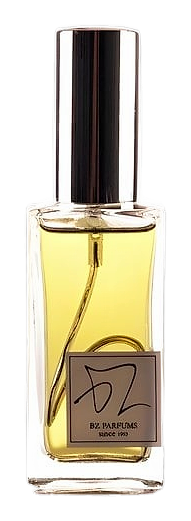
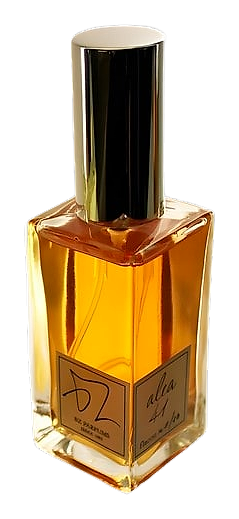
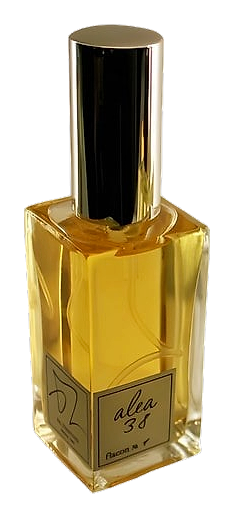
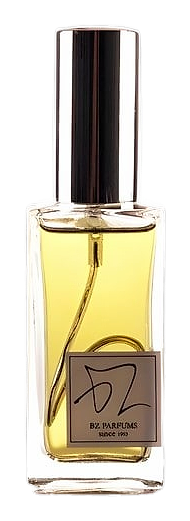
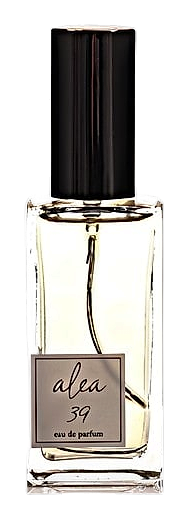
Alea 39 arrived in 2012 from Bogdan Zubchenko, a name attached to this release and the hand behind its balance. There isn't a documented muse here, no origin country, no founder's anecdote. What there is: a numbered entry in BZ Parfums' Alea series, a catalogue of compositions released mostly between 2010 and 2019. The naming convention alone tells you how this house thinks. Numbers, specificity, an editorial eye for the unusual. Alea 39 carries no descriptive name at all, which makes the number the entire identity. That's either a blank page or a dare. Either way, the notes answer clearly.
The construction is the interesting part here. Aldehydes open things out, giving the first breath a metallic brightness that reads more modern than the Turkish rose at its center might suggest. Hibiscus and osmanthus bring a floral transparency, almost papery, while neroli adds a citrus lift that keeps the opening from feeling heavy. Vetiver sits directly beneath the rose, pulling the composition toward something earthy and grown-up. What makes this distinctive is the friction between the soft floral materials and the dry, almost architectural green underneath them.
The evolution
The opening arrives with a chill to it. Aldehydes and neroli put a bright, almost metallic edge on the first few minutes, and the florals drift through like light through a window. Then the heart settles in and the temperature changes. Turkish rose opens up, fuller and more tactile than expected, while vetiver keeps a steady dry note running underneath so it never turns into sugar. That's the pivot. The composition stops being about brightness and becomes about texture. By the drydown, sandalwood has taken over as the backbone, smooth and faintly creamy, while amber and labdanum add a warm resinous depth that reads almost amber-lit. Musk wraps the whole thing close to the skin. What lingers hours later isn't the rose or the neroli, it's the woody warmth underneath, soft sandalwood with a shadow of vetiver and a whisper of amber. On fabric the next morning, it flattens into a warm skin scent, gentle and faintly powdery.
Cultural impact
Alea 39 belongs to a house that sits outside mainstream fragrance conversation, which is exactly the point. The numbered series format treats scent as curation rather than celebrity, and the naming conventions carry Eastern European and Eurasian registers rather than the usual French or Italian perfume vocabulary. That cultural position attracts the wearer who reads a fragrance label like a catalogue entry, not a billboard. For anyone used to numbered niche releases with specific cultural names and no broad market appeal, this sits naturally alongside that shelf.
The House
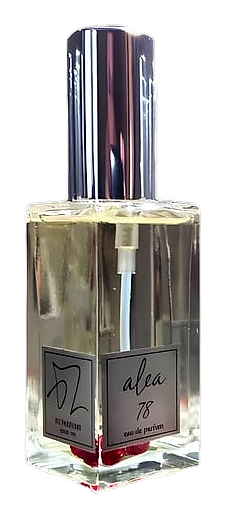
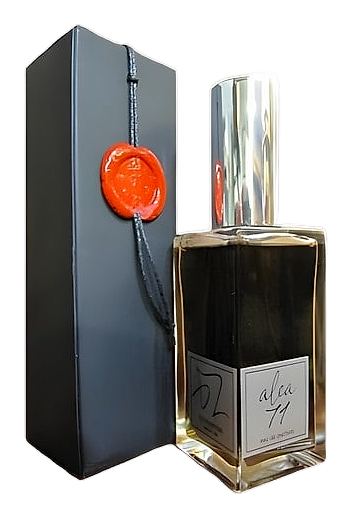
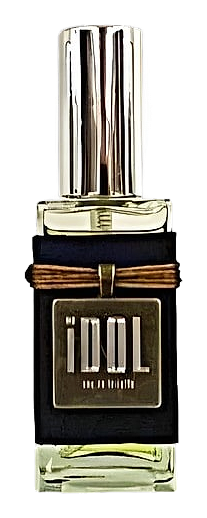
BZ ParfumsBZ Parfums is a fragrance house distinguished by its Alea collection, a numbered series of perfumes released primarily between 2010 and 2019. The collection includes releases such as Alea 71 (2011), Alea 72 (2010), Alea 77 Dekhtiari (2016), and Alea 78 Porichka (2015), among others. The brand also produced Mr. Idol and the more recent alea 57 Dyvo (2019). The nomenclature within the Alea series, particularly the inclusion of specific names like Dekhtiari, Porichka, and Dyvo, suggests cultural influences drawn from Turkish, Slavic, and Ukrainian linguistic traditions. BZ Parfums does not appear to have a publicly identified perfumer credited across its releases, and independent verification of the brand's founding details, headquarters, or background remains unavailable in accessible sources.
The Creator
Bogdan ZubchenkoZubchenko's compositions favor depth and complexity over linear development. He draws on classic perfumery structures while pushing materials into unexpected combinations.