
The Story
Why it exists.
The beginning
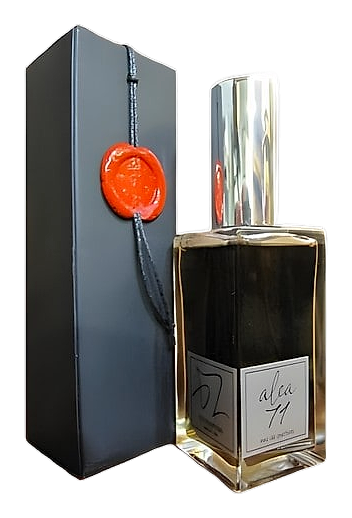
Alea 71 arrived in 2011 as part of BZ Parfums' numbered series. This one was composed by Bogdan Zubchenko, the nose behind multiple entries in the Alea catalog. The composition lands squarely in chypre-floral territory, but the construction is deliberate rather than pretty. It treats violet and iris as the main thread instead of ornamental sweetness, layered against a leather-and-oakmoss base that gives the whole thing a darker gravity. The iris arrives with that cool, almost stem-like crispness violet carries when it's not playing the soft card, then the leather underneath does the anchoring work. There's an earthy pull from the oakmoss that keeps the composition from floating off into powdery territory.
The violet top isn't decorative. It's sharpened by bergamot and orange blossom into something colder than violet usually gets credit for, setting up the iris to land harder once the heart opens. That iris is the spine of the composition, and the surrounding cast of plum, rose, and frankincense is arranged to flatter its powder without softening its edge. The rose stays low, more of a hum than a declaration, while the plum deepens the iris with its own dark sweetness without crossing into jam territory. The base leans heavy on Russian leather and oakmoss.
The evolution
The first 15 minutes are the coldest the fragrance gets. Violet and bergamot open sharp before the orange blossom softens the edges just enough to make room for what's underneath. Pay attention here, because this phase moves fast. By the 30-minute mark the iris has taken over. It's powdery in the classical sense, but the frankincense threads smoke through the iris and plum in a way that keeps the heart from ever reading as sweet. This is where the fragrance settles into its real personality: dusty, composed, faintly incense-laden. The plum at this stage adds a quiet depth, less fruit and more shadow, while the rose stays close to the skin, more suggestion than statement. After 2 hours the base arrives in full. Russian leather and oakmoss give it weight, patchouli adds an earthy pull, and the amber-sandalwood-vanilla combination warms everything without tipping into dessert territory.
Cultural impact
It sits in a space where classical chypres live, and the recommendation engines tend to place it near Guerlain's Samsara and Shalimar for those tracking similar territory. The powdery iris leans one way while the leather-oakmoss base pulls another, and the tension between them is what makes the fragrance interesting. Wearers tend to come to it as an off-radar choice, the kind of bottle that rewards someone already paying attention to what they're wearing.