
The Story
Why it exists.
The beginning
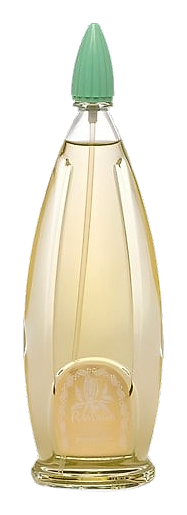
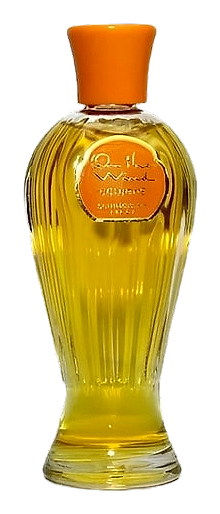
On the Wind arrived in 1950 from Bourjois. The perfumer was Constantin Veriguine, a name that appears across several mid-century French launches. The composition reads as a study in contrasts: a sharp, almost bitter green opening set against a soft, powdery floral heart, anchored by the chypre architecture of oakmoss and musk. The galbanum hits first with that distinctive crushed-leaf coldness, a vegetal snap that feels closer to torn stems than any floral gesture. Violet leaf layers in a metallic twang, amplifying the bitter green until the aldehydes sparkle across the top like light catching glass. As that opening mellows, hyacinth blooms in the heart, bringing a cool, watery sweetness that drifts between garden after rain and the mineral edge of damp stone.
What defines On the Wind is the force of its green accord. Galbanum and violet leaf in the opening give it a metallic, almost cut-grass bitterness that reads as genuinely vegetal, not dressed up to look the part. The floral heart leans on hyacinth, which adds a watery, vegetal sweetness rather than the indolic warmth of jasmine-heavy compositions. There's an almost rubbery snap to the galbanum at first spray, a green so crisp it borders on synthetic before the violet leaf rounds it into something more leafy and bruised.
The evolution
The first ten minutes are almost aggressively green. Galbanum and violet leaf cut through the aldehydic sparkle, and the lavender-mint lift adds a cooling effect that reads as wind on skin. There's nothing comforting about the opening. It demands attention, then pulls back. By the thirty-minute mark, the green recedes just enough for the floral heart to surface: lily of the valley and hyacinth, watery and cool, with a thread of ylang-ylang that adds a faint tropical softness. The iris is what gives the heart its powdery quality, almost cosmetic, like the inside of a compact. From the two-hour mark onward, the base takes over. Sandalwood and oakmoss build a dry, slightly bitter foundation, while tonka bean and vanilla warm the edges. The musk keeps it close to skin rather than letting it project. By evening, what remains is a soft, mossy warmth with a trace of vanilla. It doesn't vanish. It just quiets down, leaving a clean, slightly sweet trail that clings to fabric well into the next day.
Cultural impact
On the Wind became part of the conversation around green florals in mid-century French perfumery, a genre built on the tension between crisp green notes and soft, feminine body landmarks. Bourjois used the fragrance to show that green-leaning compositions could be built with real editorial weight, carrying the kind of composed sensibility usually associated with more exclusive launches. The aldehyde-galbanum accord at its center became a touchstone within the house's own catalog, the kind of reference point a perfumer returning to the formula could measure other green compositions against.
The House
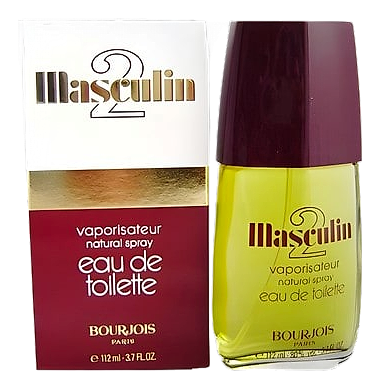
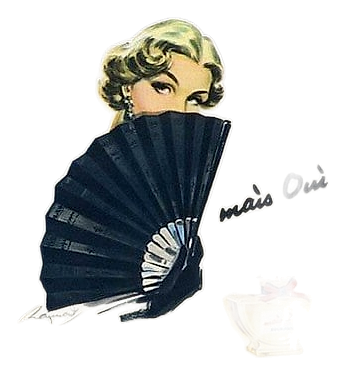
BourjoisBourjois began as a modest Parisian toiletry shop in the mid‑19th century and grew into a household name for colourful cosmetics and approachable fragrance. The brand blends French theatrical flair with everyday wearability, offering scents that feel both playful and rooted in tradition. Over more than a century, Bourjois has kept a focus on accessible luxury, delivering perfume that invites a wider audience to experience the craft of French perfumery without the pretence of exclusive pricing. Its catalogue includes iconic launches such as Mais Oui (1938) and the masculine line that started in the early 1970s, each reflecting a balance of heritage and contemporary taste.
The Creator
Constantin VeriguineVeriguine's hand reveals itself through a preference for materials that behave with dignity. Expect classical structures built around well-treated naturals, iris that speaks rather than whispers, woods used as scaffolding rather than decoration, and florals arranged with the c…