The Story
Why it exists.
The beginning
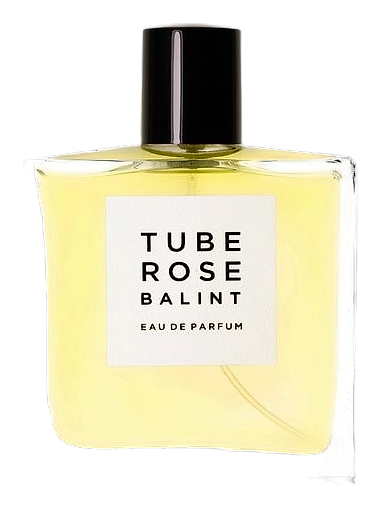
Tuberose arrived in 2020 as a composition from the Balint Parfums catalog. Where many perfumers treat tuberose as a maximalist flower, Bálint pulled it in another direction. The result is a floral that reads bright before it reads heavy. Instead of the headiness and velvet typical of the genre, the fragrance leans toward something more transparent, built around fruit and spice rather than indolic density. The composition keeps the flower present but dialed down, allowing each supporting note to register without getting swallowed by the lead. It's a deliberate balancing act, and one that shapes how the whole thing wears on skin. Bálint treats tuberose as a character to be framed rather than a statement to be shouted, and that choice gives the fragrance its particular signature.
What makes this composition unusual is the restraint around the star material. Indian tuberose absolute is the lead, and it carries enough presence to dominate a blend if left unchecked. Bálint offsets that intensity with coffee CO2, which adds a roasted bitterness that keeps the florals from going flat or overly sweet. The pairing is unexpected, pulling a note usually associated with roasted or gourmand compositions into a floral context where it cuts through the creaminess of the tuberose rather than blending into it.
The evolution
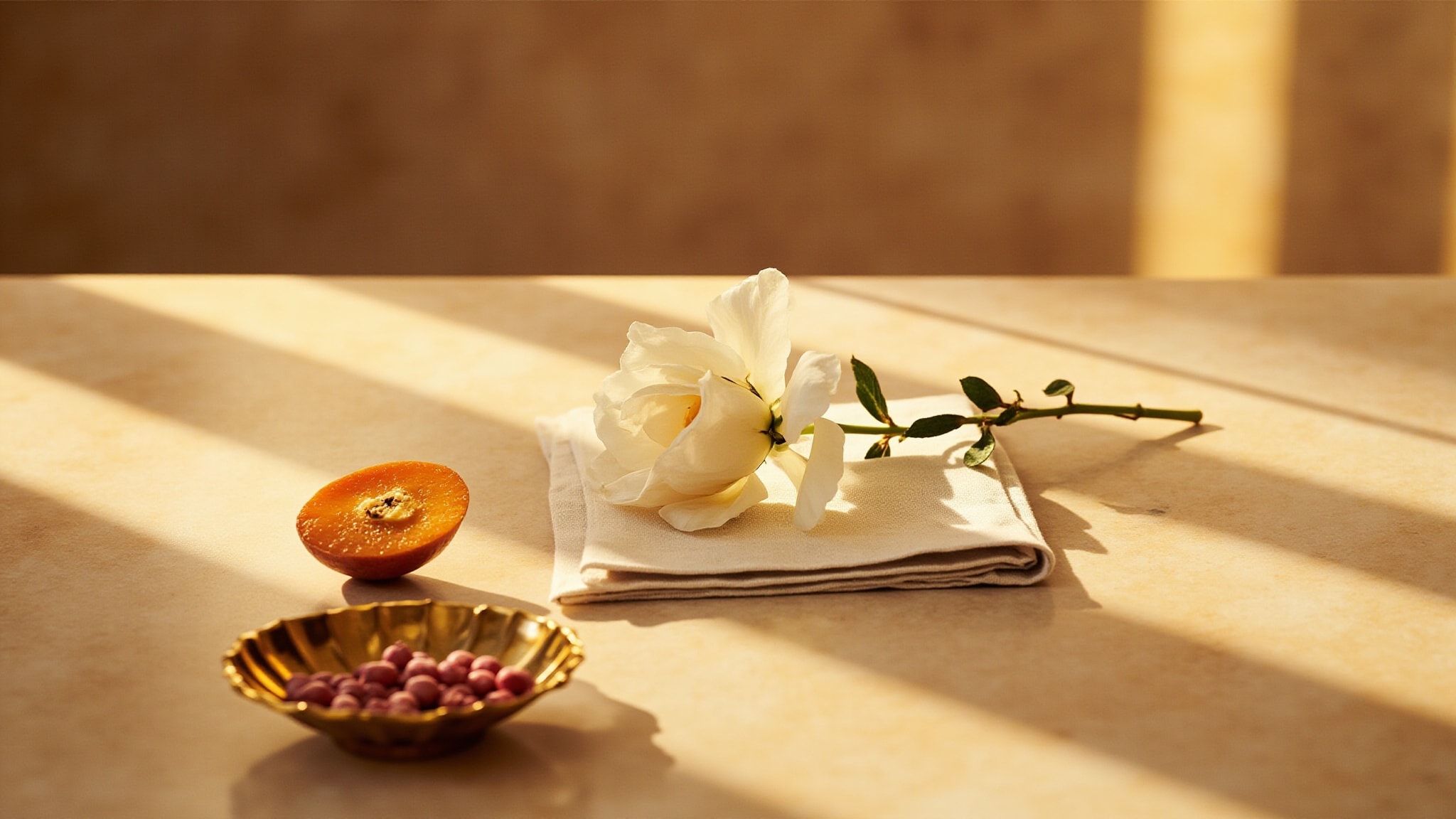
The opening is the lightest this fragrance ever gets. Nectarine and plum give a quick hit of stone-fruit sweetness, with California orange and pink pepper keeping the edges sharp rather than syrupy. The petunia adds a green, almost vegetable softness underneath, grounding the fruit before it can fly off into pure candy. As the first minutes pass, the heart takes over. Indian tuberose absolute blooms, but it blooms quietly, backed by coffee CO2's roasted bitterness and the powdery sweetness of heliotrope. Magnolia and orange blossom round it out without competing. Lily and marigold add depth, but the star stays the tuberose, just gentler than expected. The coffee weaves through the florals like a current, adding a dark edge to the cream of the tuberose and the powder of the heliotrope. Over time, the composition shifts into its base phase.
Cultural impact
Tuberose occupies a distinctive place within white floral perfumery. The composition opens bright with stone fruit and citrus, then moves into a heart where the flower shares space with coffee, magnolia, and heliotrope. That structure gives the fragrance a different character from more conventional takes on the note. Instead of leaning narcotic or going clean and soapy, the blend uses coffee and suede to ground the florals while nectarine and orange keep the top airy. The result is something that holds onto the identity of the flower without the heavy sweetness that often defines the category.