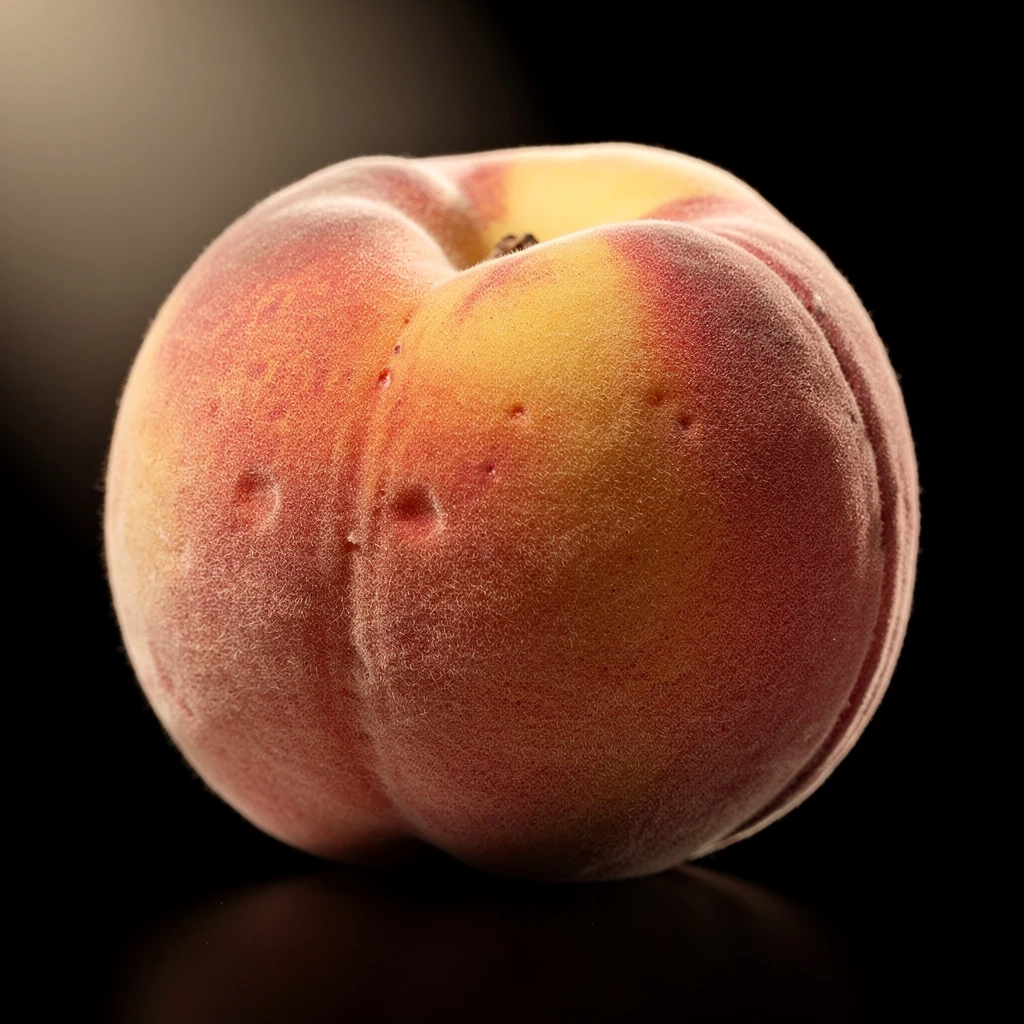
Nectarine
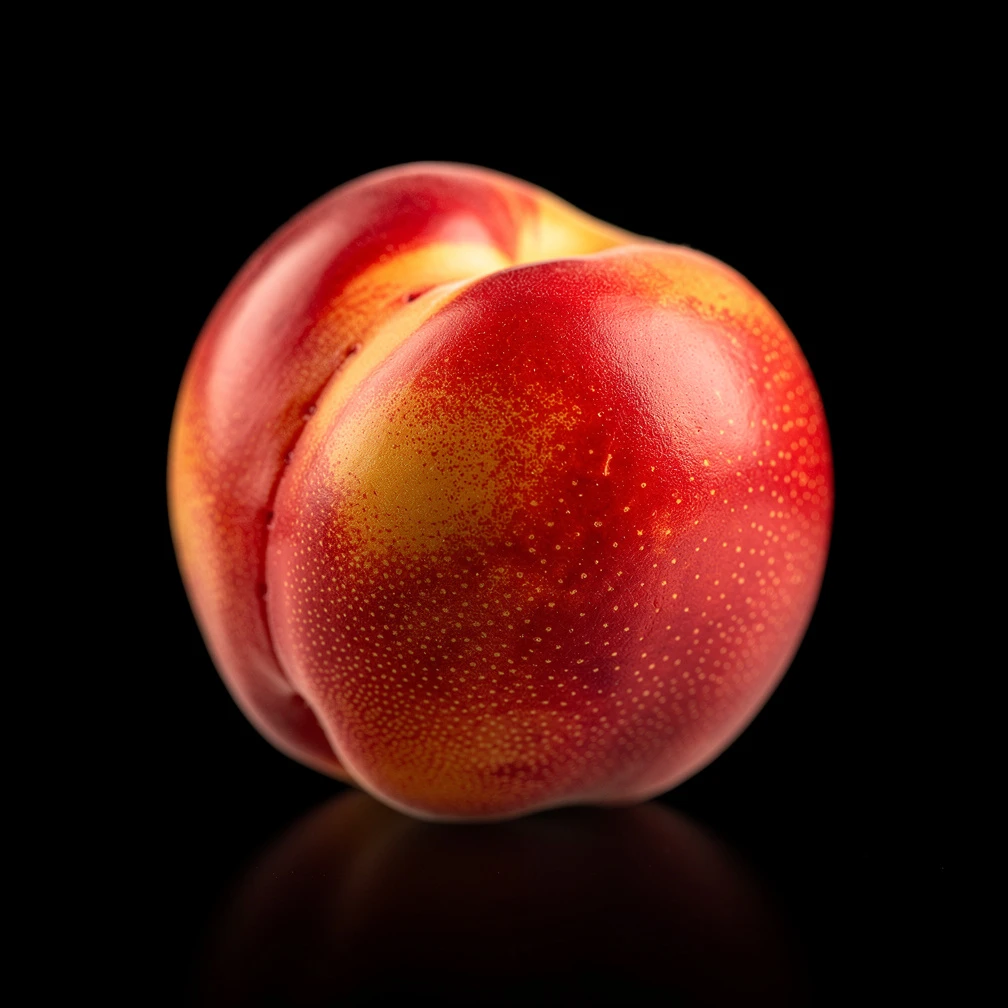
Nectarine brings sun-warmed orchard brightness to perfumery, capturing the sweet-tart juiciness of ripe fruit in a fleeting, mouthwatering accent.
Character
How it smells
Sun-warmed orchard glow
Nectarine scent almost always comes from synthetic molecules like gamma-undecalactone, since the delicate fruit yields almost no essential oil when pressed.








Origin
France
Nectarine as a perfumery note is a modern phenomenon, born from 20th-century advances in aroma chemistry rather than centuries-old distillation tradition. While stone fruits have appeared in botanical writings since antiquity, their volatile aroma compounds proved stubbornly difficult to capture. The breakthrough came in the mid-1900s, when chemists identified lactones as the primary carriers of peachy, nectarine-like scent.
Gamma-undecalactone was first characterized in the early 20th century and quickly became a staple in fruity floral compositions. Nectarine gained prominence in mainstream perfumery during the 1990s and 2000s, when gourmand and fruity-fresh fragrances surged in popularity. The note evokes Mediterranean orchards and Californian summer markets, lending an optimistic, accessible brightness to contemporary juice accords.
Unlike rose or oud, nectarine carries no ancient trade route mythology; its story is rooted firmly in modern synthetic chemistry and the perfumer's ongoing pursuit of joyful, photorealistic fruit impressions.
Wears it best
Fragrances featuring Nectarine
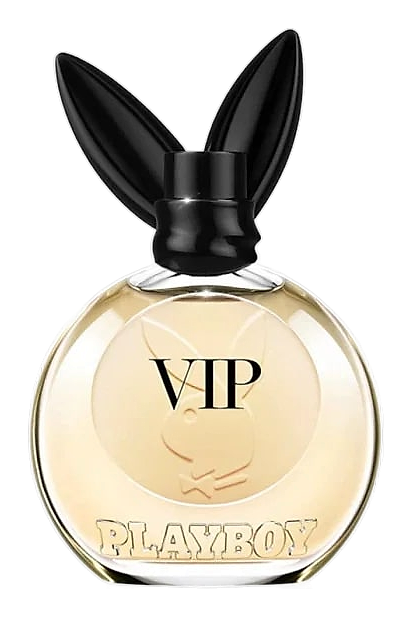
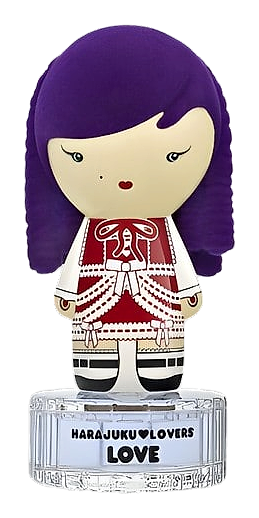
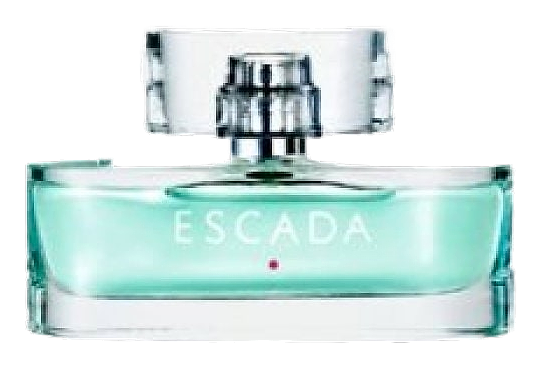
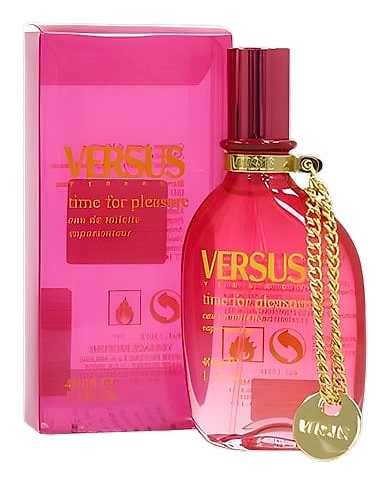
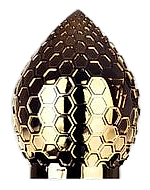
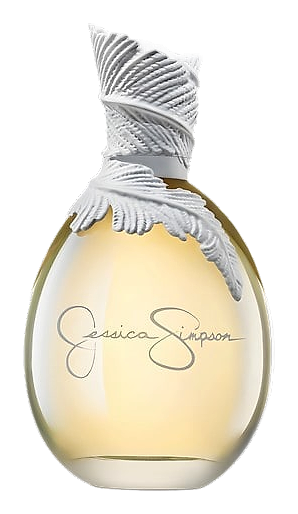
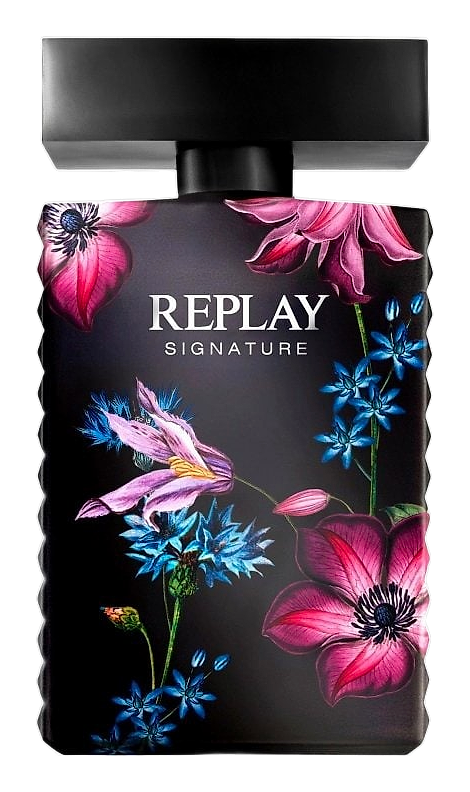
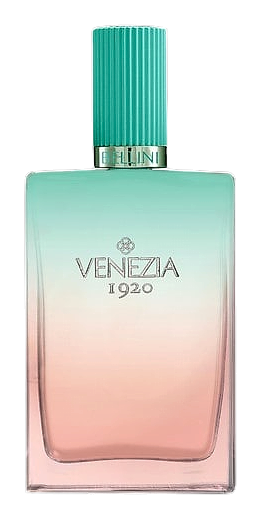

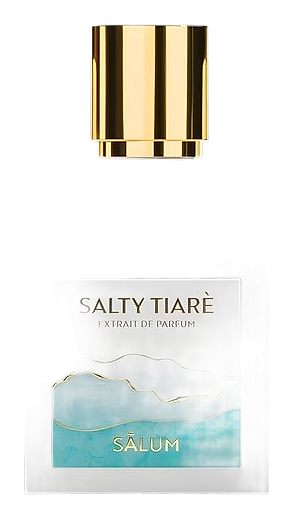
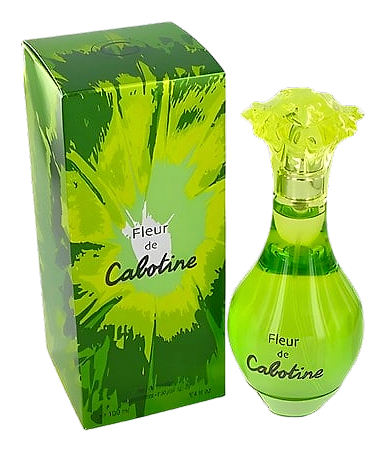
Brands
Brands known for Nectarine
Good to know
Questions, answered
The essentials on Nectarine in perfumery: how it smells, where it comes from, and how it behaves on skin.
What does nectarine smell like in perfume?
Nectarine offers a sweet, juicy character with subtle tartness and a creamy, skin-like warmth. It reads brighter and less powdery than peach, with a fresher, more orchard-like quality that lifts fruity and floral compositions.
Is nectarine a natural or synthetic fragrance ingredient?
Nearly all nectarine notes in commercial perfumery are synthetic. The real fruit yields almost no usable extract through distillation or solvent methods, so perfumers recreate the scent using molecules like gamma-undecalactone.
What fragrances feature nectarine as a key note?
Nectarine appears across modern fruity florals and gourmand scents, often paired with peach, mandarin, or jasmine. It became especially prominent in 1990s and 2000s launches emphasizing bright, juicy freshness.
How long does nectarine scent typically last on skin?
Nectarine is a top-to-middle note with moderate lasting power, usually 1 to 3 hours depending on concentration and base notes. Anchoring it with musks or woods extends its presence considerably.
Is nectarine scent safe for sensitive skin?
Synthetic nectarine compounds like gamma-undecalactone are generally well-tolerated at typical fragrance concentrations. Anyone with sensitivities should still patch test, as individual reactions to aroma materials vary.
What pairs well with nectarine in a fragrance blend?
Nectarine complements peach, pear, and citrus notes beautifully, and adds lift to white florals like jasmine and neroli. For contrast, pair it with green tea, violet leaf, or soft sandalwood.
Where does nectarine grow and does origin affect the scent?
Nectarines originated in China over 4,000 years ago and now grow commercially in California, the Mediterranean, and southern Europe. Since the note is recreated synthetically, geographic origin doesn't directly influence the perfumery version.
Can you extract essential oil from real nectarines?
Practical extraction of nectarine essential oil is essentially impossible at scale. The fruit's high water content prevents effective distillation, and solvent yields are too low for commercial viability.