The Story
Why it exists.
The beginning
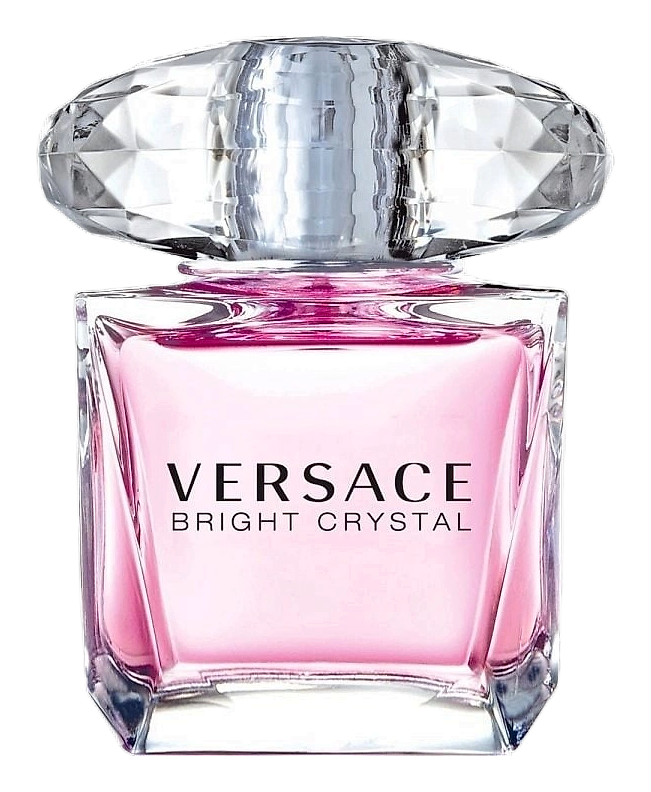
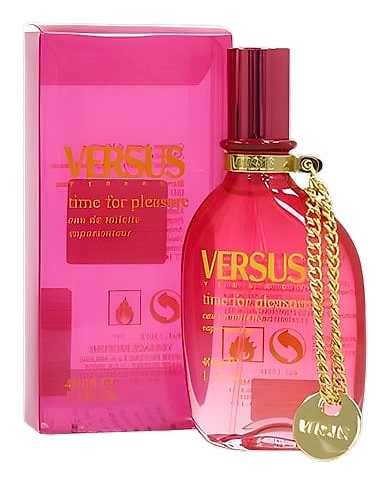
In 2003, Versace launched Time For Pleasure as part of the Versus "Time for…" collection, a quartet of scents designed to match a specific feeling. This one was the indulgence: berries, stone fruit, vanilla, musk. The assignment wasn't complicated. The brief was pleasure itself, dressed in Versace pink and made wearable. Francis Kurkdjian signed his name to it, and the composition followed the concept with zero restraint. Fruity, sweet, and unapologetically girly in the early 2000s sense of the word. The line also included Time for Action, Time for Energy, and Time to Relax. This was the one that wasn't trying to do anything except smell good. The bottle catches the light in a way that signals exactly what the juice inside delivers, a small pink gesture toward uncomplicated enjoyment.
There's a strange boldness to a scent that leads with four berries and doubles down with peach and nectarine in the heart. Time For Pleasure doesn't hedge. The vanilla and musk base is what holds it together, turning what could read as artificial candy into something warmer and slightly skin-like. It's a layering trick: the fruit keeps the top fun and girly, while the vanilla-musk base adds a creamy softness that makes the sweetness wearable past the first hour. The musk doesn't dominate, it simply threads through the fruit and keeps everything from collapsing into pure sugar.
The evolution
The opening is loud and immediate. Raspberry and blackberry hit first, bright and jammy, with apricot and woodland strawberry pulling the sweetness toward something almost syrupy. It's the most aggressive phase, and it asks for patience. Give it 20 minutes and the fruit calms down. Blueberry, nectarine, and a generous slice of peach take over, and suddenly the whole thing smells like a fruit tart someone left on a sunny windowsill. The musk arrives quietly in the background, warming the edges. By hour two or three, the vanilla takes over almost completely. The berries don't disappear, they soften into a milky, peachy sweetness that sits close to skin. The transition from fruit bomb to creamy close is surprisingly graceful, and the musk does a lot of quiet work making sure the shift doesn't feel jarring.
Cultural impact
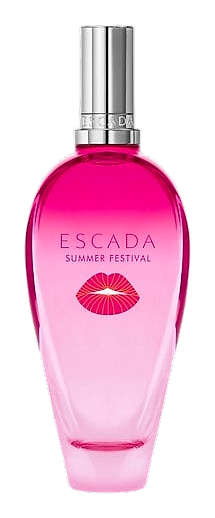
Time For Pleasure sits in a specific corner of fragrance history: the early 2000s fruity gourmand era, when berry-vanilla compositions were everywhere from drugstore shelves to department store counters. Wearers who reach for it tend to know exactly what they want: uncomplicated sweetness, pink packaging, and a scent that smells like the inside of a jellybean tin. The fragrance has drawn comparisons to Escada's Ocean Lounge and other berry-vanilla scents of that period, with wearers noting the shared DNA of that specific moment in perfumery.