The Story
Why it exists.
The beginning
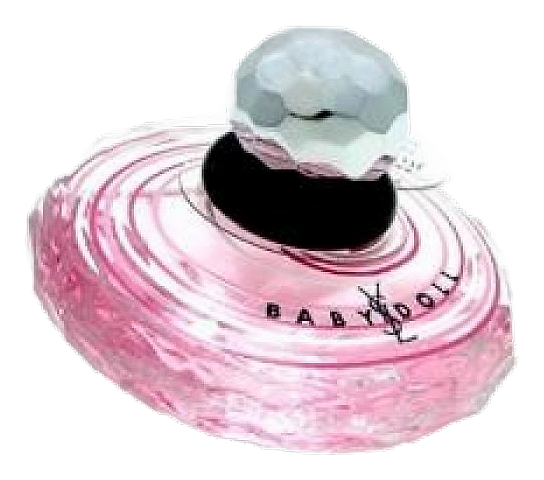
Baby Doll Candy Pink arrived in 2005 as a flanker to YSL's original Baby Doll. The original Baby Doll had carved out a space in the late 90s and early 2000s, and Candy Pink followed with a tighter, more pointed version of that idea. It wasn't trying to reinvent anything. It was a confident sequel, leaning fully into the candy territory its predecessor had only hinted at, with sharper fruit and a juicier pink-stained sweetness that felt more confident and direct. The 2005 timing positioned it squarely within a crowded market of gourmand-leaning flankers that had turned into standalone hits. YSL knew what they were doing with this one. Candy Pink wasn't pitched as a reinvention or a bold new direction.
What makes Candy Pink interesting isn't the sweetness itself. It's the tension built into the structure. Rhubarb and red currant bring a tart, almost green edge to what would otherwise be a pure sugar play. White rose softens the sharpness just enough to keep it feminine, while ginger adds a clean, almost peppery warmth that keeps the composition from collapsing into syrup. The cedar in the heart is the surprise. Most fragrances at this sweetness level rely on white musk or vanilla for their base.
The evolution
The opening is fast and loud. Grapefruit and grenadine hit first, sharp and almost effervescent, like a fizzy drink poured over crushed ice. There's a candied quality to the fruit that takes a moment to settle into something more grounded, the fizz softening as the sharper citrus notes start to round out. Then the heart arrives, and the composition shifts. The rhubarb and red currant combo gives way to white rose, which doesn't smell like a traditional rose at all. It's softer, creamier, more like the memory of rose than the flower itself. Ginger weaves through, warming everything from underneath. The cedar shows up quietly, never dominating but always present, adding a subtle woody hum to the sweetness. The drydown is where Candy Pink earns its limited-release status.
Cultural impact
Baby Doll Candy Pink landed in 2005 as a flanker to YSL's original Baby Doll, and its rhubarb-grapefruit-grenadine cocktail captured a particular appetite for edible, playful femininity that defined the era. The pink bottle and the sugary-sweet composition made it instantly recognizable on shelves, and it sold well enough to become a minor collector's item once discontinued. Its limited release status only amplified its appeal, turning it into something of a secondary-market trophy, with sealed boxes trading at notable premiums and showing up regularly in discontinued YSL collectors' threads.