The Story
Why it exists.
The beginning
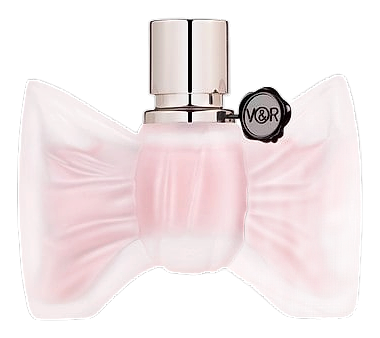
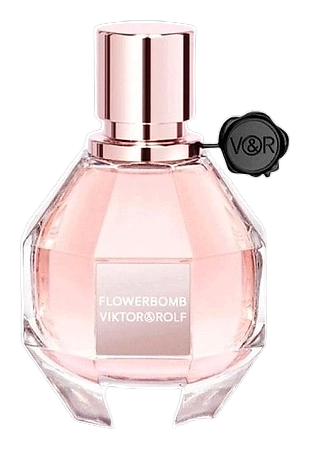
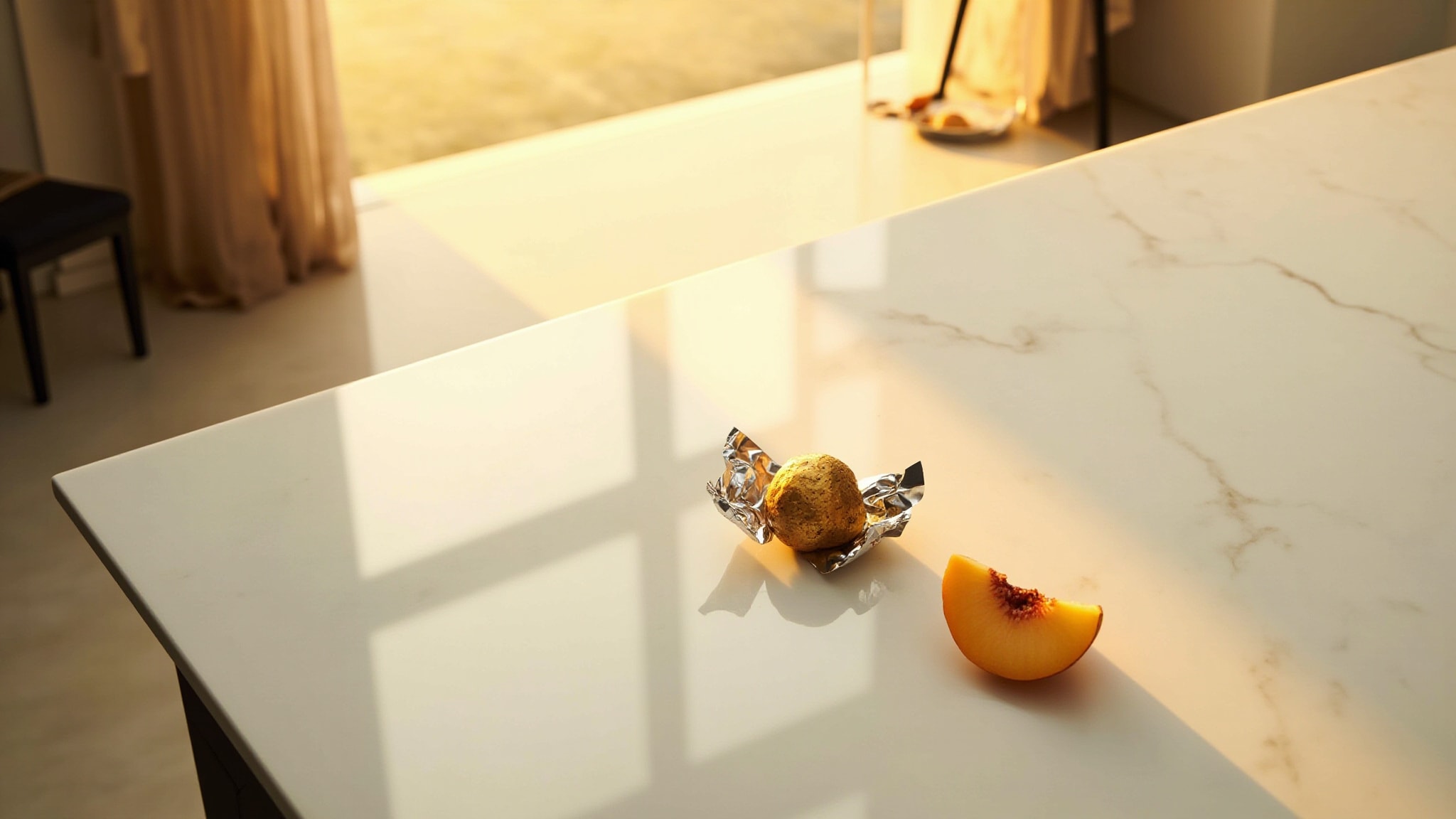
Viktor&Rolf had already made their mark with Flowerbomb when they set out to create a second women's fragrance. The designers worked outward from a concept that itself smells like something. Bonbon. The word does the work before the scent ever does. A warm, enveloping sweetness fills the air as the fragrance unfolds, with rich caramel notes intertwining with delicate floral undertones. Each spray reveals a new layer, like unwrapping a carefully crafted confection that lingers on the skin. Just a moment of self-indulgence, captured in a bottle.
Caramel is the key note, but it's not alone. The fruity opening keeps the sweetness from becoming heavy, while jasmine and orange blossom thread through the heart, adding a complexity that elevates the composition beyond pure gourmand territory. Sandalwood, cedar, and amber form the base, giving Bonbon a woody warmth that lingers close to the skin through the evening. It's a fragrance designed for someone who wants comfort and a little something extra.
The evolution
The opening is bright. Peach and mandarin orange arrive first, clean and sweet, like unwrapping something you were saving. Then the caramel steps in and takes over. Not aggressively. It settles into the composition and becomes the anchor. The floral heart of jasmine and orange blossom appears, softening the edges just enough. What follows is the drydown, and this is where Bonbon earns its reputation. Amber and cedar hold close to the skin through the evening, the warmth fading slowly rather than disappearing. The caramel lingers as a subtle trace, a reminder of the sweetness that opened the experience.
Cultural impact
Bonbon marked a significant chapter in Viktor&Rolf's fragrance journey, expanding their portfolio beyond Flowerbomb. The launch brought a new dimension to their olfactory universe, introducing a caramel-forward composition that resonated with those seeking something indulgent and memorable. This addition demonstrated the brand's ability to translate their distinctive design perspective into a different sensory medium, offering fragrance lovers another way to experience their creative vision.