
The Story
Why it exists.
The beginning
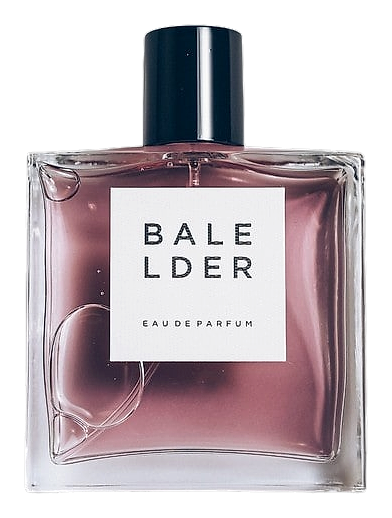
Black Elder grows wild in the pine forests around Kanjiza, the Serbian village where Csaba Bálint founded Balint Parfums in 2018. Bálint didn't reach for a fashionable accord. He reached for something he knew. The elder that grew near his workshop, its berries darkening in late summer, its flowers still hanging in the morning air. Balelder is a 2024 composition built on that memory: two appearances of Black Elder, one at the top, one at the heart, bridged by warm spice and grounded by resinous woods.
The note pyramid pulls off a quiet trick: Black Elder appears twice, in different contexts. At the opening, it brings a jammy, wine-like tartness, almost blackcurrant-adjacent but earthier, with a floral undertone most fruit notes skip. At the heart, paired with jasmine and cinnamon, it softens into something sweeter and more human. The base of styrax, ambergris, sandalwood, and musk isn't loud. It's intimate. It wants to stay close.
The evolution
The first minutes are bright and tart. Black Elder makes its entrance with the confidence of something that knows it belongs, jammy, a little wine-dark, lifted by bergamot and a squeeze of lemon. Apple sits underneath, adding weight without sweetness. Around the thirty-minute mark, the citrus cools. Cinnamon arrives, warm, almost edible. Jasmine opens, soft and white. The elder softens too, becoming floral rather than fruity. By the third hour, the drydown arrives: ambergris lending a salty animal warmth, sandalwood threading cream through the base, styrax and patchouli adding resinous depth without heaviness. Musk keeps it close. Balelder doesn't fill the room. It stays where you put it, intimate, present, a warmth that lingers after you've already moved on.
Cultural impact
Balelder enters a fragrance landscape where elderberry and elderflower are rarely treated as primary notes in mainstream perfumery. The Black Elder in Balelder's name signals an intentional commitment to an underutilized ingredient, positioning the fragrance as a statement about regional identity rather than global benchmarking. Serbian perfumery has remained largely invisible on the international stage, with houses like Balint Parfums working against a perception that fine fragrance originates only from French, Italian, or Middle Eastern traditions. The 2024 launch timing, arriving alongside four other new releases from the same house, suggests a deliberate strategy of catalog expansion that treats the lineup as a complete offering rather than individual products.