California Orange
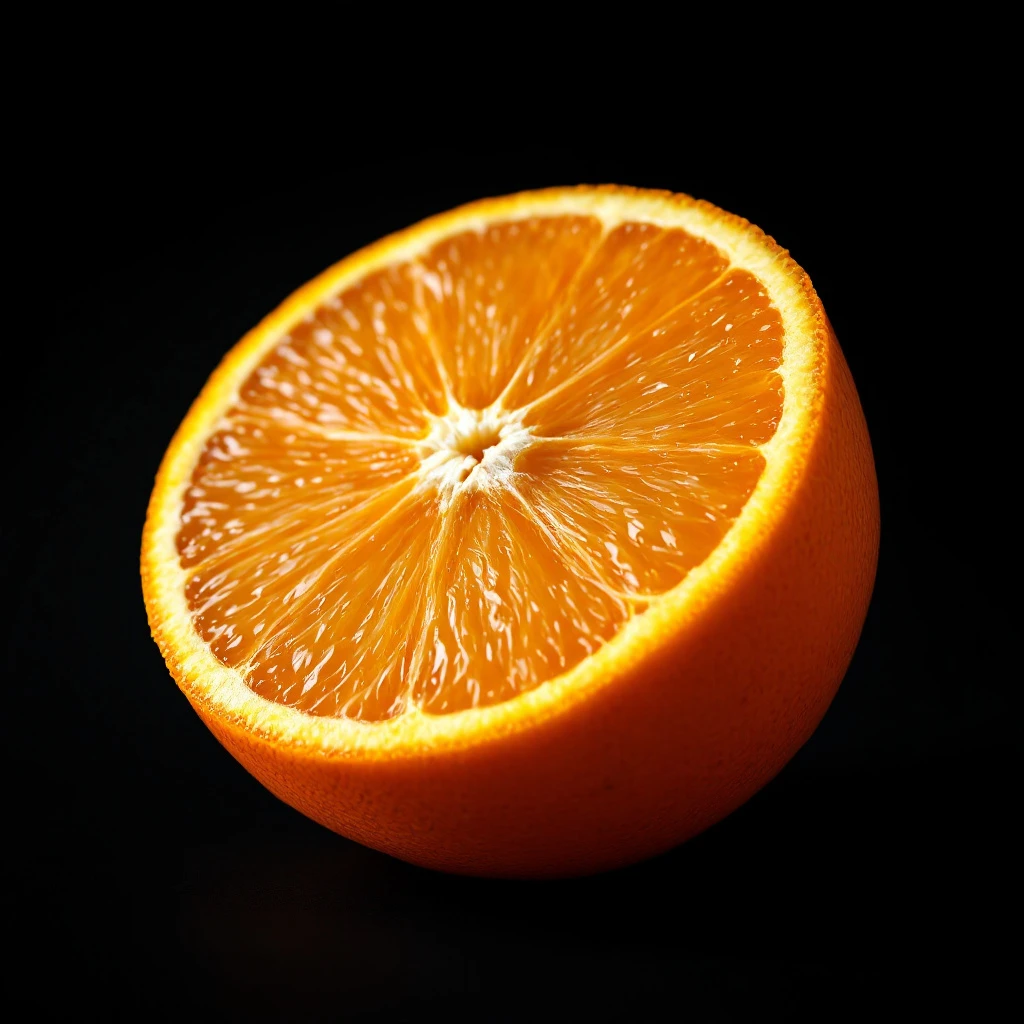
California Orange captures the iconic brightness of Citrus sinensis grown in Golden State groves. The fruit's sun-warmed peel delivers an unmistakable aroma that bridges zest and warmth, a fragrance memory woven into the landscape itself. This note embodies clarity, optimism, and the generous spirit of an abundant coastline.
Character
How it smells
Bright zest, warm peel, California soul.
One mature Valencia orange tree produces enough essential oil to scent approximately 5,000 bottles of perfume.







Origin
United States
Citrus sinensis originated in southern China, where orange trees appear in records from the Han Dynasty around 200 BCE. Chinese emperors received oranges as ceremonial offerings for centuries. Portuguese navigator Vasco da Gama returned from India in 1498 carrying the fruit to Lisbon, and traders subsequently spread oranges throughout Europe.
The California chapter began in 1769 when Spanish missionaries planted the first citrus seeds in San Diego. The defining moment arrived in 1873 when a hybrid orange tree from Brazil arrived at the Glenwood Mission Inn in Riverside, California. This single tree, later named the Valencia orange, became the world's dominant commercial citrus variety.
Its descendants now blanket the state's central valleys and coastal mesas. Today, California's citrus industry generates over $2 billion annually while supplying premium perfumery-grade orange oil to fragrance houses worldwide.
Wears it best
Fragrances featuring California Orange

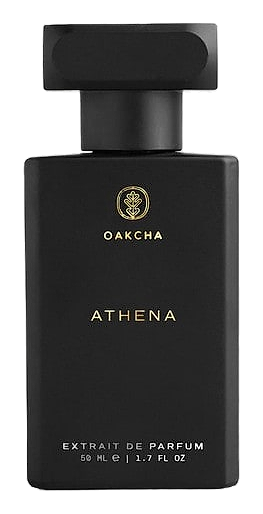
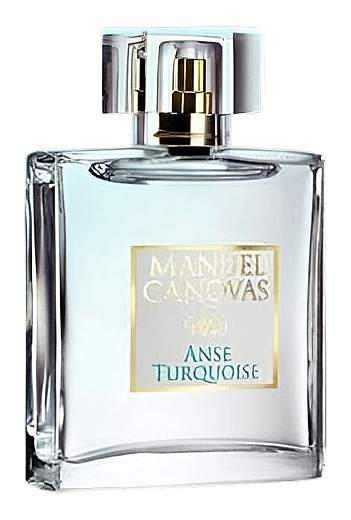
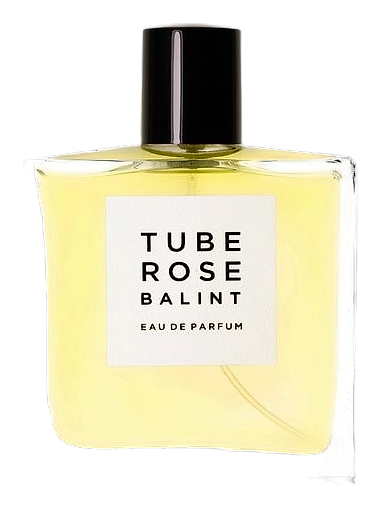
Brands
Brands known for California Orange
Good to know
Questions, answered
The essentials on California Orange in perfumery: how it smells, where it comes from, and how it behaves on skin.
What extraction method produces California orange oil?
Cold pressing extracts the oil mechanically from fresh fruit peel. The sfumatrice machine punctures and presses the rind while applying cold water, separating essential oil from peel tissue without heat. This technique preserves delicate aromatic compounds that steam distillation would alter.
Where does California Orange originate in the botanical sense?
Citrus sinensis originated in southern China approximately 2,000 years ago. However, the California Valencia orange hybrid now widely used in perfumery traces its lineage to a single tree that arrived in Riverside, California in 1873 from Brazil. California has since become a primary production region for perfumery-grade citrus.
How much peel is needed to produce one pound of orange oil?
Producing one pound of orange essential oil requires roughly 150 pounds of fresh fruit peel. Each orange yields only about 1/2 teaspoon of oil from its rind, making citrus oils relatively concentrated and prized in perfumery formulations.
What aroma characteristics define orange peel oil?
Orange peel oil delivers bright, zesty top notes with characteristic aldehydic lift. The aroma includes sweet overtones with warm, slightly floral backing that becomes more pronounced as the oil oxidizes. The scent carries immediate sunshine and cheerful energy that perfumers value for top heart integration.
What distinguishes orange blossom absolute from fruit peel oil?
Orange blossom absolute comes from the flowers and carries distinct green, indolic qualities unlike peel oil. Neroli, specifically, refers to steam-distilled orange blossom oil. The flower captures different aromatic dimensions: softer, more romantic, with jasmine-like nuances compared to the fresh fruitiness of peel extracts.
How do seasonal harvest variations affect orange oil quality?
California harvests Valencia oranges primarily from January through June. Earlier harvests near peak ripeness produce oil with brighter, more tart qualities. Later harvests develop slightly deeper notes with honeyed warmth. Fragrance houses select harvest windows based on desired fragrance profiles.
What fragrance families pair well with California orange?
Orange integrates naturally with citrus, floral, and chypre accords. It adds lift and brightness to woody bases, harmonizes with neroli and jasmine, and anchors fresh green compositions. Fragrance houses commonly layer orange alongside sandalwood, musk, and amber for warm, approachable signatures.
Can orange notes feel natural in both light and rich fragrance formulas?
Yes, orange works across fragrance concentrations and styles. In colognes and fresh waters, it provides immediate opening impact. In richer concentrations, it functions as a substantive heart note alongside florals or woods. Cold-pressed orange oil maintains its clarity even in high-concentration perfume bases.