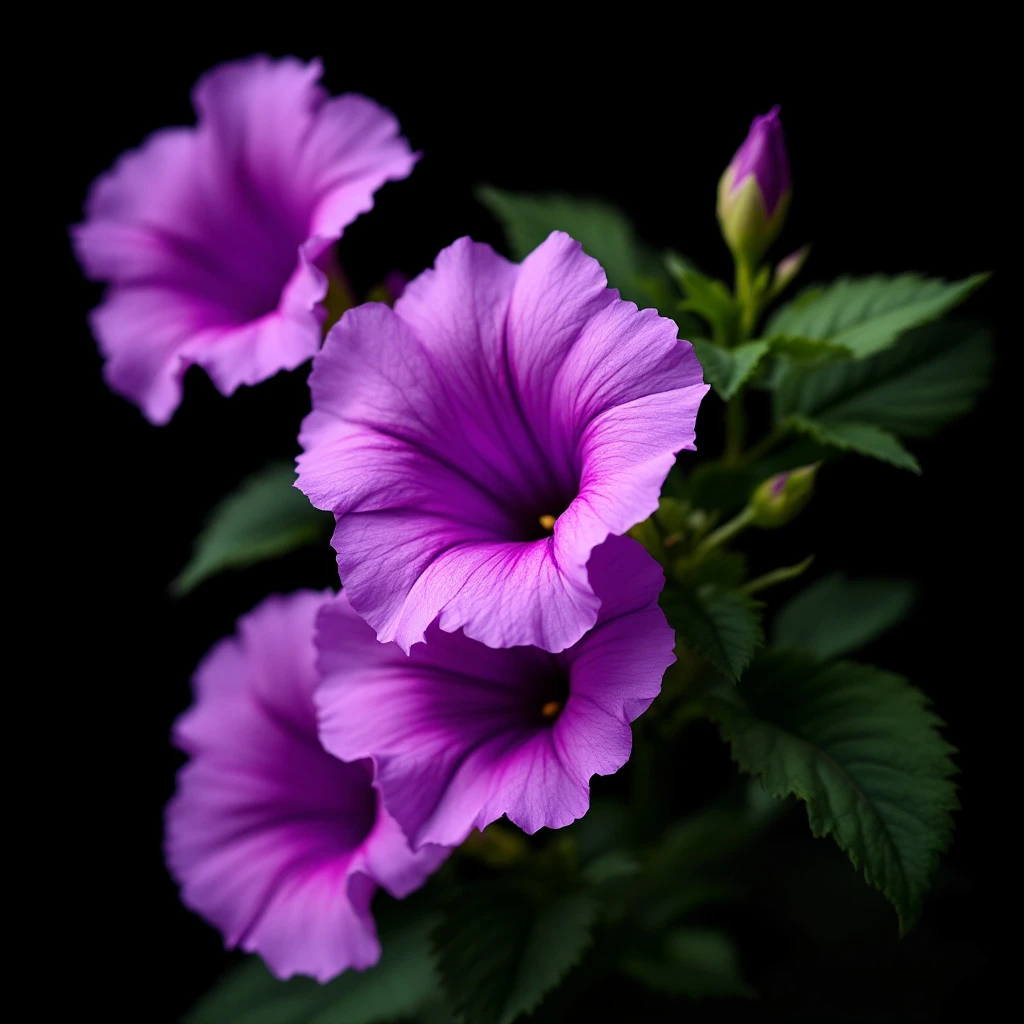
Petunia
Petunia brings its sweet, floral whisper to perfumery through the precision of modern chemistry. While its petals never yield traditional extracts, scientists have successfully decoded and recreated its elusive scent profile, opening new creative possibilities for fragrance designers.
Character
How it smells
A floral illusion crafted by science, not nature.
Petunia flowers contain dormant scent genes that went silent through centuries of cultivation, until researchers at The Hebrew University of Jerusalem reactivated them in 2019.

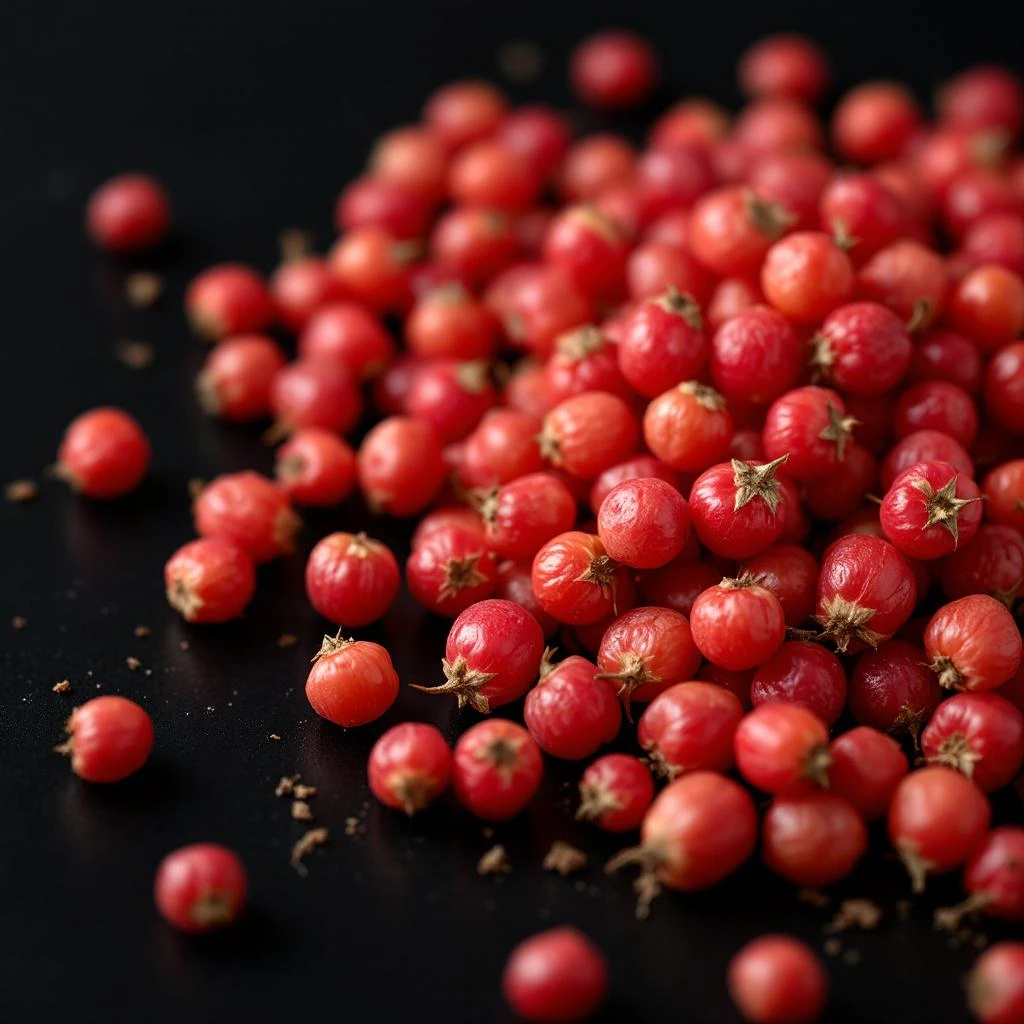




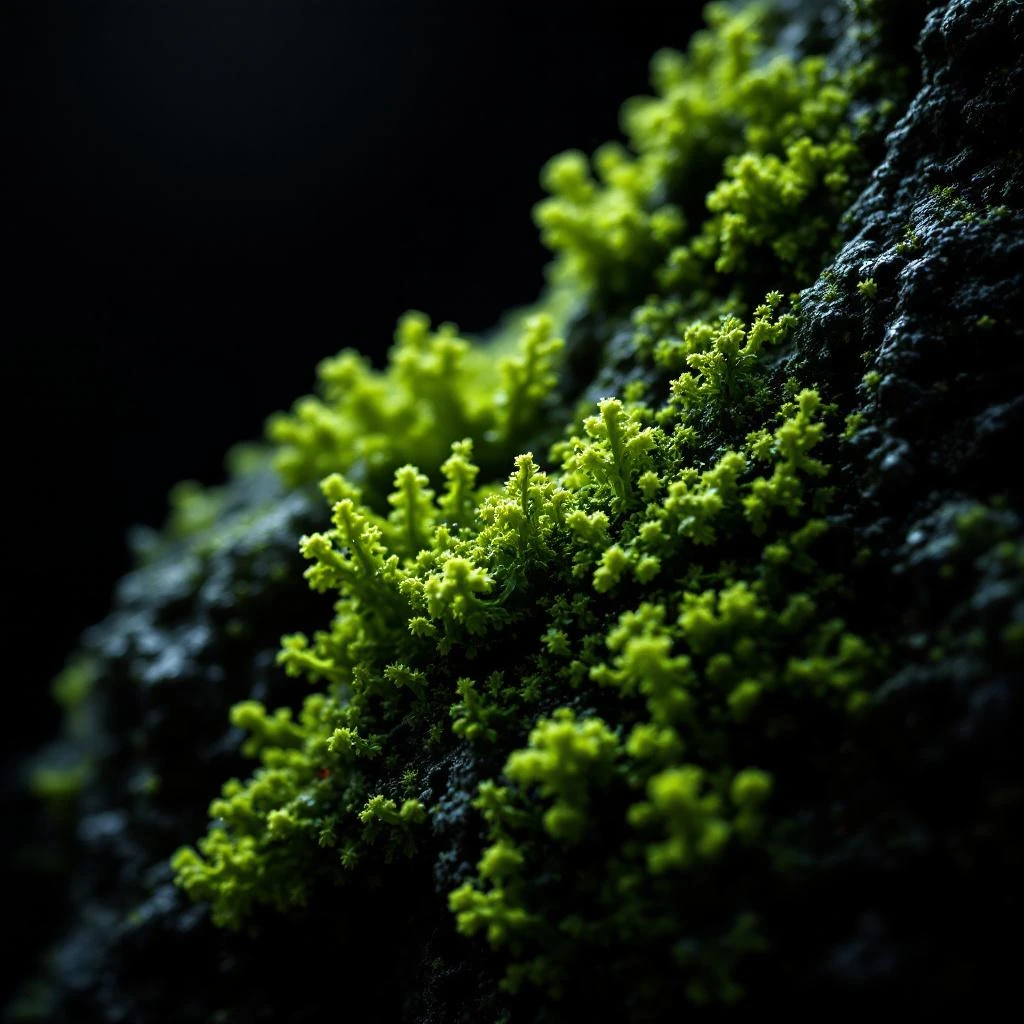
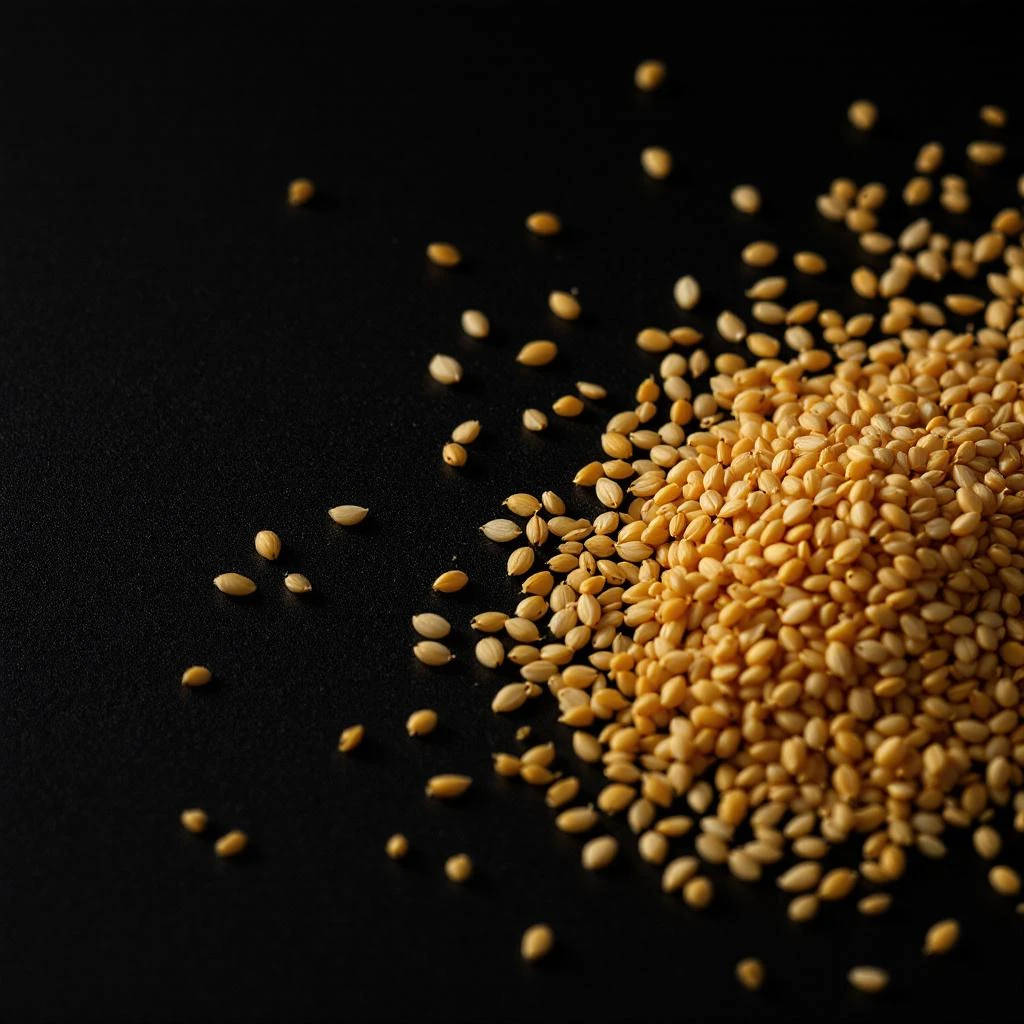
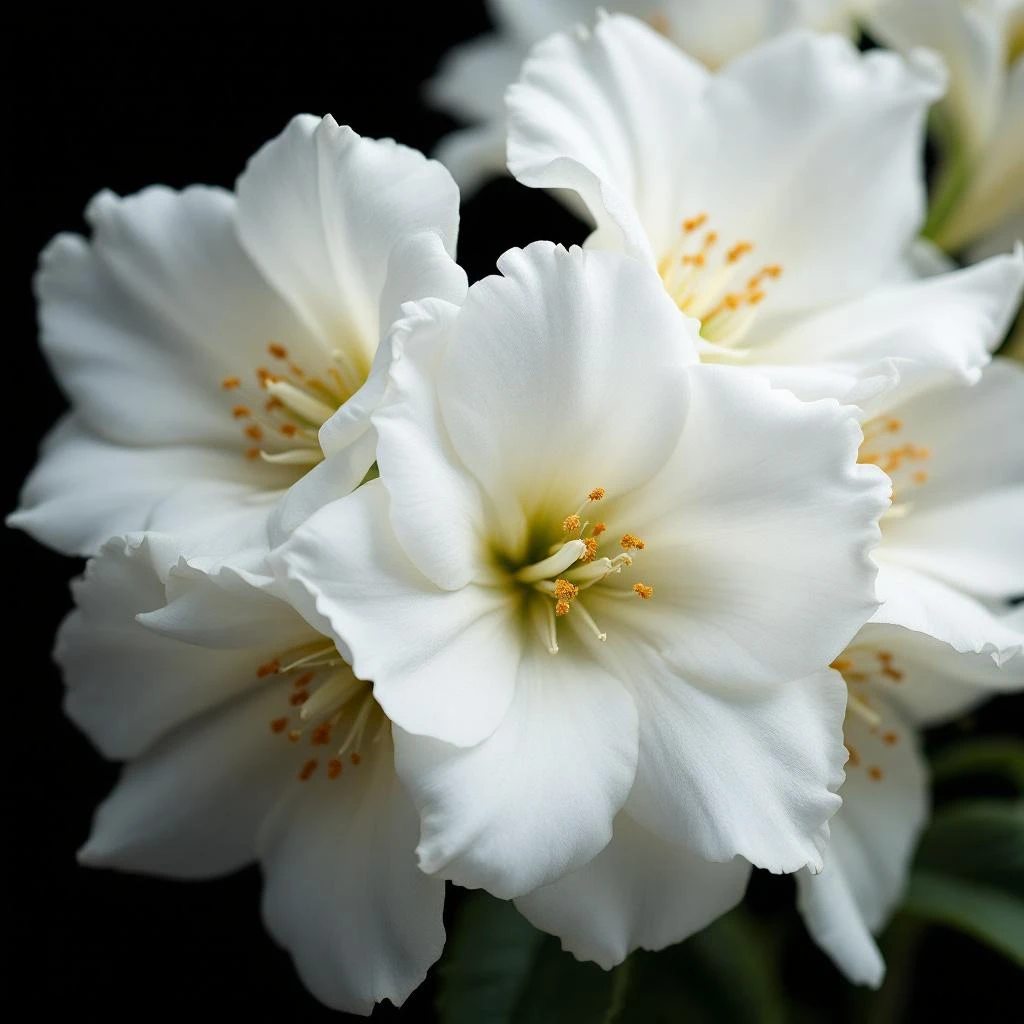
Origin
Brazil
Petunia traces its botanical lineage to South America, where wild varieties once filled evening air with their potent fragrance. Spanish and Portuguese explorers encountered these aromatic flowers during the 16th and 17th centuries, carrying seeds back to European botanical gardens. Over centuries of selective breeding, growers prioritized visual appeal and color variety, inadvertently selecting against scent production.
By the time perfumery emerged as a formal industry in late 19th-century Paris, petunia had already lost its place among fragrant botanicals. The flower remained absent from perfumery palettes until recent genetic research reversed this trend, demonstrating that treasured fragrance ingredients need not remain lost when cultivation practices silence their aromatic potential.
Wears it best
Fragrances featuring Petunia
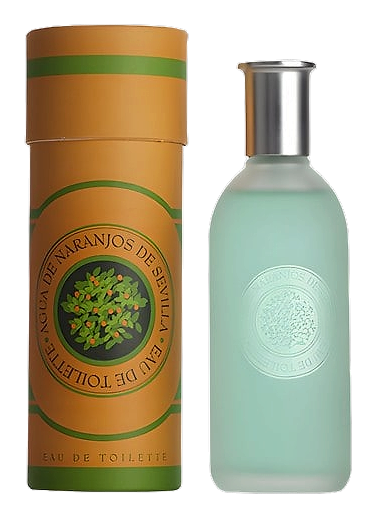
![[urban petunia] by SKLVA](https://pkjcevljwhrjwpswgpkp.supabase.co/storage/v1/object/public/fragrance-images/bottles/sklva/urban-petunia.png)
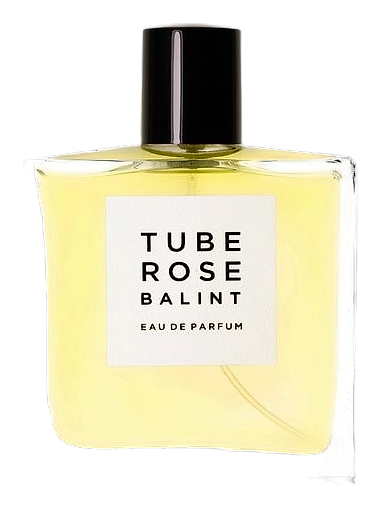
Brands
Brands known for Petunia
Good to know
Questions, answered
The essentials on Petunia in perfumery: how it smells, where it comes from, and how it behaves on skin.
Is petunia used as a natural extract in perfumery?
No. Petunia cannot be extracted for perfumery using conventional methods. The flower's volatile compound concentration is too low for commercial extraction, and no solvent or distillation process yields viable perfume materials from petunia petals.
How do perfumers recreate petunia's scent?
Perfumers create petunia accords using synthetic aromatic molecules identified through genetic research. Scientists at The Hebrew University of Jerusalem traced the flower's scent to specific BENZODOX genes, providing a molecular blueprint for recreation.
Why don't cultivated petunias produce strong fragrance?
Centuries of selective breeding prioritized visual traits like flower size, color variety, and bloom persistence. During this process, growers unconsciously selected against scent production, allowing the flower's aromatic genes to become dormant.
When did scientists rediscover petunia's scent potential?
Researchers at The Hebrew University of Jerusalem successfully reactivated petunia's dormant scent genes in 2019, identifying the BENZODOX gene family as the key to the flower's elusive fragrance profile.
Which fragrance families use petunia accords?
Petunia accords appear primarily in floral and green fragrance compositions. Perfumers incorporate them to add soft, garden-fresh qualities to florals,chypres, and contemporary white flower perfumes.
Is petunia a common ingredient in perfume?
No. Petunia remains a rare and novel ingredient in perfumery. Its synthetic recreation is a recent scientific achievement, and few perfumes currently feature notable petunia accords on their composition lists.
What makes petunia significant in modern perfumery?
Petunia represents a new category of ingredient: botanicals recreated through scientific understanding rather than traditional extraction. This approach may allow perfumers to recover lost fragrance materials from plants that never yielded commercial extracts.