The Story
Why it exists.
The beginning
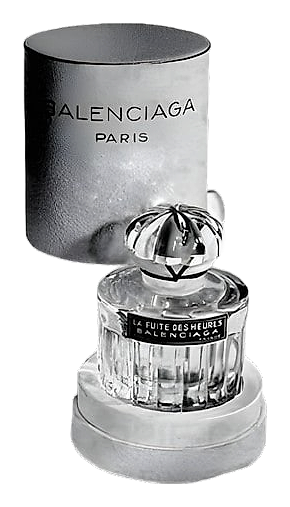
Balenciaga's second perfume arrived in 1949, following Le Dix. The commission went to Germaine Cellier, a perfumer working in Paris. The name translates to The Fleeting Moment, and the structure reads like a meditation on that idea: how a scent can hold something passing, something gone almost before you register it. The composition reflects this in its construction. A chypre built on iris and violet, herbal rather than sweet, with the aldehyde lift of a couture house in its prime. The aldehydes sparkle at the top like a struck bell, brief and bright, before the iris settles in with its cool, rooty weight. Violet adds a slightly powdery sweetness that never tips into the candied.
Cellier used the herbal anisic and tarragon top to keep the aldehydes from spinning into pure abstraction, giving the opening a green counterweight. The heart layers iris with jasmine, rose, and ylang-ylang, but the iris dominates. Not a supporting player. The lead. This gives the composition its particular character: floral, yes, but with the cool, rooty depth of orris powder rather than the rounded sweetness often found in mid-century florals. The chypre skeleton keeps the whole structure taut.
The evolution
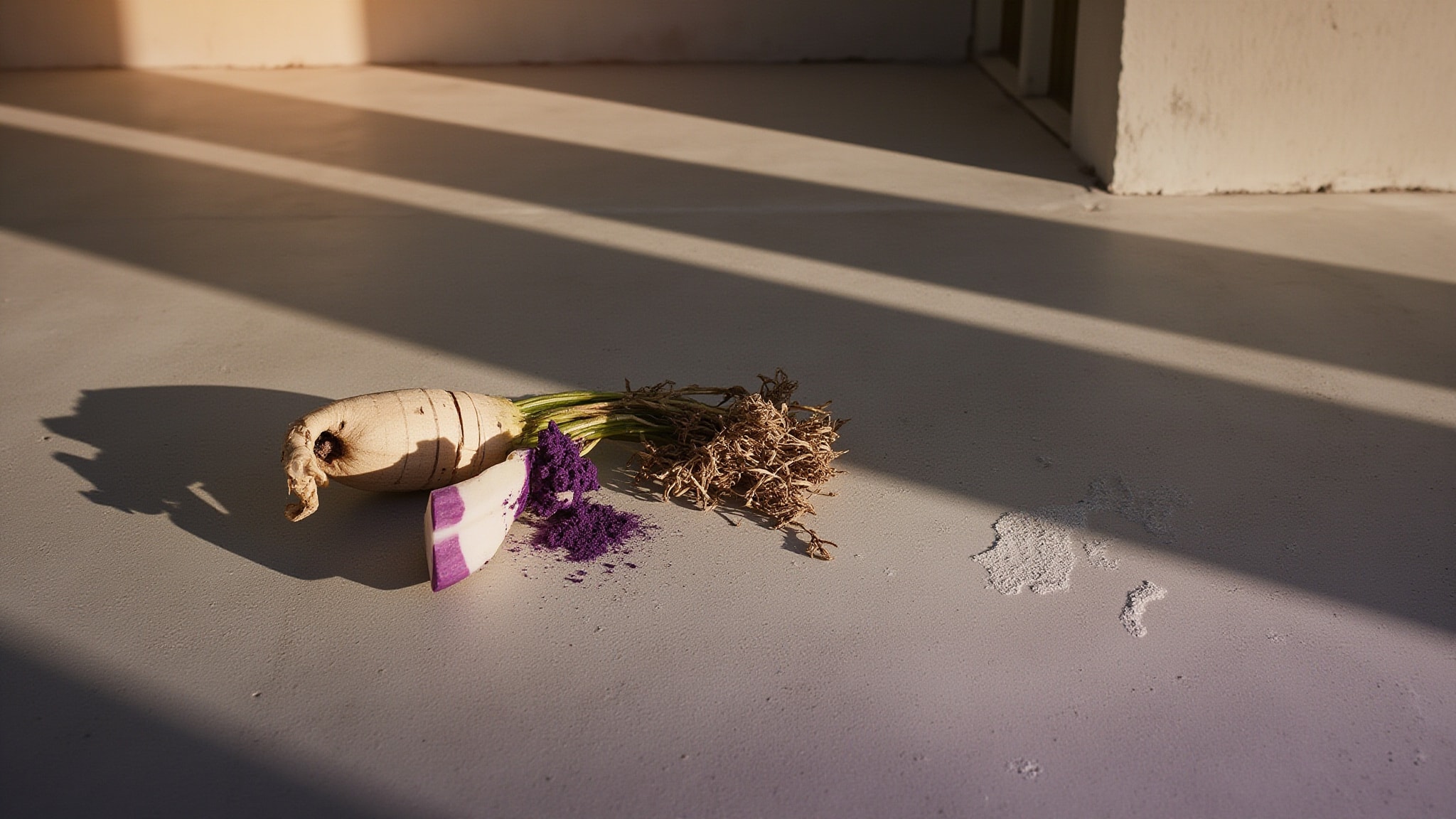
The opening belongs to aldehydes, a bright soapy fizz that reads almost like a fizzy tablet dissolving. Then the green herbal note arrives, tarragon bringing a faint licorice edge, and the aldehydes soften from sparkle to glow. As the iris takes over, it brings a powdery, cool quality with a mineral depth that feels like cold stone in sunlight. The ylang-ylang and rose warm the heart slightly, but the violet keeps it muted, never quite letting the florals bloom into full sweetness. The iris dominates the long middle phase, with orris powder clinging to fabric and skin in that unmistakable cool, slightly metallic way. The drydown shifts as sandalwood and coumarin surface, while vetiver and a touch of vanilla round out the base. The musk keeps it close to skin, a quiet hum rather than a projection.
Cultural impact
The iris emphasis gives La Fuite des Heures a meditative quality, a quieter register that separates it from bolder compositions in the chypre family. The iris dominates with a cool, rooty authority that turns the whole composition inward, away from projection and toward contemplation. The floral heart never lifts its voice; it stays in a hushed register throughout. The result is a fragrance that feels like a private room rather than a stage, a piece of postwar French perfumery that rewards close attention.