The Story
Why it exists.
The beginning
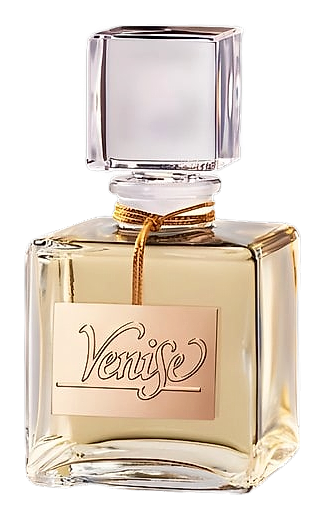
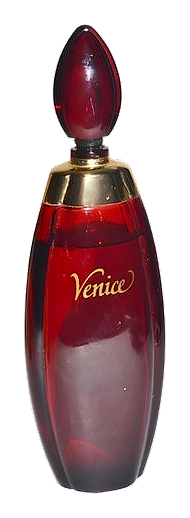
Venice arrived in 1986, crafted by perfumer Max Gavarry for a woman who knew exactly what she wanted from a fragrance. Named for the city of canals and candlelight, it was designed to evoke something timeless rather than trendy, an oriental floral with the warmth of old velvet and the confidence of a woman who doesn't need to fill the room to be remembered. Gavarry built the composition around powdery florals and warm resins, creating something that felt intimate without being shy, romantic without being sweet. The brand's botanical roots gave it structure; the era gave it ambition.
What makes Venice unusual is the combination of orris root and civet alongside the more expected rose and jasmine. The orris adds a powdery iris quality that lifts the florals, while the civet gives the base a subtle animalic warmth that stops the vanilla and amber from reading as merely sweet. It's a composition that balances powder and warmth, florals and resin, the refined and the slightly wild. That tension is what keeps it interesting eight hours in.
The evolution
The opening arrives bright, bergamot and green notes with a flash of lemon, the peach giving it a soft, slightly ripe quality. Within twenty minutes the florals take over: rose and jasmine bloom alongside ylang-ylang, but the orris root keeps everything powdery and restrained. No explosion. Just a gradual, confident bloom. By the second hour the composition settles into its warm heart. Patchouli and carnation add an earthy, slightly spicy undertone while the florals remain present but softer. The green notes from the opening have mostly vanished, replaced by something creamier and more intimate. The drydown is where Venice earns its reputation. Sandalwood, vanilla, and benzoin create a warm, powdery base that lingers close to the skin for hours. The oakmoss and musk hold everything together, giving it that vintage character that wearers describe as dark red velvet. Moderate sillage means it won't fill a room, but it will stay with you, and with anyone who gets close enough, long after the florals have faded.
Cultural impact
Venice represents what made Yves Rocher's fragrance catalog so beloved in the 1980s: quality compositions at accessible price points, available through the brand's catalogue system. Reviewers consistently describe it as the kind of vintage fragrance that people order for their mothers and end up keeping for themselves. While discontinued, it remains a reference point for fans of warm, powdery oriental florals from that era.