The Story
Why it exists.
The beginning
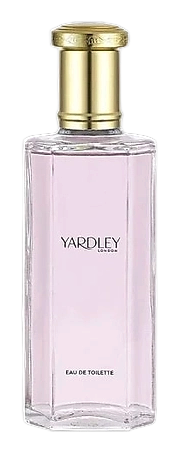
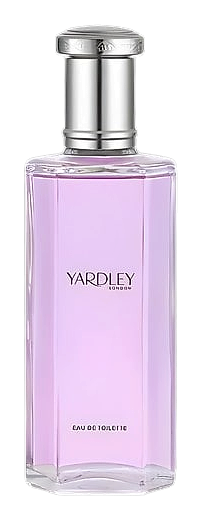
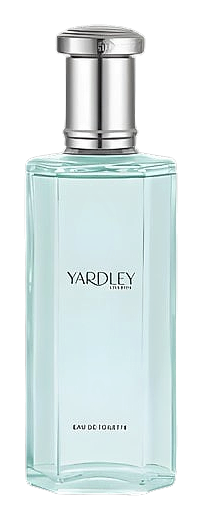
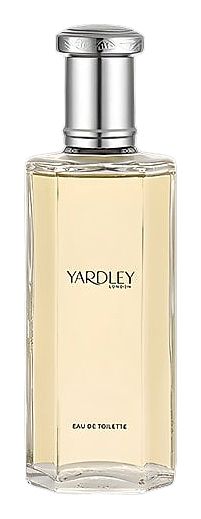
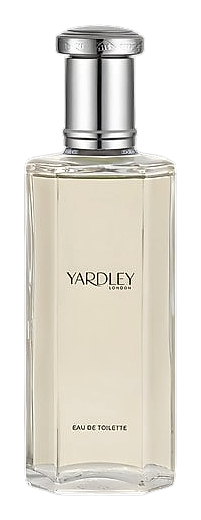
English Honeysuckle comes from Yardley, a British house with a long relationship to florals and soaps. The brief, at least in spirit, was to bottle a country garden in its prime. Not a literal garden with soil and mulch, but the version a Londoner carries in memory, honeysuckle spilling over a flinty cottage wall, jasmine somewhere behind it, the air still cool from the night before. The composition leans on green leaf and honeyed nectar at the top, a creamy white-floral heart where jasmine lends its soft, indolic warmth to the star of the show, and a base that pulls toward something powdery and grounded.
The choice of black pepper in the opening is the move that earns the rest its credibility. Without it, honeysuckle and jasmine would land as a simple white floral, pleasant but forgettable. The pepper gives a small spark of bite, a wink of warmth before the sweetness arrives, and it keeps the citrus above it from feeling like a separate accord tacked on for brightness.
The evolution
On skin, the first ten minutes belong to bergamot and black pepper, sharp and bright, the citrus pinging while the pepper ticks underneath. The opening has a clean, almost bracing quality, like stepping outside on a cool morning, and the green leaf note adds a faint, crushed-stem bitterness that keeps the citrus from feeling too polite. Then honeysuckle takes the wheel, and the whole thing goes soft and green, sweet without ever crossing into syrup. The honeyed character of the flower comes through clearly here, nectarous but airy, with a lactonic softness that suggests sunlight rather than sugar. Jasmine arrives around the twenty-minute mark, adding a creamy warmth that steadies the sweetness so it doesn't feel like candy. The jasmine here reads more creamy than indolic, a soft, petal-smooth presence rather than a heady one, and it gives the honeysuckle a fuller body to rest against.
Cultural impact
English Honeysuckle is the sort of fragrance that earns its place in a collection through consistency rather than novelty. Its heliotrope base and honeysuckle-led character give it a soft, rounded signature that feels familiar without being dated, and its powdery drydown lends it a comfort that reads well in any season. For wearers who like their florals creamy and unhurried, it offers a clear, accessible take on the genre, one that doesn't lean on sharp green accords or aggressive sweetness to make its point.
The House
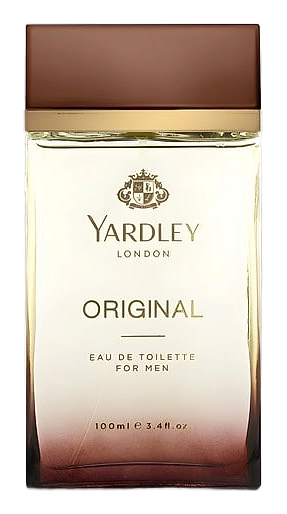
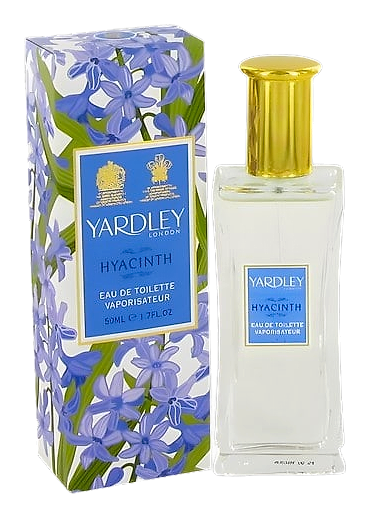
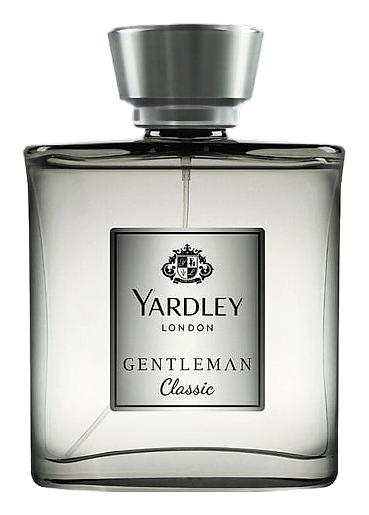
YardleyYardley London is a British fragrance house that traces its commercial origins to 1770, when the Cleaver family opened a modest soap shop in the City of London. Over two centuries the brand expanded from hand‑crafted soaps to a portfolio of eau de toilettes, body lotions and grooming accessories. Its scent catalogue includes enduring classics such as Yardley Original, the floral Laughter (1975) and the bright Pink Lace (1988). Today Yardley balances historic British charm with contemporary retail channels, offering consumers a recognizable scent heritage.
The Creator
Jean-Charles MignonMignon gravitates toward clarity and structure. His compositions tend to unfold with purpose rather than cascade into excess.