The Story
Why it exists.
The beginning
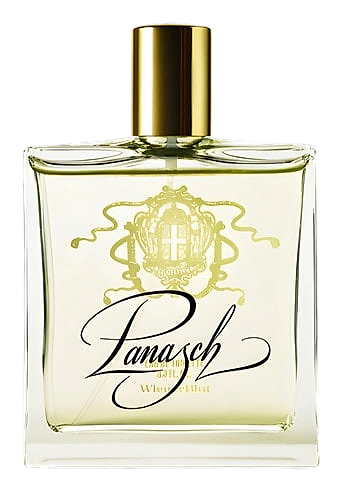
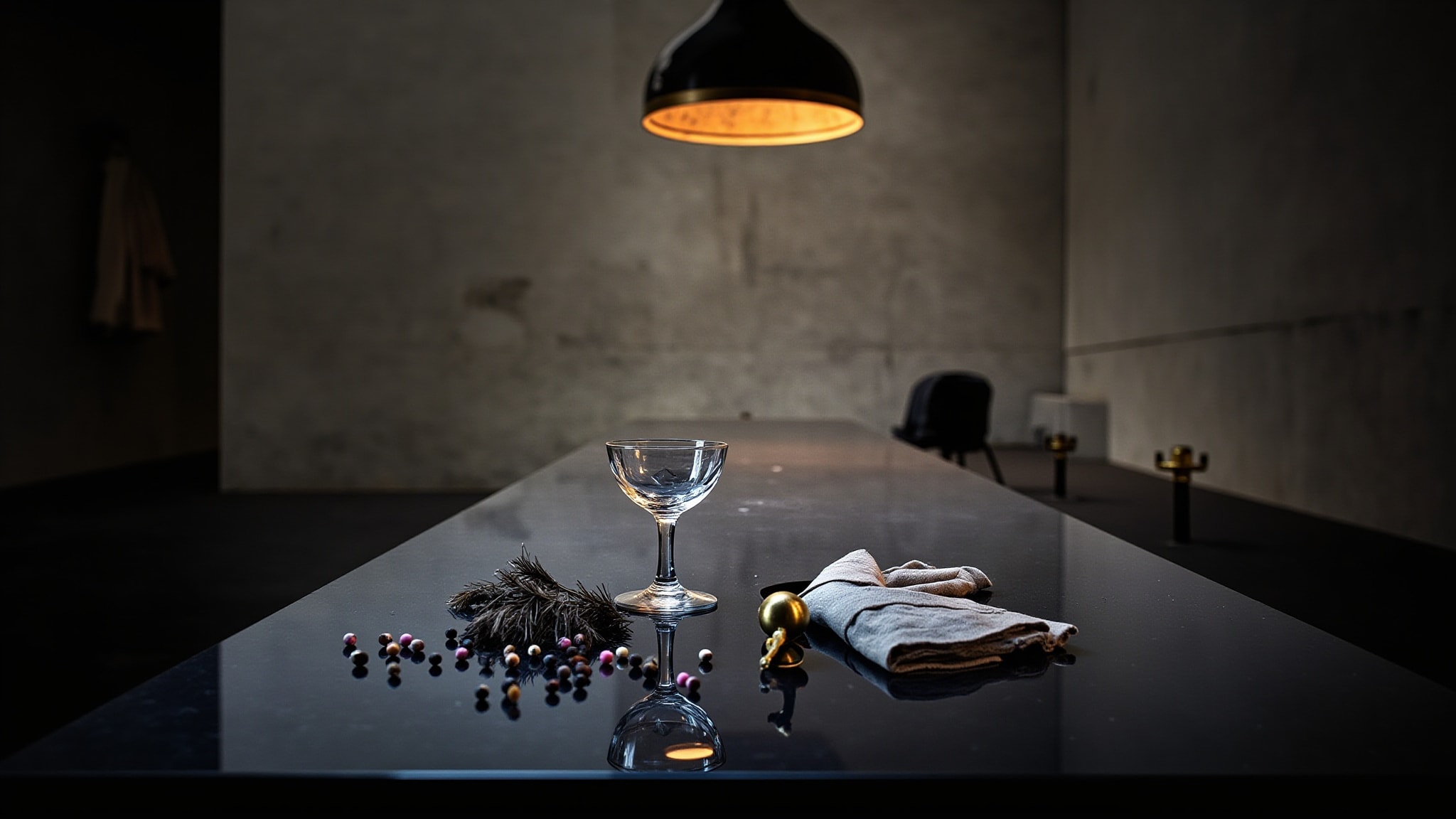
Panasch draws its name from the military term for the plume atop a hat or helmet, the kind that marked rank and audacity in the same breath. The reference is Henry IV's rallying cry, "Ralliez-vous à mon panache blanc!" Follow my white plume, the white feather that meant courage worn where everyone could see it. WienerBlut translated that idea into scent in 2012 with perfumer Pierre-Constantin Guéros, constructing a composition that announces itself loudly and with conviction. The opening is sharp, almost confrontational: two peppers, violet leaf, and elemi collide in a bright, spicy accord that doesn't ask permission.
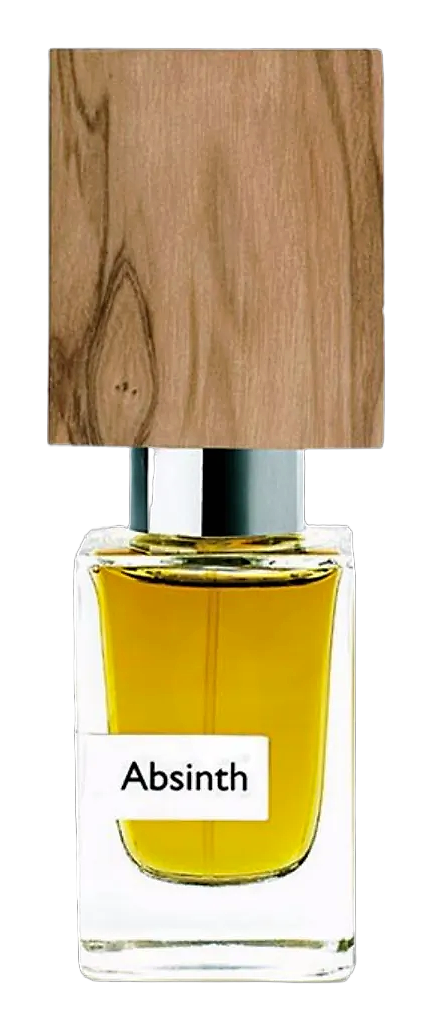
What's interesting here is the structural choice to lead with two peppers plus violet leaf and elemi, a quartet that doesn't behave like a typical aromatic fougère. The absinthe, wormwood and grande absinthe combined with spruce balsam, creates a bitter-green engine in the heart that most woody-spicy fragrances dodge. Vermouth sits in there too, and you can smell it, that dusty herbal sweetness of fortified wine left open on a side table.
The evolution
The first 15 minutes are loud and sharp. Black pepper and pink pepper hit together, sharpened by violet leaf's cool green metallic edge, with elemi lending a lemony resin glow underneath. The cedar leaves add a dry evergreen static. This phase projects, and it will be noticed. Then the absinthe reveals itself. Wormwood and armoise arrive with their bitter herbal charge, layered against spruce balsam's forest-floor warmth and a dusty hint of vermouth that reads almost like wine left in a glass. It's the strangest, most distinctive stretch of Panasch, bitter and cool and slightly menacing, and it holds for 2-3 hours. The cedarwood softens, the tonka bean rounds the edges, and patchouli deepens things into a warm, slightly sweet woody base. The vetiver arrives last, dry and earthy, anchoring everything to skin. At 6-8 hours you're left with a soft woody-spicy hum, cedar and tonka still discernible, closer to the body but still present the next morning on fabric.
Cultural impact
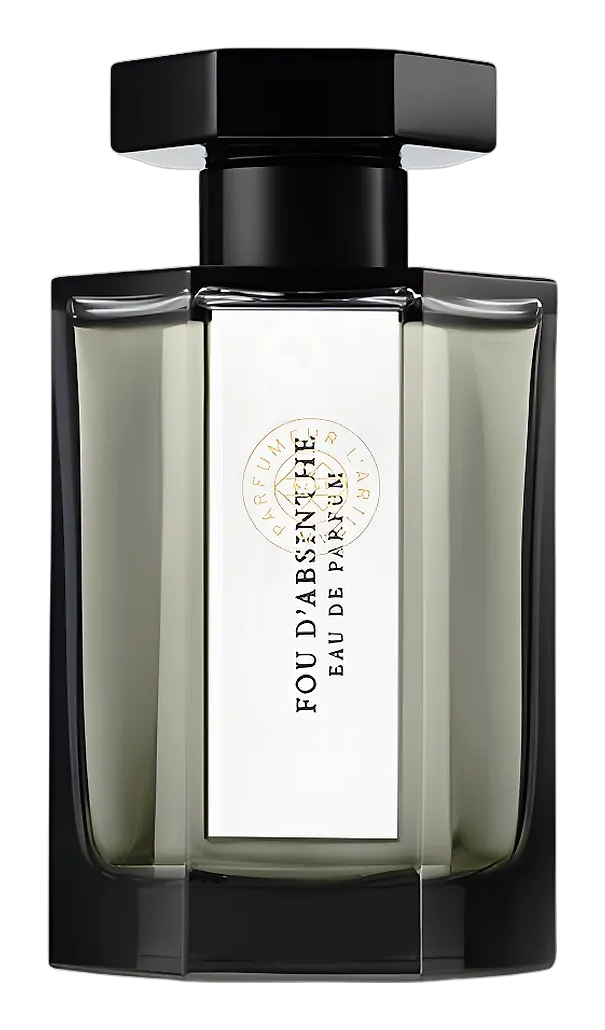
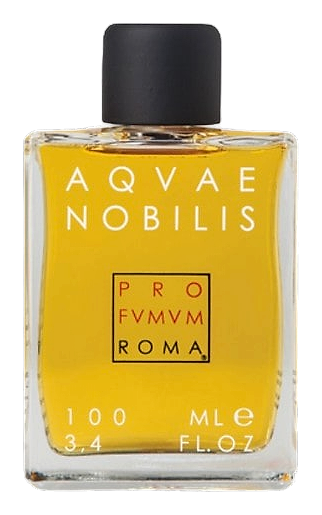
Panasch occupies an unusual corner of the aromatic-spicy category by refusing to soften its herbal heart. Wearers compare it to L'Artisan Parfumeur's Fou d'Absinthe and Profumum Roma's Aquae Nobilis, placing it in conversation with other bitter-herb-forward compositions rather than mainstream pepper fragrances. It draws its share of attention from collectors who actively seek out absinthe-heavy compositions and who appreciate a fragrance that leads with wormwood rather than burying it under sweetness.