Spruce balsam
Spruce balsam captures the sharp, fresh energy of boreal forests. Its crisp conifer character conveys snow-laden branches and cold air, adding resonant forest depth and natural elegance to masculine and woods-focused fragrances.
Character
How it smells
The sharp, fresh soul of the northern forest.
Black spruce, the primary source for spruce balsam, thrives in Canada's boreal forests where temperatures plunge below minus 40 degrees Celsius, developing exceptionally aromatic oleoresin.




Origin
Canada
Conifer resins have served human needs for thousands of years, with spruce and related species playing prominent roles across multiple cultures. Native American peoples of the northern forests used spruce oleoresin extensively for medicinal purposes—treating wounds, respiratory conditions, and ceremonial needs—knowledge that early European settlers adopted and expanded upon.
The term "balsam" itself carries ancient lineage, originating from Semitic languages and entering Greek and Latin perfumery traditions through classical-era trade networks. Medieval European herbalists incorporated conifer resins into medicinal preparations and religious rituals.
The development of modern perfumery in the 19th century brought systematic extraction methods to these traditional materials, transforming forest-floor ingredients into refined aromatic materials for fragrance creation. Today, spruce balsam represents a bridge between ancient forest traditions and contemporary perfumery artistry, maintaining its cultural significance while serving as a modern fragrance ingredient.
Wears it best
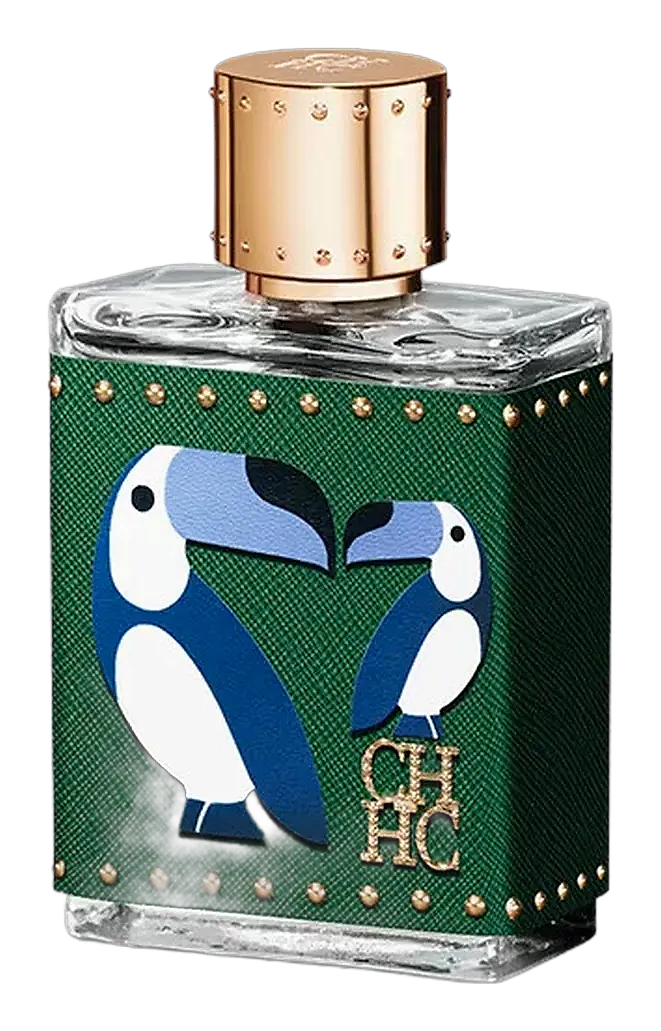
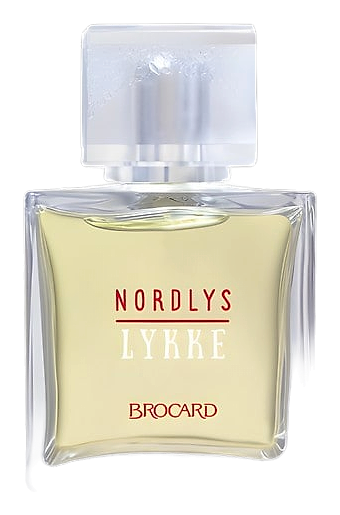
Fragrances featuring Spruce balsam
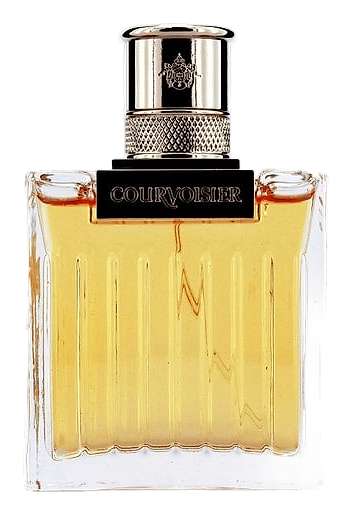
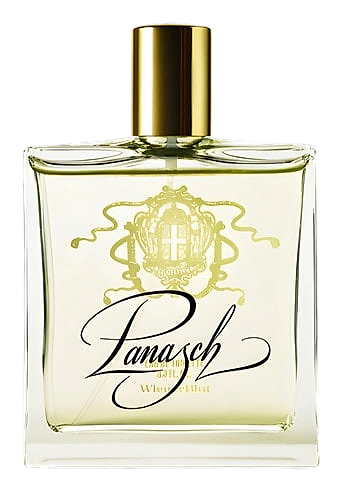

Brands
Brands known for Spruce balsam
Good to know
Questions, answered
The essentials on Spruce balsam in perfumery: how it smells, where it comes from, and how it behaves on skin.
What is spruce balsam?
Spruce balsam is a fragrant oleoresin extracted from spruce trees, primarily black spruce found in North American boreal forests. It delivers fresh conifer freshness with warm, slightly sweet undertones and dry woody base notes that add natural forest depth to fragrance compositions.
What does spruce balsam smell like?
Spruce balsam opens with bright, piercing conifer freshness followed by warm balsamic sweetness and a dry woody finish. Black spruce oleoresin delivers clean, sharp character with subtle honey-like undertones that distinguish it from harsher conifer materials.
How is spruce balsam extracted?
Perfumers extract spruce balsam using solvent extraction, typically with hexane or ethanol. The solvent draws aromatic compounds from the oleoresin channels in spruce bark. This yields a viscous, dark green absolute requiring dilution before incorporation into fragrance formulas.
What fragrances pair well with spruce balsam?
Spruce balsam combines naturally with other conifer materials including cedar, pine, and fir. For contrast, citrus oils brighten its freshness, while incense and vanilla enhance its warmth and sophistication. It works exceptionally well with other woody ingredients in masculine and outdoor-themed fragrances.
Is spruce balsam seasonal?
While strongly associated with winter, spruce balsam adapts across seasons. Summer applications leverage its crisp forest freshness, while winter formulations use its sharp conifer character to evoke cold air and snow-laden evergreen branches. The ingredient's versatility supports year-round use.
Can synthetic alternatives replace natural spruce balsam?
Synthetic alternatives exist but capture only portions of the complex natural profile. Natural oleoresin offers aromatic depth that lab-created materials struggle to replicate fully. Perfumers seeking authenticity generally prefer natural spruce balsam despite higher cost and sourcing complexity.
Does origin affect spruce balsam character?
Geographic origin significantly influences the oleoresin's aromatic profile. Northern boreal forests produce materials with deeper, more complex aromatic development than warmer climates. Growing conditions, soil composition, and seasonal temperature variation all shape the final material's character.
What is the historical significance of spruce balsam?
Conifer resins have served humans for millennia across cultures. Native Americans used spruce oleoresin for medicine and ceremony. Ancient Mediterranean civilizations employed similar resins in religious rituals. Medieval European herbalists incorporated these materials into remedies. The word 'balsam' descends from ancient Semitic roots through Greek and Latin into modern perfumery.