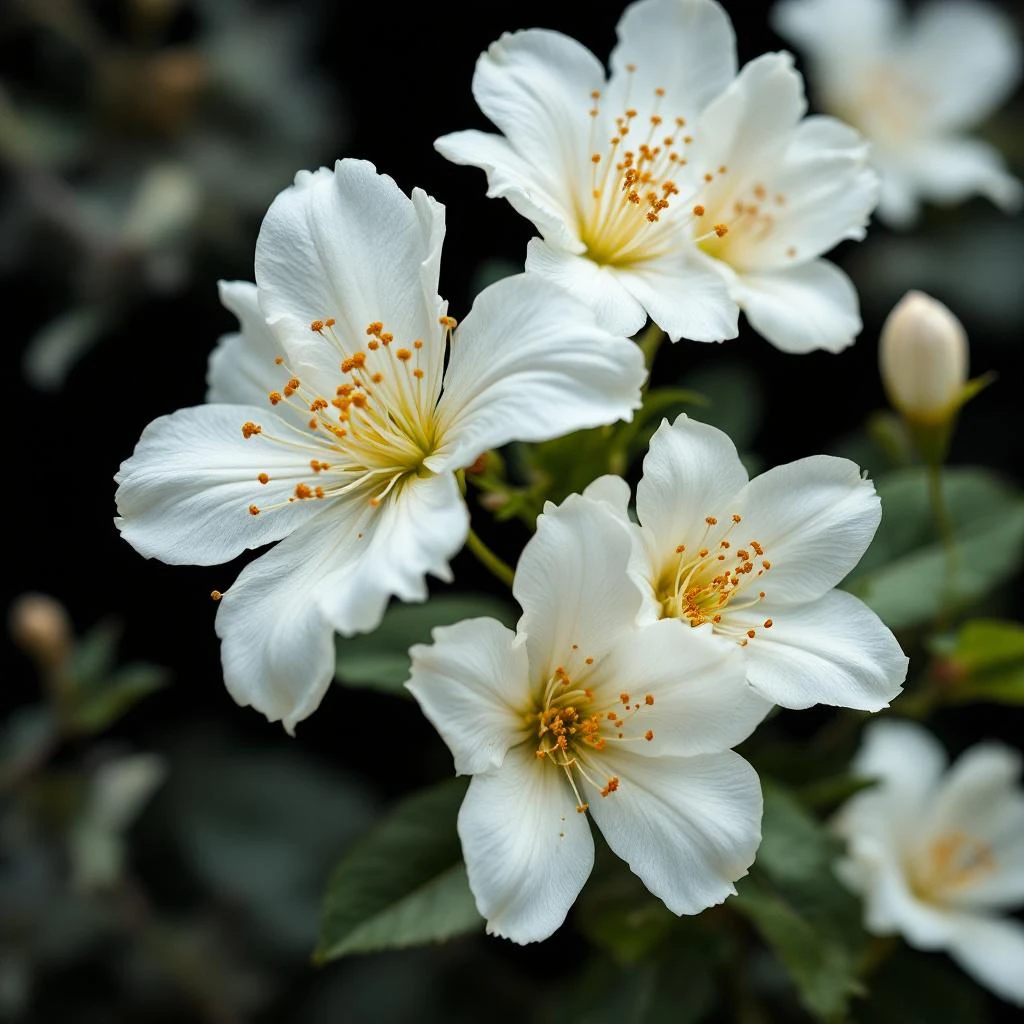
Calla
Calla lily offers a fresh, aquatic floral scent that whispers of dewy ponds and crisp green leaves, adding a luminous facet to modern perfume compositions.
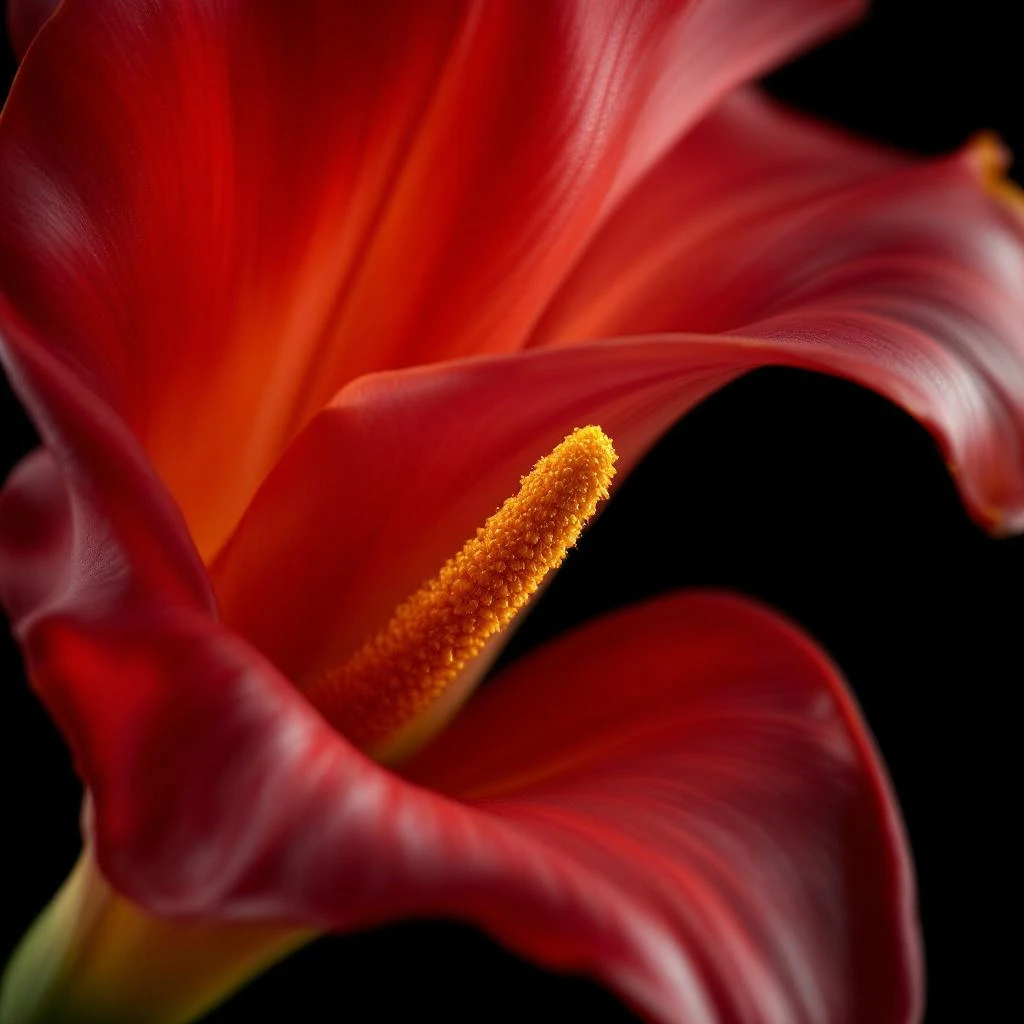
Character
How it smells
Fresh aquatic florals, captured from the calla lily.
Calla lilies were first cultivated by ancient Egyptians for ceremonial garlands, and their scent was later extracted using solvent methods in the early 20th century, making them one of the few aquatic flowers in perfumery.







Origin
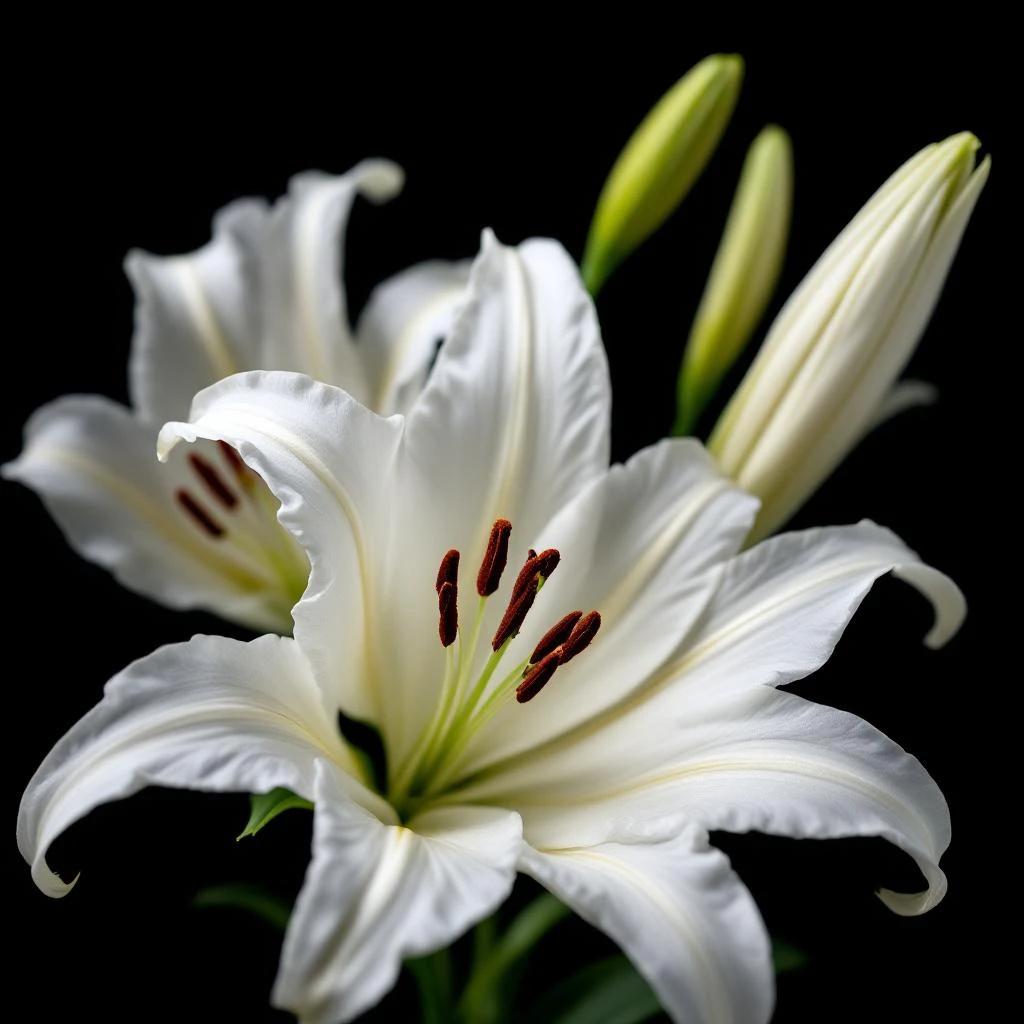
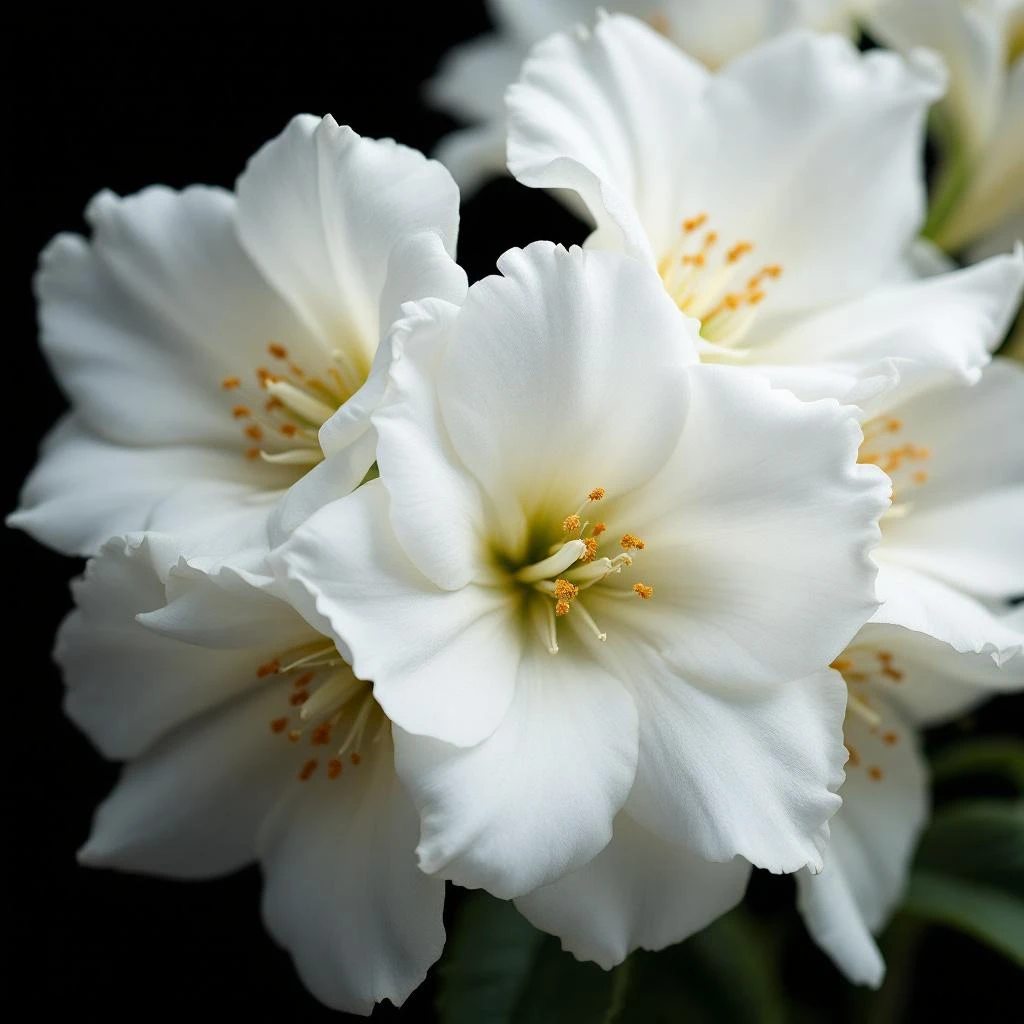
South Africa
Calla lily first entered the fragrance world through ancient Egypt, where the flower adorned temples and was infused into scented oils for royalty. Egyptian scribes recorded the plant’s use in balms that combined the lily’s fresh aroma with honey and myrrh.
The flower spread across the Mediterranean during the Roman era, appearing in garden mosaics and luxury cosmetics. In the 19th century, European chemists began experimenting with extraction techniques, and the first calla lily absolute appeared in Parisian ateliers around 1908.
The note gained popularity in the mid‑20th century as perfumers sought aquatic florals to evoke modernity. Today, calla lily remains a niche but prized ingredient, valued for its ability to lift compositions with a clean, watery elegance.
Wears it best
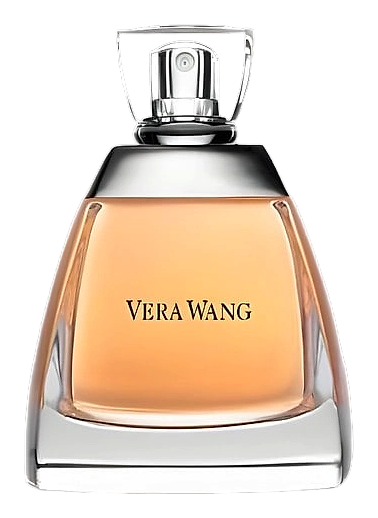
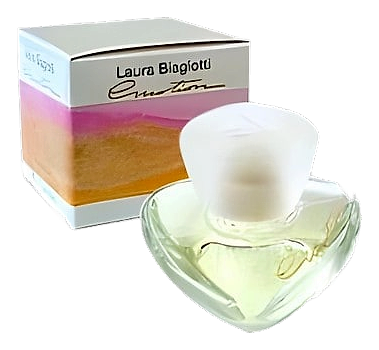
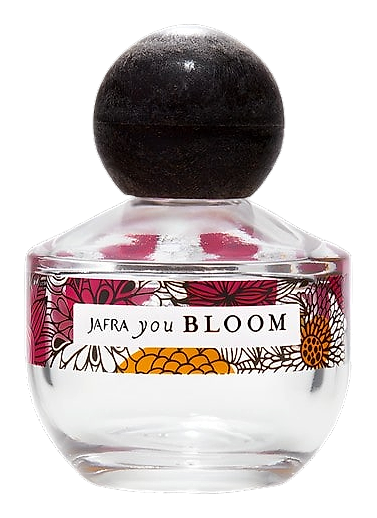
Fragrances featuring Calla
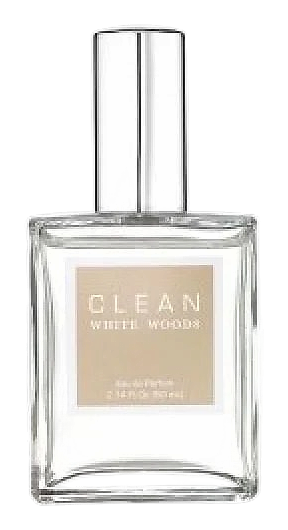
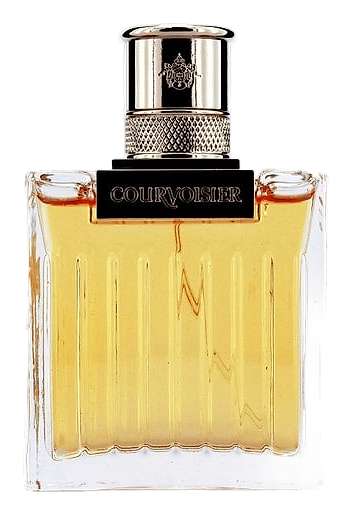

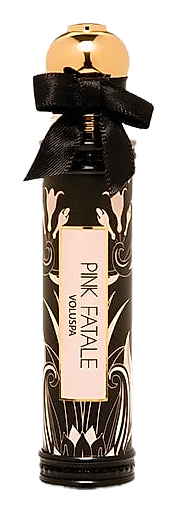
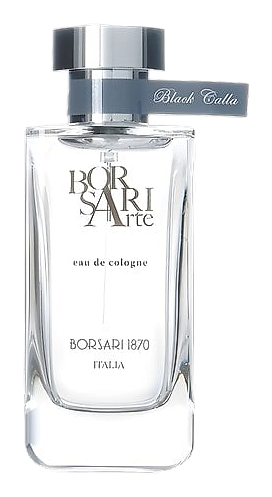

Brands
Brands known for Calla
Good to know
Questions, answered
The essentials on Calla in perfumery: how it smells, where it comes from, and how it behaves on skin.
What does calla lily smell like?
Calla lily smells like a clean, watery floral with subtle green leaf nuances and a faint hint of fresh cut stems. It often evokes the cool air of early morning wetlands, offering a subtle lift to compositions.
Is calla lily used in natural perfumery?
Yes, calla lily appears in natural perfumery as an absolute derived from fresh petals. In 2021, over 90 perfume houses listed calla lily absolute in at least one of their natural collections. The ingredient contributes a bright, aquatic facet that blends well with citrus and green accords, making it a favorite for spring‑time blends.
How stable is calla lily absolute in a fragrance?
Calla lily absolute retains its character for up to 18 months when stored in amber glass at 20 °C, but it oxidizes faster than many woody absolutes. A 2020 stability test recorded a 12 % loss of key aroma compounds after 12 months.
Does calla lily cause allergic reactions?
Calla lily can trigger skin sensitization in a small percentage of users. Patch‑test data from 2019 shows 2.3 % of participants reacted to the absolute at 1 % concentration. Symptoms typically include mild redness and itching, which subside after discontinuing use. The risk remains low compared with many citrus absolutes.
Which extraction method yields the purest calla scent?
Solvent extraction of fresh petals produces the most faithful representation of calla lily’s aroma. In a comparative study, the absolute retained 78 % of the flower’s original volatile profile, while steam distillation captured only 42 %. The richer profile includes subtle green leaf notes that evaporate quickly in distilled extracts, making solvent‑derived absolute the preferred choice for high‑end natural blends.
Where does the majority of calla lily raw material come from?
South Africa supplies roughly 68 % of the global calla lily harvest. The KwaZulu‑Natal region accounts for 45 % of that output, according to the 2022 export report. Local growers favor the warm, humid climate of the coastal plains, which yields larger blooms and higher oil content than inland farms.
How does calla lily complement other notes?
Calla lily bridges watery florals and crisp greens, allowing it to lift citrus top notes while softening heavy amber bases. In a 2023 formulation trial, adding 5 % calla lily absolute increased perceived freshness by 22 % without masking surrounding accords. The note also adds a subtle marine nuance that enhances the overall vibrancy of the blend.
Can calla lily be synthetically reproduced?
A synthetic analogue, known as “Calylactone,” mimics the watery facet of calla lily but lacks the subtle green leaf nuance. Laboratory analysis in 2021 showed the synthetic matched 61 % of the natural absolute’s key odorants. Perfume creators often blend the synthetic with a small dose of natural absolute to restore the missing green dimension.