
The Story
Why it exists.
The beginning
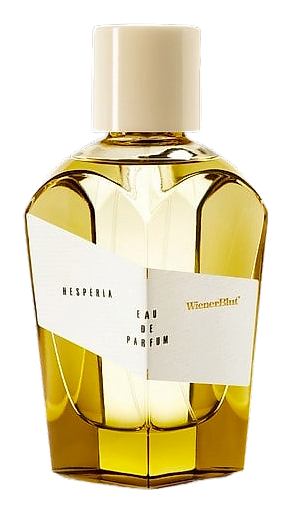
Hesperia arrived in 2015, carrying a name freighted with its Greek root: the western lands, the evening direction, the place where light goes before it disappears. The official line imagines an Orangerie, its doors flung open to the morning air of palace gardens, bright citrus spilling out into the cold. Valerie Garnuch-Mentzel composed it, and the result is a fragrance that reads like a postcard from a place that may not have ever existed in quite this form. The citrus at the top isn't window-clean bright; it's been allowed to darken at the edges by a confident hand. There's a spiced warmth underneath from the opening spritz, and the whole thing feels like cool morning air hitting warm stone, the kind of temperature contrast that wakes up your nose.
What sets Hesperia apart is its refusal to behave like the citrus genre it belongs to. The clove does the heavy lifting early, a warm spice note that gives the opening a grounded, almost savory warmth most citruses simply don't attempt. The mandarin is doubled, leaf and zest pulled apart and repositioned to create a leafy-green tension against the juicier citrus tones. That tension is what makes the first hour feel alive: you get the bright pith of citrus fruit, but right next to it, the cool bitter snap of the leaf it grew on.
The evolution
The first 15 minutes are almost aggressive in their brightness: citron, mandarin leaf, and clove punching through with a clarity that catches the people around you off guard. The clove warms the citrus without dulling it, a sharp-and-spicy paradox that holds your attention even when the sillage is already pulling in. By the 90-minute mark, orange blossom and jasmine have replaced the top, and the composition shifts into something quieter and more sunlit. The florals never go soapy or heavy. They sit close to the skin, like someone walked through a flowering tree and kept walking. You stop noticing the perfume itself and start noticing the warmth it leaves on your collar, the faint sweetness that rises when you turn your head. From the third hour onward, frankincense and boxwood take over, and this is where Hesperia reveals its real trick.
Cultural impact
Hesperia rewards people who think about what they're wearing. It isn't a fragrance that announces itself; it asks for a certain kind of attention, the kind you give a book you're actually reading rather than one you're just holding. The spice and resin give it enough complexity to hold the interest of someone who has worn a lot of perfume, while the accessible citrus opening means it doesn't feel like homework. It occupies a middle ground that is harder to hit than it looks: substantial without being heavy, bright without being simple.