The Story
Why it exists.
The beginning
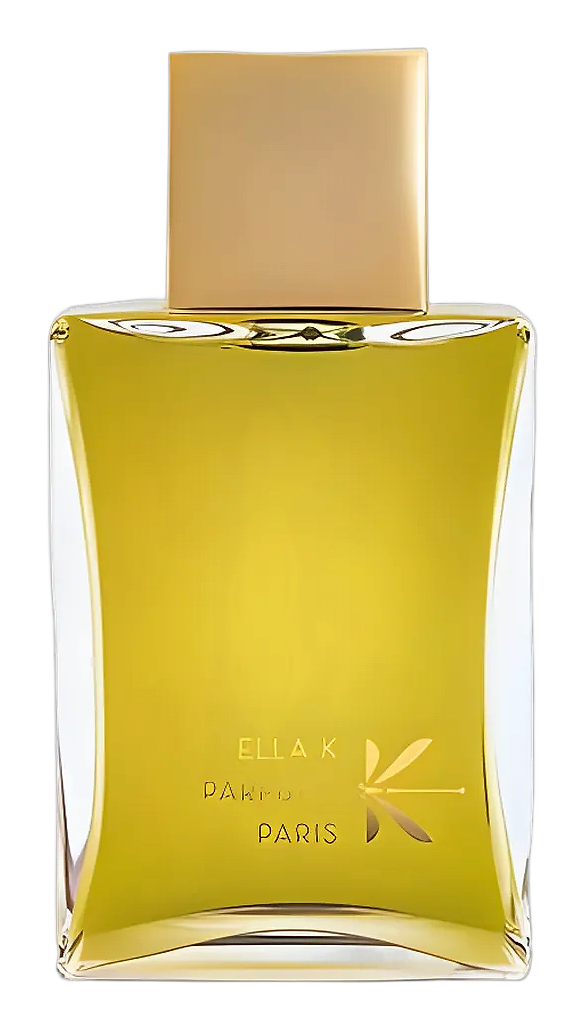
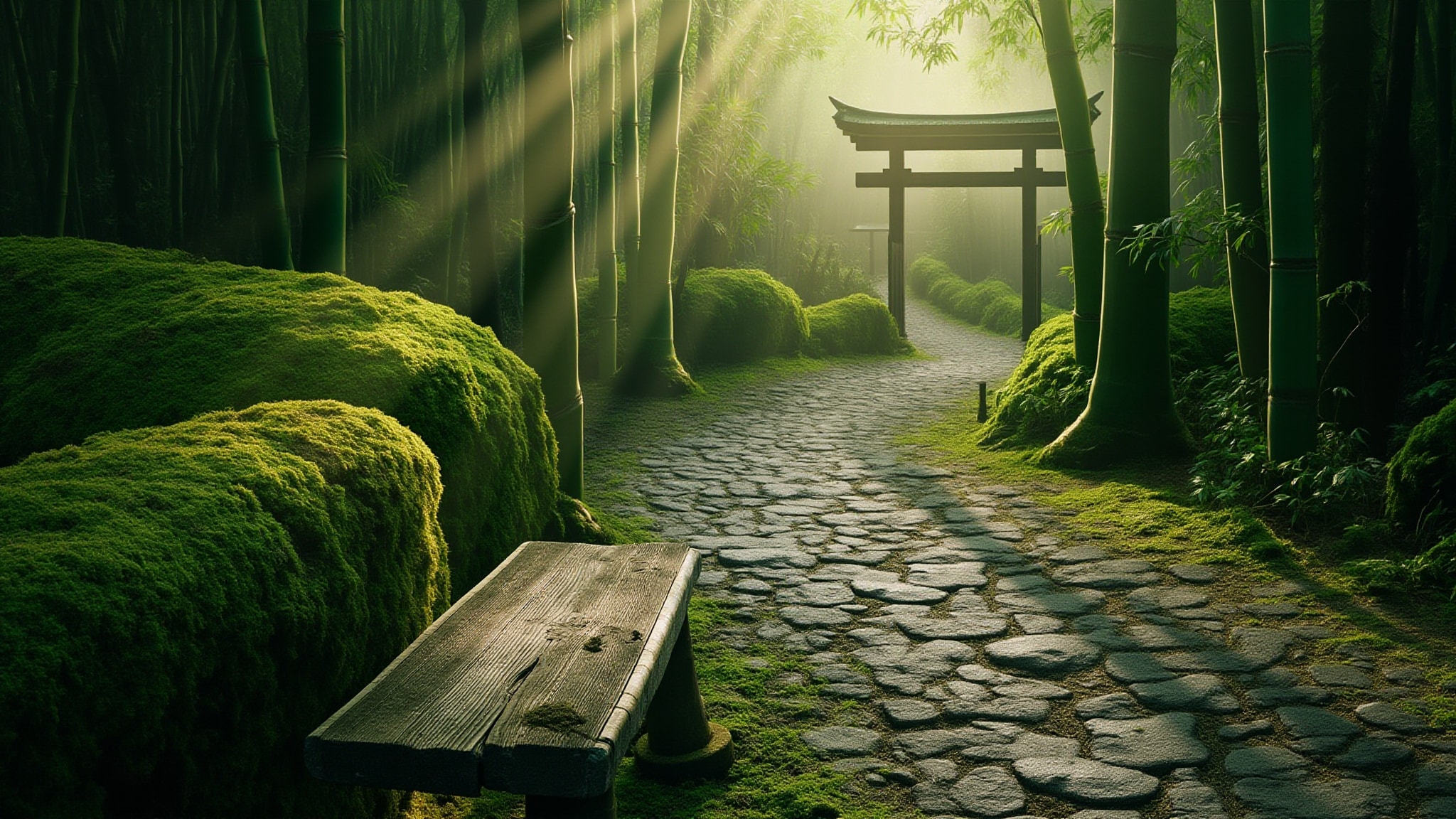
Sagano is a bamboo grove northwest of Kyoto, vast, cathedral-like, UNESCO-protected. When light filters through that canopy, something shifts. Sonia Constant, Ella K's founder and perfumer, spent years translating places into scent. Sagano became one of those translations: not a reconstruction but an impression, an olfactory memory of standing in that green silence. She composed it from her position at Givaudan, where she'd spent two decades composing for major houses before founding her own. The fragrance carries that double life, technically precise, personally felt.
What makes Sagano unusual is the matcha. Not green tea as a generic note, but the watery lushness of the actual ingredient, the way matcha smells when you've just whisked it, before it dries on the bowl. Most tea notes in perfumery go powdery or astringent. Here, bamboo and shiso leaf support the matcha to keep it green, almost damp. The yuzu opens sharp but doesn't lacerate, bergamot rounds it, keeps it from becoming a cleaning product. The citrus is present but not dominant. This is a fragrance about the heart, not the opening act. Cedar and patchouli arrive quietly, building a base that outlasts most of its peers. Longevity isn't an accident here, it's structural.
The evolution
Yuzu and bergamot hit first, bright and slightly bitter. Almost immediately, the grapefruit adds a warm counterpoint, not sweet, just present. This citrus phase lasts perhaps thirty minutes before the bamboo asserts itself, and with it, the matcha. The transition is seamless; it doesn't feel like one note replacing another. It feels like a door opening onto something larger. The bamboo doesn't read as aquatic or fresh-laundry, it's green in a grounded way, like stems cut at dawn. Shiso leaf adds an herbal dimension that keeps it from reading as purely aquatic. Three hours in, cedar begins to emerge from the base, and the patchouli starts to breathe. By hour five, the drydown is musk-forward, warm but restrained. Still present. Still holding. On fabric the next morning, a ghost of cedar and green remains, not projection, just memory.
Cultural impact
Poeme de Sagano draws its creative identity from the ancient Sagano Bamboo Forest located outside Kyoto, Japan. This forest has been recognized as a protected cultural heritage site since 1996, its towering bamboo corridors having drawn visitors for centuries who seek the profound tranquility of the space. The fragrance attempts to translate that specific quality of Japanese garden design where nature and human presence coexist without one dominating the other. This approach of capturing landscape through scent connects to Japanese cultural traditions that have long valued the ephemerality and quiet beauty found in natural settings.