Boxwood
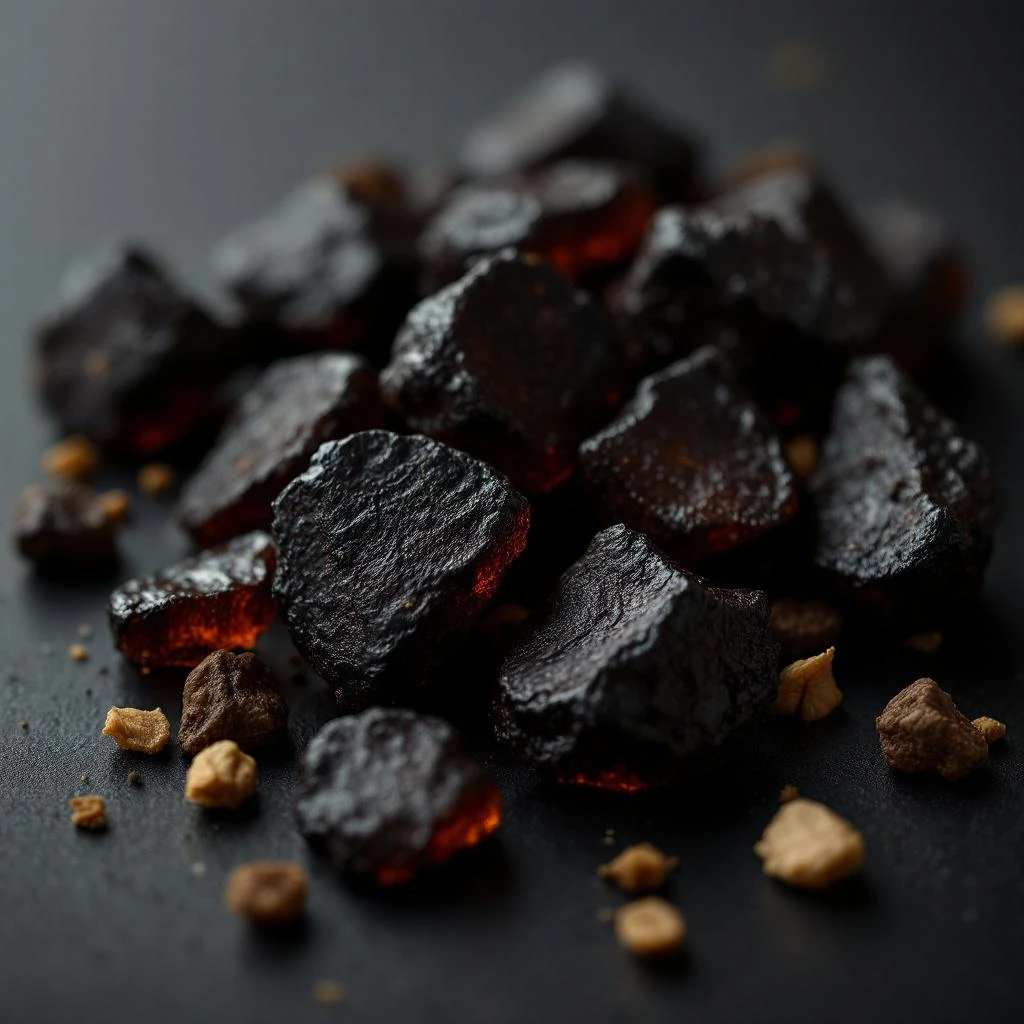
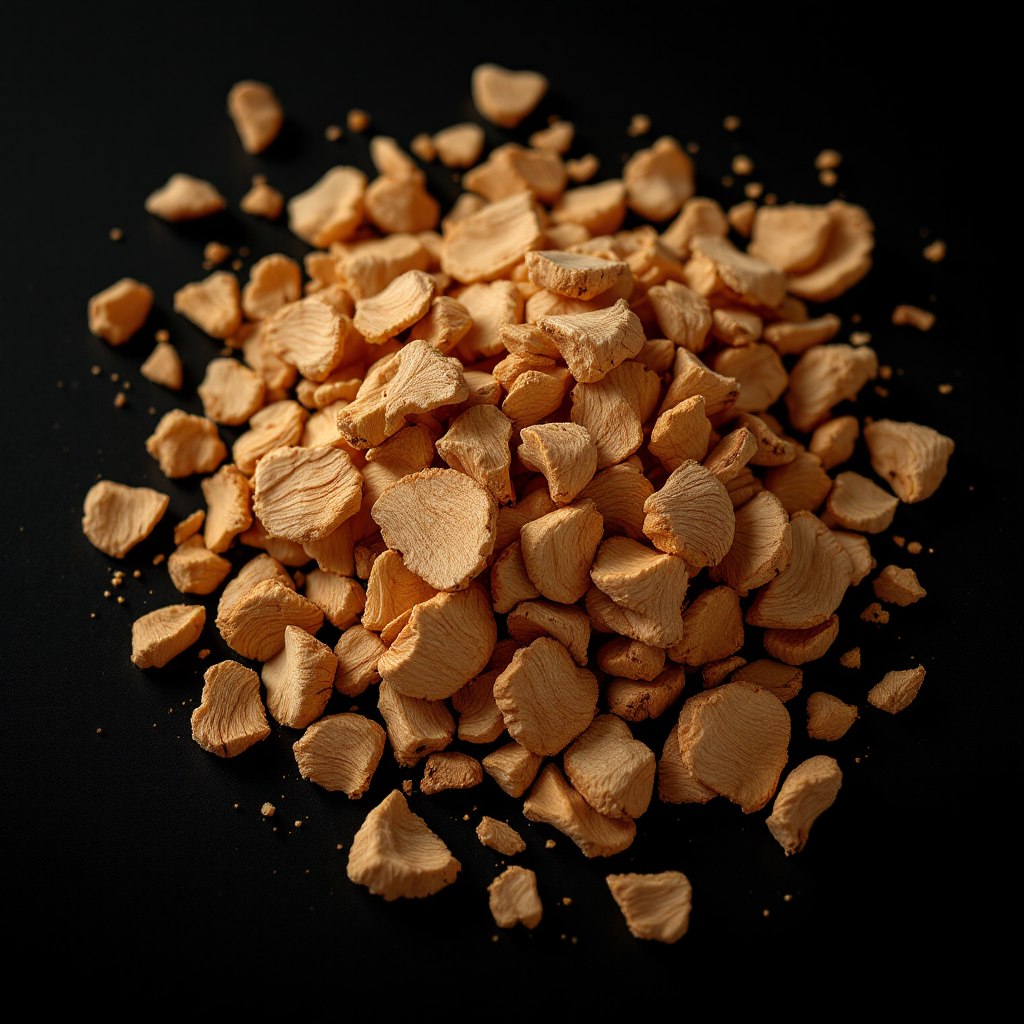
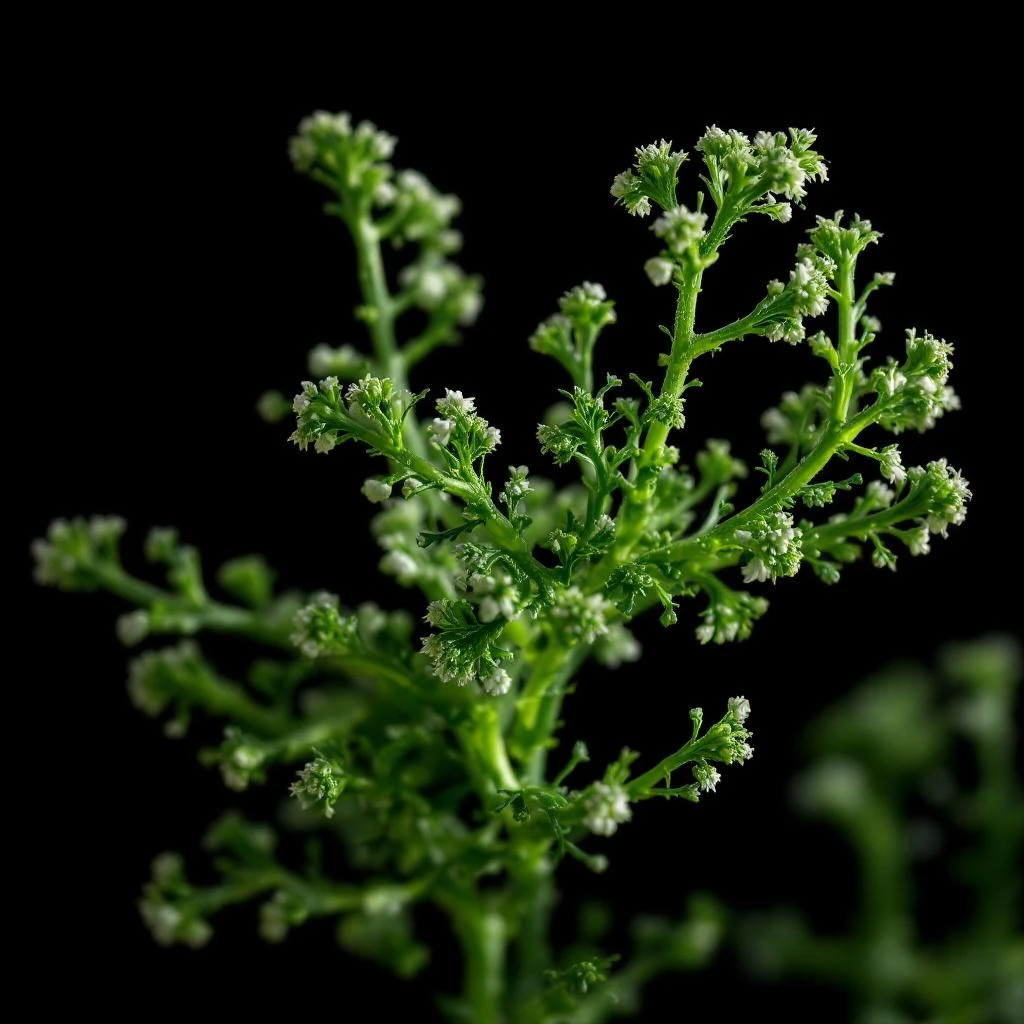
Boxwood absolute delivers a distinctively green, herbaceous character to perfumery. Derived from the leaves and young stems of Buxus sempervirens, it adds leafy, slightly bitter green notes with woody undertones that work as a natural bridge between citrus and wood accords.
Character
How it smells
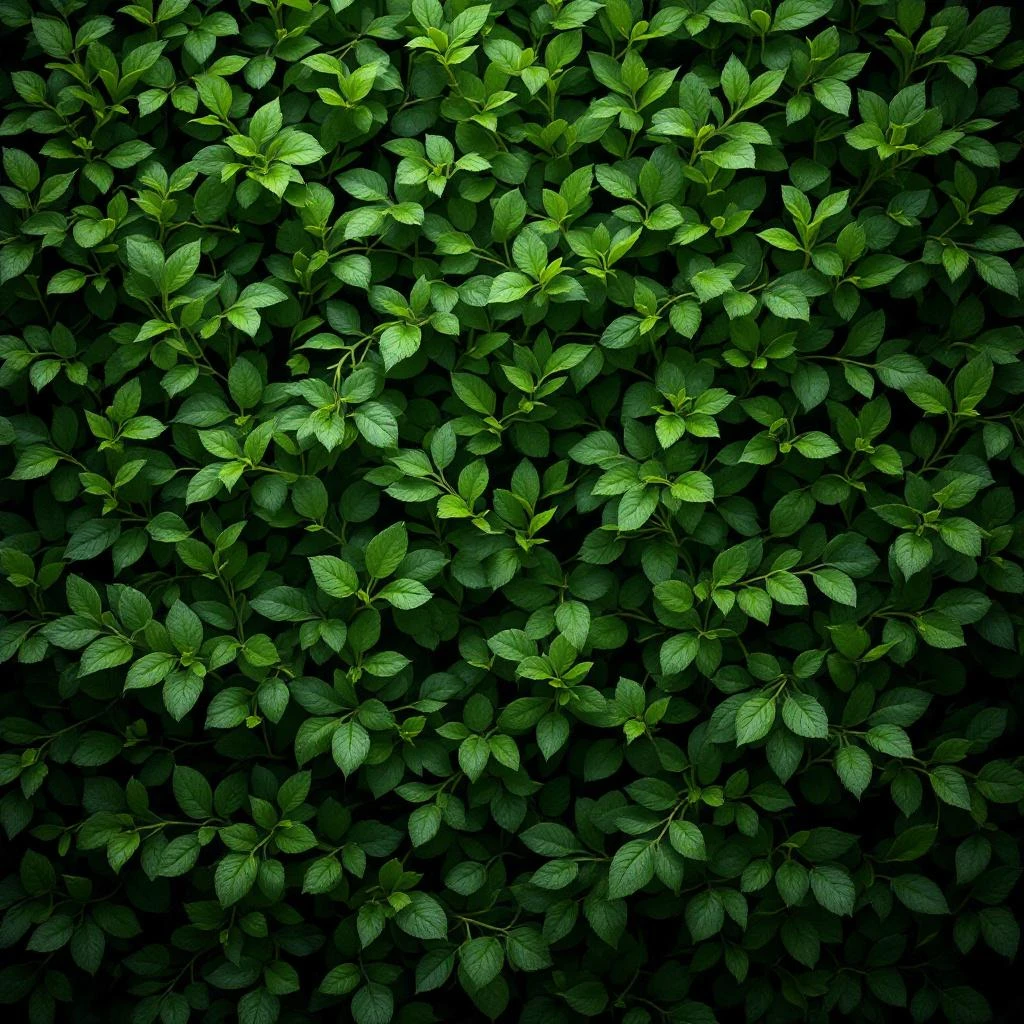
The green soul of ancient European hedgerows captured in aromatic form.
Boxwood was so prized in Roman times that it was used to create crowns for Olympic athletes and military commanders, much like today's gold medals.






Origin
France
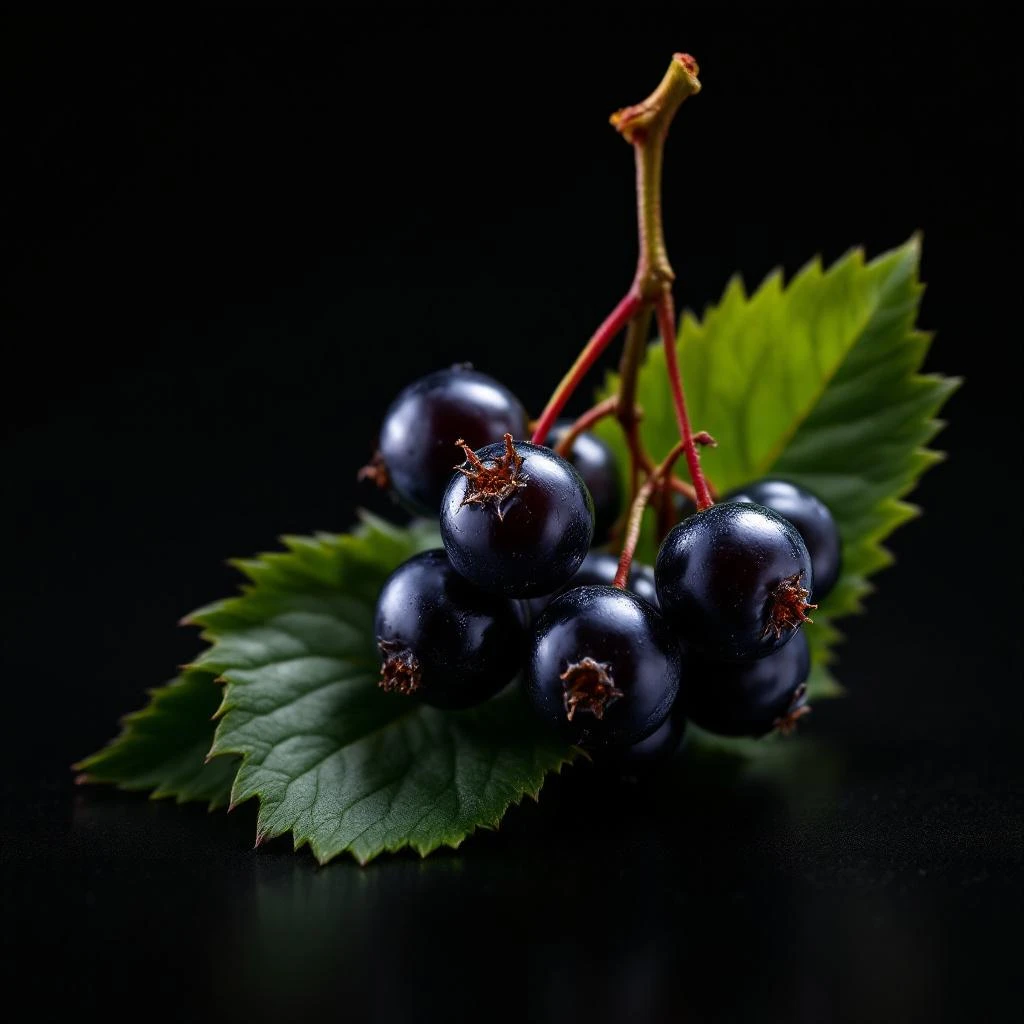
Boxwood has been woven into Mediterranean culture for over two millennia. Ancient Romans prized the plant so highly that it became the primary shrub for elaborate garden hedge designs, and wealthy patricians used boxwood sprigs to crown their guests at banquets. The Greek physician Dioscorides documented boxwood in his pharmacopeia around 50 CE, recommending its leaves for various remedies.
Medieval Europeans discovered boxwood's aromatic qualities and burned sprigs during festivals and religious ceremonies. In 18th and 19th century France, the plant experienced a golden age as formal French gardens reached their peak of popularity. Yet it was perfumers who eventually found the most enduring application for this humble evergreen, recognizing its ability to capture green garden freshness in liquid form.
Today, while commercial cultivation has declined due to changing garden fashions, boxwood remains a treasured material in the perfumer's palette, a living link to ancient Mediterranean traditions.
Wears it best
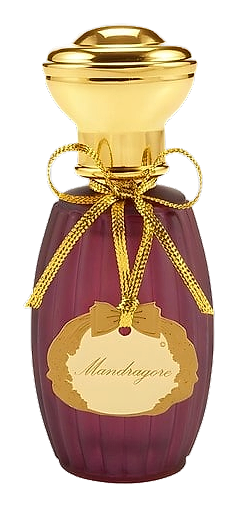
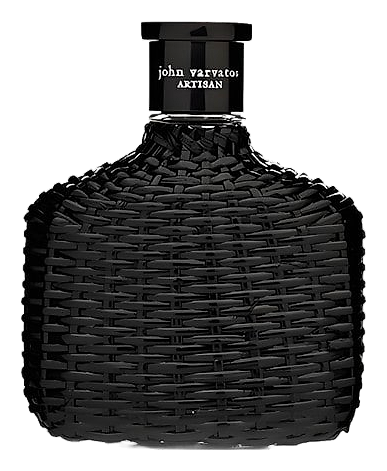
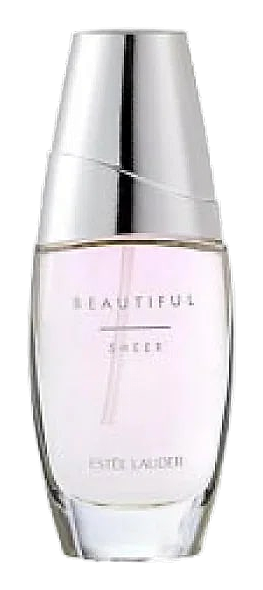
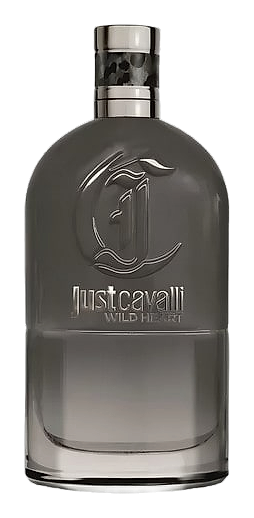
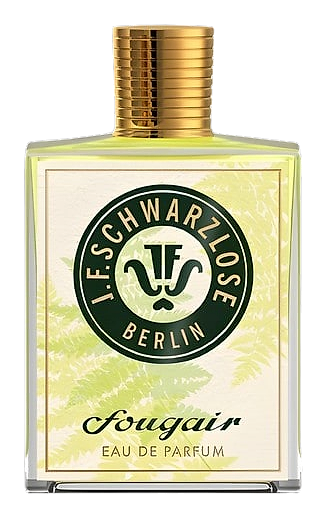
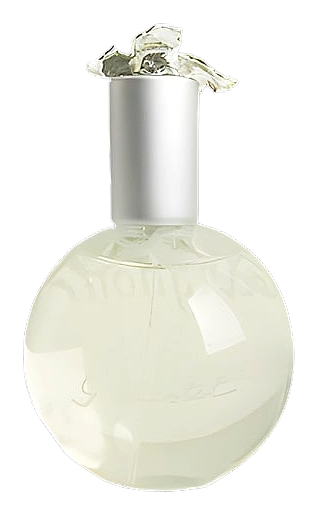
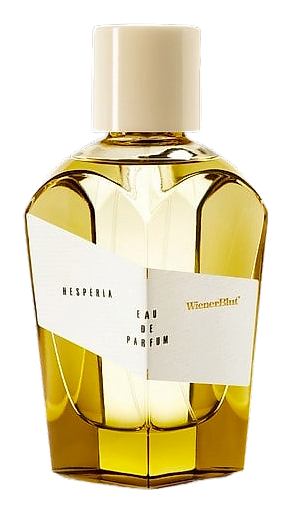
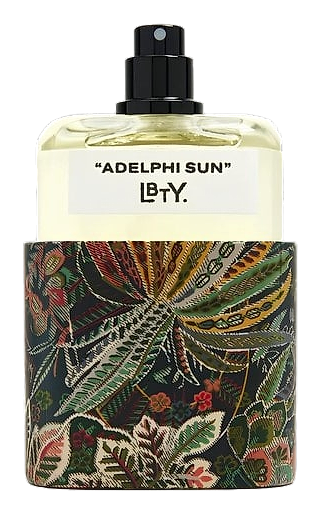
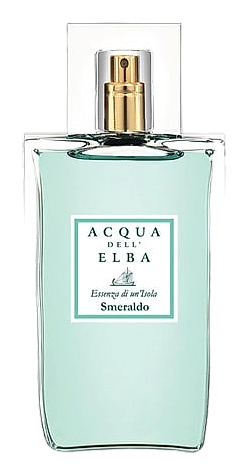
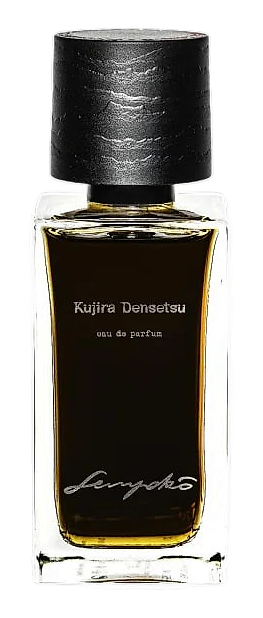
Fragrances featuring Boxwood

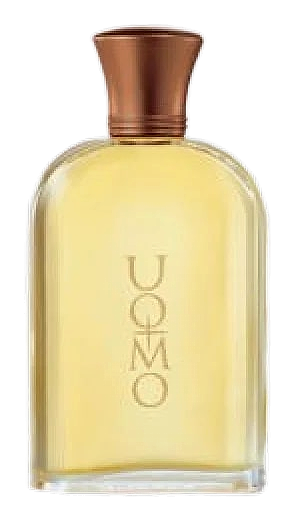
Brands
Brands known for Boxwood
Good to know
Questions, answered
The essentials on Boxwood in perfumery: how it smells, where it comes from, and how it behaves on skin.
What does Boxwood smell like in perfume?
Boxwood smells like crushed fresh leaves with a intensely green, herbaceous character. It carries slightly bitter undertones with woody elements, creating an aroma reminiscent of a just-cut garden hedge. The absolute is potent, requiring only trace amounts to impart its distinctive green signature.
Why is Boxwood used in perfumery?
Boxwood is valued as a natural bridge between citrus top notes and woody base notes. It provides authentic green depth that synthetic materials rarely replicate. Perfumers use it to create genuine herbaceous accords in chypre and fougère families, where its complex profile adds naturalness that laboratory alternatives cannot match.
Is Boxwood in perfume natural or synthetic?
Boxwood exists as a natural aromatic extract derived from Buxus sempervirens. The absolute, obtained through solvent extraction of leaves and stems, contains the full spectrum of aromatic molecules from the living plant. No synthetic equivalent has achieved the same complexity, making the natural material irreplaceable in high-end perfumery.
What famous perfumes contain Boxwood?
Boxwood appears in several classical fragrances including Worth's Je Reviens (1932) and Guerlain's Mitsuoko. The ingredient remains particularly associated with 20th-century chypres and refined green compositions. Modern perfumers continue incorporating it in heritage-style fragrances where its vintage character adds authenticity.
Is Boxwood a top note, heart note, or base note?
Boxwood functions primarily as a heart note in perfumery. Its green character emerges within the first minutes of application but fully develops during the fragrance's mid-phase, creating a bridge between initial citrus or aldehyde top notes and the deeper wood or moss base. The aromatic compounds are sufficiently tenacious to persist through the fragrance's development.
What notes pair well with Boxwood in perfume?
Boxwood pairs naturally with lavender, clary sage, and rosemary for fresh herbaceous effects. In richer compositions, it complements oakmoss, labdanum, and patchouli. For green accord creation, it combines well with galbanum and violet leaf, creating layered natural green effects that read as fresh and garden-like rather than synthetic.
Where does Boxwood come from?
Boxwood (Buxus sempervirens) originates from Western Europe, particularly the Mediterranean region where it grows wild on limestone hillsides. France and Italy serve as primary source countries for perfumery material. Egypt also produces boxwood absolute for international fragrance markets. The plant thrives in mild temperate climates with well-drained alkaline soils.
Is Boxwood used in men's or women's fragrances?
Boxwood has historical roots in men's classic fougères and chypres from the mid-20th century, though it appears in women's compositions as well. Its green, slightly bitter character tends to suit masculine fragrance profiles more naturally. However, refined women's chypres like Chanel No 19 have incorporated boxwood for its sophisticated green undertones.