The Story
Why it exists.
The beginning
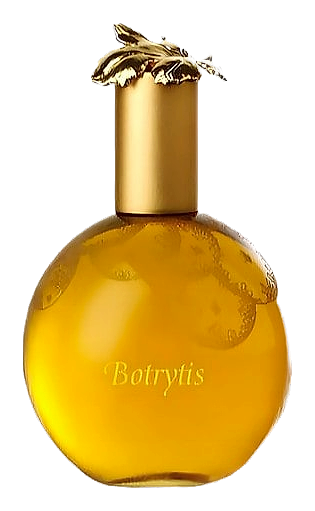
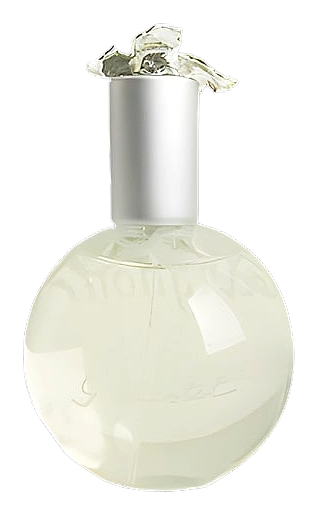
Ginestet built its identity around the belief that wine-producing regions carry aromatic signatures as distinctive as any botanical garden. Sauvignonne, launched in 2008, takes its name directly from the Sauvignon Blanc grape, the variety that defines white Bordeaux. The house didn't want a fragrance that smelled like wine. It wanted one that captured the morning a vineyard breathes before harvest: green stems, dewy fruit, the particular brightness of a grape that hasn't yet decided to become something else. Boxwood, grapefruit, and white peach form the architecture, each note a different hour of that early morning, each layer a different part of the estate waking up.
What makes Sauvignonne interesting is the structural choice: a top accord that reads almost too literally as "green." Boxwood isn't a common fragrance note, it carries a certain vegetal, almost stemmy quality that most perfumers avoid because it's difficult to control. Pairing it with grapefruit (which can skew harsh) and white peach (which can skew generic) is a risk. The house took it anyway. The result is a fragrance that opens with an almost botanical-garden clarity before the woody base grounds it into something wearable. It's not trying to be everything. It's trying to be exactly one thing: a morning in the vines.
The evolution
The opening arrives bright, grapefruit first, sharp and awake, followed by the softer sweetness of white peach. Boxwood announces itself quickly, a green counterweight that keeps the fruit from getting too soft. Within twenty minutes, the grapefruit recedes and the woody accord begins its slow takeover, taking the peach with it. By the hour, you're left with something quieter, the drydown is soft, intimate, close to the skin. It doesn't project. It doesn't linger for hours. On fabric, the drydown holds slightly longer than on skin, a faint green-woody memory that fades evenly rather than collapsing. Sauvignonne is a short story. It knows when to end.
Cultural impact
Sauvignonne occupies a specific corner of niche perfumery: the wine-inspired fragrance that doesn't reach for literalism. Where other houses have attempted to recreate the smell of wine itself, Ginestet chose to capture the atmosphere of the vineyard. The fragrance finds its audience among wearers who understand that Bordeaux isn't just a region, it's a philosophy of patience, terroir, and knowing what you're tasting.